


















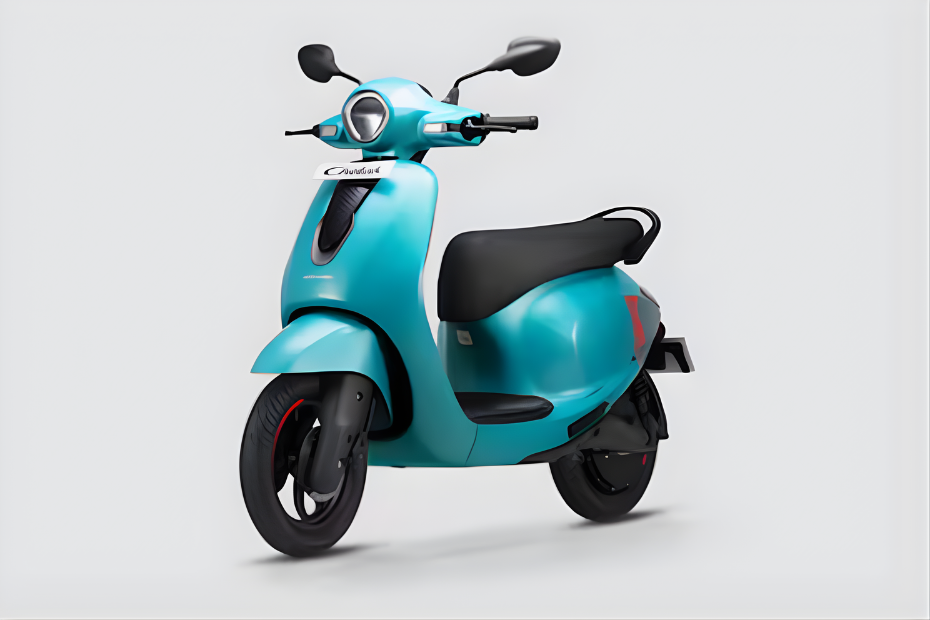
Bajaj Chetak: Classic EV with Solid Build & Smooth Ride
⚠️ Gallery Area is Here!
The layout is working correctly right next to the headline, but no images were found for this post. Check if your ACF fields (gallery_image_1) have images uploaded.
Bajaj Chetak, one of the first electric scooters in India, has been crafted out of the same petrol-powered heritage that made this brand iconic by Bajaj into a modern-day EV playground to tackle urban mobility. Since being brought back to life as an all-electric model, it’s been a hit with commuters in search of retro-look design combined with solid build quality and functional electric performance. With its emphasis on solid metal construction, decent real-world range and daily usability, the Chetak has proven to be a worthy contender in an ever-expanding Indian electric scooter segment.
Bajaj Chetak Price in India
The Bajaj Chetak comes in a wide variety of variants with different battery capacities and performance figures, catering to buyers based on their budget and range factors. Pricing for popular variants on an average ex‑showroom basis (varies slightly by city) is as follows:
- Chetak 3001: Approx. ₹1,02,737
- Chetak 3503: Approx. ₹1,09,922
- Chetak 3502: Approx. ₹1,22,878
- Chetak 3501: Approx. ₹1,34,748
These prices put the Chetak in the more premium section of electric scooters, where it competes with rides like what is possibly its closest rival: the TVS iQube and VIDA VX2. Cost may vary enormously due to city, state subsidies, on‑road charges and current combo offers.
Bajaj Chetak Variants
The Chetak line‑up is structured into four major variants, which differ mainly by battery capacity and range:
- Chetak 3001
- Chetak 3503
- Chetak 3502
- Chetak 3501
Depending on the configuration, each of those values is optimised between range, performance and pricing. Picking a larger capacity battery offers more miles per charge as well as greater top speed, but also at a higher cost.
Engine and Performance
Unlike petrol scooters, the Chetak doesn’t come with an internal combustion engine; it gets an electric motor and a lithium‐ion battery pack instead. Depending on the variant:
- Chetak 3001: Uses a 3 kWh battery, claimed range ~127 km, top speed ~63 km/h
- Chetak 3503: Uses a 3.5 kWh battery, range ~151 km, top speed ~63 km/h
- Chetak 3502: Same battery as 3503, claimed range ~153 km, top speed ~73 km/h
- Chetak 3501: 3.5 kWh battery, peak range ~153 km with top speed ~73 km/h
Different variants offer a range of balances between performance and price, with the bigger battery options offering both better range and higher top speed for those willing to pay more.
The top speed in the entry model is about 63km/h, while the higher battery versions can nudge just over 73km/h, more than enough for city commutes and short hops into suburban neighbourhoods. With the standard onboard charger, 0 to 80% charging times are quoted as taking about 3-3.5 hours.
The relatively higher weight of the scooter compared to smaller petrol scooters is balanced with smooth power delivery and immediate torque delivery, a trait of electric propulsion that makes it feel rather lively in city traffic. Nonetheless, riders must keep in mind that the performance is geared towards city use rather than sustained high‑speed travel on highways.
Mileage and Fuel Efficiency
For EVs, mileage means range per charge. Under ideal conditions, Bajaj claims the Chetak with the larger battery will be capable of ~153km on a single charge. In reality, riders can expect 120–140km on the road per charge depending on style, terrain and weather.
Considering the cost of electricity in India, even conservative daily commuting will be significantly cheaper compared to petrol scooters, a major advantage for urban work commutes. However, riders have said that the range does drop more sharply than anticipated when riding hard, or in stop‑start traffic, so real-world range tends to vary.
Design and Comfort
One of Chetak’s strongest selling points is its full metal unibody design, offering a premium feel that stands out against most plastic‑bodied competitors. The scooter also features consistent panel gaps, quality paint finishes and a classic, retro‑modern silhouette.
Comfort is good overall for short to medium rides around town, courtesy of a well‑padded seat and upright riding position. But some riders observed that the footboards feel cramped, especially if you are tall and under‑seat storage seems a bit less because of the battery occupying the space.
In build quality terms, it’s all generally robust, and plenty of metal construction allows lots of owners to praise the durability and solidity of the device.
Features and Technology
The Chetak is equipped with a whole set of features aimed at the urban EV buyer:
- Digital instrument cluster with smartphone connectivity
- Hill‑hold assist
- Reverse mode for easy parking in tight spots
- Guide‑me‑home lamps
- USB charge port
- Large 35 litre under‑seat storage compartment
These come in handy to make daily commutes easier, better and especially for the ones who care about connectivity and practicality.
Safety Features
Safety on the Chetak is addressed with:
- Front and rear drum or disc braking, paired with a Combined Braking System (CBS) on most variants
- Hill‑hold assist for improved control on inclines
- LED lighting for better visibility
Although CBS is good enough for everyday riding, and some rivals have offered ABS on EV scooters for the right way, including this Chetak, which currently features only CBS feels a bit basic.
Final Verdict
The Bajaj Chetak is still a strong option in India’s electric scooter market, combining heritage, good build quality, decent range and a host of practical features for everyday use. The metal body and premium feel have certainly helped it stand out from the many startup brands, while the matte finish and retro aesthetic continue to appeal to traditional riders moving to EVs.
But potential buyers might want to weigh some real-world issues: range varies significantly depending on riding style, service experiences from certain owners suggest authorities could be sluggish at their dealers, and pricing falls in the premium end of the EV scooter segment.
In short, the Bajaj Chetak is ideal for daily city commuting, eco‑friendly urban riders, and those who value build quality and brand trust. For riders prioritising the maximum range, performance features, or advanced tech, comparing with rivals like Ather, TVS iQube or VIDA VX2 is recommended before the final decision.