













India’s Automotive Future 2026: Big Tata, Nissan & Honda Car
⚠️ Gallery Area is Here!
The layout is working correctly right next to the headline, but no images were found for this post. Check if your ACF fields (gallery_image_1) have images uploaded.
2026 is shaping up to be one of the most exciting years for Tata Motors, Nissan and Honda as they adapt to the rapidly changing Indian automotive landscape. From all‑new models, EVs, tacky classics and strategic facelifts, these three brands will cover everything from entry‑level micro- SUVs to high-end electric workhorses. Whether you’re an EV fan, a family car buyer or just someone who gets off on new design and tech, 2026 is going to deliver something for every type of driver.
Tata: Electrification & Expansion
For Tata Motors, the year 2026 will go down as the one that transformed its product portfolio as well as its brand image in India. Building on the success of its current SUVs and EVs, Tata is not just launching new models; it’s creating entire sub‑brands and segments.
Tata Sierra EV, The Icon Returns (Mid‑2026)
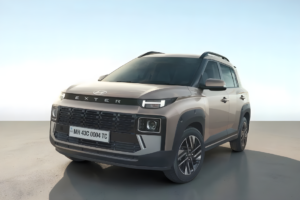
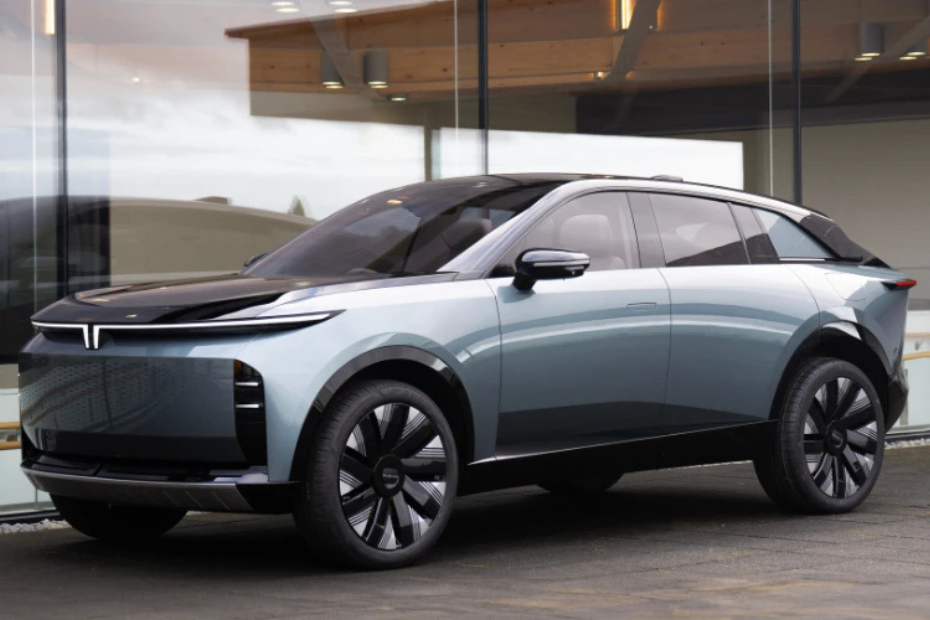
One of the most anticipated launches of the year will be the Tata Sierra EV. A modern reinterpretation of the iconic Sierra nameplate, this electric SUV is expected to arrive by mid‑2026 and will sit above the Curvv EV in Tata’s EV hierarchy. Spy shots and early images suggest a sleek, futuristic exterior with signature design touches, including the famed alpine glass roof, pop‑out door handles, and a grille‑less front end that speaks to its electric roots. Using the same underpinnings and powertrain tech as Tata’s existing EV platforms, the Sierra EV seeks to merge nostalgia with future ability.
With a projected price tag of around ₹20-25 lakh (ex‑showroom), it is expected to be competitively positioned against other premium EVs, making it a strong rival in the mid‑sized electric SUV space.
Tata Punch Facelift & EV Update, Micro‑SUV with a Twist
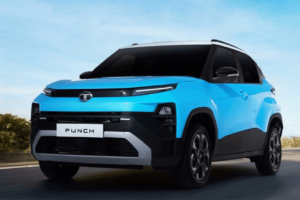
While electric models are grabbing headlines, Tata isn’t forgetting its best‑selling petrol offerings.2026 sees a facelift for India’s popular micro‑SUV, the Punch, which promises smarter styling, better interiors and updated technology. Although the petrol and CNG powertrains remain largely unchanged, bigger infotainment screens, connected car tech, and 360° cameras are expected to bring it well into the modern era.
Alongside the petrol Punch, an EV facelift for the Punch EV will also debut, likely mirroring design updates from its ICE sibling and retaining battery options in the 25–35 kWh range.
Avinya: A New Premium Electric Sub‑Brand
Perhaps the most ambitious part of Tata’s 2026 roadmap is Avinya, a new sub‑brand dedicated to premium electric SUVs. Scheduled for a reveal at the end of the year, the first Avinya model (likely based on the Avinya X concept) will sit above the Harrier EV and mark Tata’s entry into more aspirational EV segments. With an estimated price range of ₹30–60 lakh, the Avinya series aims squarely at buyers looking for premium electric mobility with a luxury feel.
Safari EV & Nexon Facelift: Expanding the Range
Tata’s electrification push doesn’t stop with the Sierra and Avinya. A three‑row Safari EV, borrowing styling cues from the Harrier EV, is also expected in 2026. Positioned as a family‑oriented electric SUV with an optional luxury second‑row package, it could be Tata’s answer to offerings like the XEV 9s and high‑spec Kia Carens EV.
Meanwhile, the hugely successful Tata Nexon will receive a mid‑cycle facelift, with design tweaks inside and out to keep it competitive.
Nissan: Bold Moves with MPVs & SUVs
As Tata looks to fill the electrification and premium gap, Nissan is getting ready for a renewed assault on India with an extensive portfolio consisting of family sedans along with rugged SUV options.
Nissan Gravite: MPV for the Masses
Kicking off Nissan’s 2026 offerings will be the Gravite, a compact 7‑seater MPV that borrows heavily from the Renault Triber platform. With a similar 5+2 seating layout, familiar powertrain options (including a 1.0‑litre petrol with manual and AMT), and an expected price range close to ₹6–9 lakh, Gravite is designed to be a practical and value‑driven choice for families.
Set to be built on India’s CMF‑A+ platform and launch in late FY26, the Gravite wraps flexible cabin space, efficient engines and modern tech features into an affordable package, all critical details for a segment that cares more about practicality than anything else.
Nissan Tekton: Mid‑Size SUV Challenger
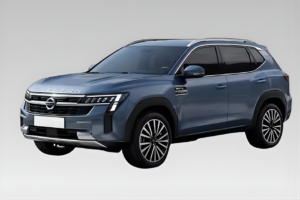
Later in 2026, Nissan will unleash the Tekton SUV, a bold new contender in the midsize SUV market. Featuring square, muscular lines, chunky headlamps and a confident stance in design sketches, the Tekton will rival cars such as the Renault Duster, Hyundai Creta, Kia Seltos and Honda Elevate.
Inside, expect dual screens, connected car tech, and advanced safety features such as Level‑2 ADAS, a notable step up for Nissan in terms of features. The Tekton will initially launch with a turbo‑petrol engine, with a hybrid variant expected later in its lifecycle.
With an estimated price range of ₹11–18 lakh, this SUV could be Nissan’s most competitive product in India in years, blending everyday practicality with SUV appeal and tech‑forward cabin experiences.
Honda: Refresh Rather than Reinvent
Compared to Tata and Nissan, Honda’s 2026 strategy is more conservative but still meaningful. Rather than flooding the market with all‑new models, Honda is focusing on updating its existing range while laying groundwork for future launches.
Honda City Facelift: Refined & Modern
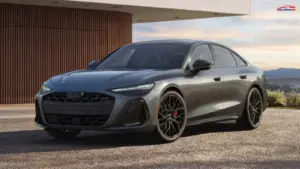
One of the key highlights of Honda’s 2026 lineup will be the facelifted Honda City, India’s long‑time favourite midsize sedan. Expect updated front and rear styling, bigger infotainment screens, and improved ADAS (Advanced Driver Assistance Systems) tech to feature as part of the update.
Although major mechanical changes are unlikely, these refinements should help the City stay relevant against refreshed rivals and maintain its strong retail performance.
Honda’s Broader Plan: Prelude & More
While 2026 isn’t slated for major new product debuts from Honda in India, the brand has hinted at larger plans, including potentially introducing niche models like the Honda Prelude (a sporty coupe) and new SUVs like the ZR‑V in the latter part of the year or early 2027. More ambitious entries into hybrid and electric offerings are expected to gain traction in the years following 2026.
What This Means for Buyers
2026 promises a fascinating mix of electrification, revitalised classics, fresh technology, and broader choice for Indian car buyers:
- Families will appreciate MPVs like the Nissan Gravite and three‑row SUVs like the upcoming Safari EV.
- EV enthusiasts will have more premium choices with Tata’s Sierra EV and Avinya brand lineup.
- Everyday SUV buyers will benefit from updated Punch and Nexon variants, plus potential newcomers like the Nissan Tekton and Honda updates.
In short, 2026 will be a year where the boundaries between performance, practicality, electrification, and tech‑rich experiences continue to blur, delivering more value and choice than ever before.