


















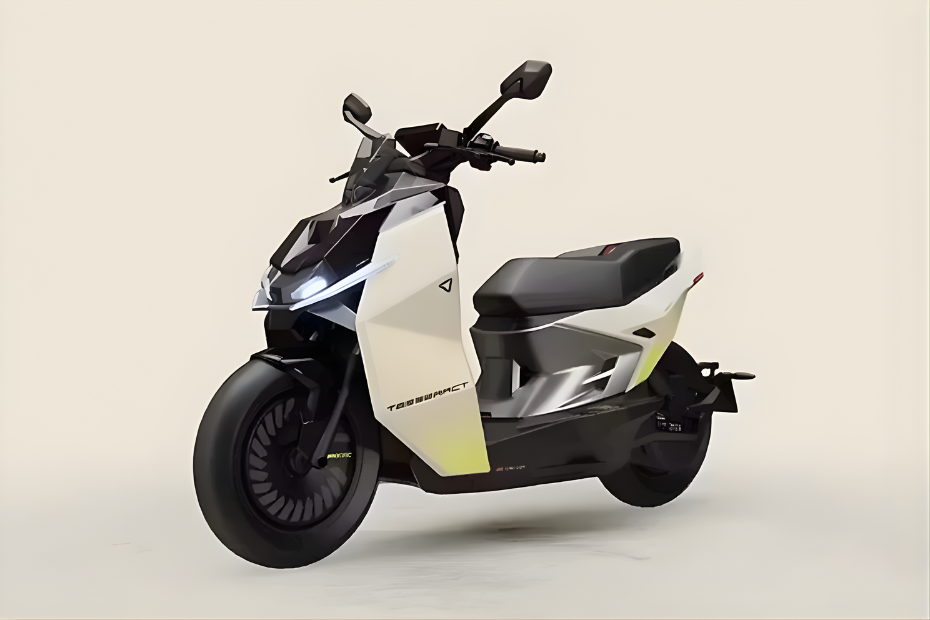
Ultraviolette Tesseract: A Powerful New Electric Scooter
⚠️ Gallery Area is Here!
The layout is working correctly right next to the headline, but no images were found for this post. Check if your ACF fields (gallery_image_1) have images uploaded.
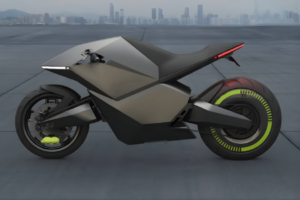
The Ultraviolette Tesseract is a big leap in India’s electric two‑wheeler scenario and the country’s move into high‑performance tech‑rich electric scooters. More than just a commuter vehicle, positioned as a premium lifestyle product, the Tesseract is a perfect mesh of next-gen innovation with daring design and class‑leading performance. Styled alongside the Ultraviolette Shockwave and launched in March 2025, which is tipped to be “the world’s most advanced scooter,” according to the brand. With a mix of radar-based safety systems along with long range and fast acceleration, it is different from the commuter EVs that dominate the market.
Ultraviolette Tesseract Price in India
One of the biggest talking points is pricing for Ultraviolette Tesseract. The company stated an introductory ex‑showroom price of ₹1.20 lakh at launch for the first customers, effectively reducing the entry number for such a tech-loaded maxi‑scooter. The ex‑showroom price normalises to about ₹1.45 lakh after the introductory offer period. On-road costs can vary for various cities, and usually look higher due to taxes and registrations.
While other online listings list OTRs that are even higher based on variant, this relatively aggressive pricing has created significant interest in the Tesseract, reportedly racking up tens of thousands of pre-bookings shortly after its launch. Delivery dates were aimed for Q1 of 2026, although various online shopper communities indicate protraction with variant selection and delivery rollout into 2026/2027
Ultraviolette Tesseract Variants
Ultraviolette has launched the Tesseract in three battery options that differ primarily when it comes to their battery capacities and thus, range figures:
- Tesseract 3.5 kWh: Base variant with a 162 km IDC‑certified range
- Tesseract 5 kWh: Mid‑range variant with roughly 220 km of range
- Tesseract 6 kWh: Top variant boasting up to 261 km range on a single charge
This tiered approach lets buyers choose based on range needs and budget, with higher‑capacity variants commanding a premium price. The launch did not fully disclose on‑road prices for the 5kWh and 6kWh variants, but estimates currently put them upwards of the base model.
Engine and Performance
The Tesseract is powered by a potent electric motor producing 20.1bhp (≈14.9kW), giving it very strong acceleration numbers, including a claimed 0–60km/h time of just 2.9 seconds. That performance brings it closer to sport‑bike dynamics than those of a typical scooter. Top speed is rated at 125km/h, a number you never see in this segment, and that will inspire spirited highway rides as well as commuter duties.
The range figures across variants, up to 261 km, are among the best in class and address one of the biggest concerns for EV buyers: range anxiety. Tesseract also supports reasonably fast charging speeds with the appropriate fast charger infrastructure, typically achieving a 20–80 % charge in under 30 minutes on suitable chargers.
Mileage and Fuel Efficiency
While traditional mileage doesn’t apply to electric vehicles, the Tesseract’s efficiency can be gauged in terms of distance per charge and cost per kilometre. With its top‑tier battery, the scooter’s 261km range under IDC certification for the scooter is commendable, translating into a realistic daily usability that would give several petrol scooters a run for their money in terms of distance covered per charging cycle. Charging costs are a fraction of fossil fuel costs, often as low as a few rupees per km, depending on electricity tariffs and charger type.
Design and Comfort
The Tesseract’s design language borrows heavily from the future, with aero shapes throughout. The bike’s bulky body panels, several sharp angles and a muscular stance help it sport a distinctive look that helps it stand out from the generic scooter crowd. The LED projector headlamps on the front get floating daytime running lights (DRLs) that give it a distinct feel, along with 14‑inch wheels for sporty proportions and a planted stance.
The seat is roomy, and the ergonomics are upright, while under‑seat storage (approximately 34litres) will accommodate a full‑face helmet. The true comfort in the real world will be evident only once it starts seeing extensive deliveries and long-term user reviews.
Features and Technology
This is where the Tesseract really shines. Ultraviolette has loaded it with a host of advanced tech features, some of which are segment firsts in the Indian EV market:
- Twin radar units for blind‑spot detection, collision warnings, and overtake alerts
- Front and rear cameras (dashcam functionality)
- 7‑inch TFT touchscreen with smartphone integration and navigation
- Wireless phone charging and keyless access
- Cruise control, park assist, hill hold, traction control
- Dynamic stability control and dual‑channel ABS for safety
- Violette AI connectivity suite for enhanced intelligence and data analytics
Such extensive tech is rarely offered even on premium motorcycles, and positions the Tesseract as not just a vehicle but a connected, intelligent mobility platform.
Safety Features
Safety on the Tesseract has been a core focus. Dual disc brakes paired with dual‑channel ABS provide strong stopping power, while traction control and dynamic stability algorithms enhance ride confidence, especially under varied road conditions. The advanced radar system extends safety beyond braking, offering proactive alerts for vehicle cross traffic.
Additional features like low-speed hill hold and park assist enhance low‑speed control and user-friendliness, thereby making the scooter safer in both urban and hilly terrain.
Final Verdict
The Ultraviolette Tesseract looks set to raise the bar for electric scooters in India, with eye-catching performance, long-range real‑world range and tech like rarely seen on these machines. In doing so, it threatens to turn the traditional view of an EV as a commuter beater on its head and deliver a more premium aspirational buy.
Its success will depend on real‑world deliveries, service network preparedness and feature execution in production units, areas that EV startups have historically had difficulties with. Community chatter mentions some delivery delays and communication gaps that prospective buyers may want to consider in their decision timeline.
Aimed at enthusiasts and tech‑forward riders for whom innovation and performance in a two-wheeler package take precedence over everything else, the Tesseract could be an exciting prospect that paves the way forward for electric two‑wheelers in India.