



















Exciting Upcoming Sedan Facelifts to Watch in 2026
⚠️ Gallery Area is Here!
The layout is working correctly right next to the headline, but no images were found for this post. Check if your ACF fields (gallery_image_1) have images uploaded.
While the Indian car market is largely dominated by SUVs, the sedan segment is slowly making a comeback. In 2026, several popular midsize sedans are expected to receive updates that will keep them competitive in a market increasingly filled with SUVs and crossovers.
The Hyundai Verna, Honda City, Skoda Slavia and Volkswagen Virtus are among the most popular models in this segment and will all receive facelifts around 2026. These updates will centre on refreshed styling, new technology features, and minor mechanical revisions, while maintaining the core strengths of these sedans.
Here’s a detailed look at what we can expect from these upcoming midsize sedan updates.
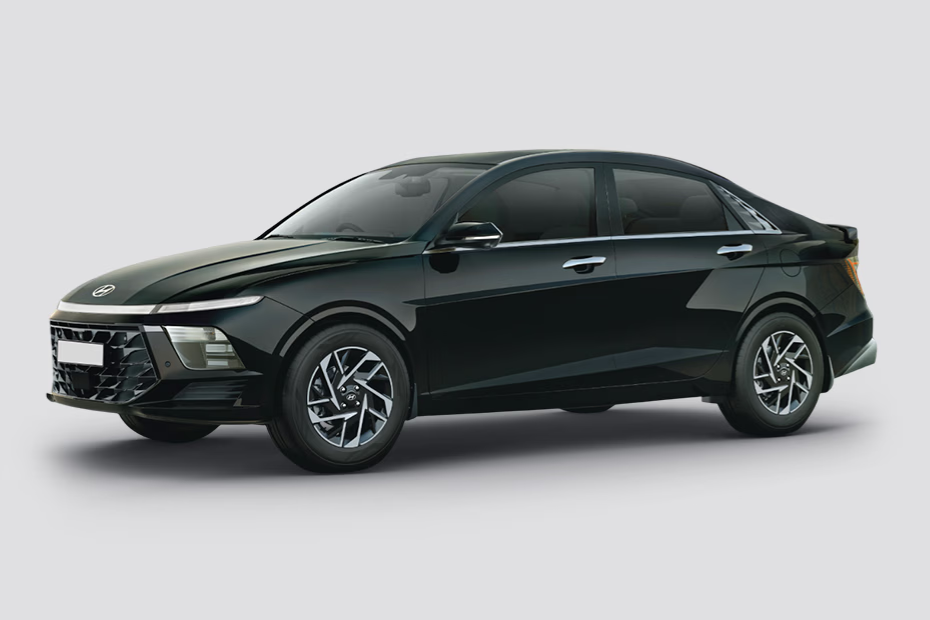
Hyundai Verna Facelift
The current-gen Hyundai Verna has received positive feedback upon launch for its aggressive design, powerful turbo-petrol powertrain and feature-loaded interior. Hyundai is now working on a mid-cycle update for the sedan, which will arrive in the first half of 2026.
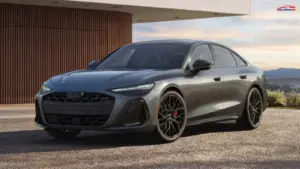
Up front, the revised Verna will likely borrow its design cues from the global Hyundai Sonata. These will likely involve subtle changes to the front fascia as well as new alloy wheels that should make the sedan look a bit newer and more premium. The lighting elements and bumpers may also see some tweaks by Hyundai to set the front against its pre-facelift sibling.
The interior of the facelifted Verna is likely to receive several updates. The interior could adopt elements from the Hyundai Venue, including the brand’s modern dual 12.3-inch display setup that combines the digital instrument cluster and infotainment system. New seat colour schemes and a redesigned three-spoke steering wheel will make their way to the cabin in an effort to modernise it.
Under the hood, Hyundai is likely to continue offering its engine line-up, which the Verna comes with now. These consist of a 1.5-litre naturally aspirated petrol engine that is rated for close to 115hp and a more potent 1.5-litre turbo-petrol machine developing about 160hp. Both engines will still be available with a 6-speed manual transmission. The naturally aspirated petrol will also get a CVT, while the turbo-petrol variant will continue to offer a 7-speed dual-clutch automatic gearbox.
Interestingly, Hyundai may introduce a hybrid powertrain later in the lifecycle of the facelifted Verna. A 1.5-litre petrol-hybrid system could join the lineup as part of the company’s broader strategy to bring multiple hybrid models to the Indian market in the coming years.
Honda City Facelift
One more update, which is highly awaited, will be for the Honda City. The mainstay midsize sedan is due for its second facelift of the current generation sometime in 2026’s second half.
Exterior changes, however, will likely be subtle rather than dramatic. Honda could update the front grille, bumpers and lighting elements to match something similar to the global Honda Civic sedan’s styling language. These tweaks will help keep the City looking fresh without changing its familiar, elegant face.
Inside the cabin, the overall layout is expected to remain largely unchanged. However, Honda could introduce new trim options along with new upholstery materials and colour combinations to make the sedan feel premium. As far as features are concerned, the City is already well kitted out on the inside, so significant upgrades may be off the cards. That said, one feature that may make an appearance is a 360-degree camera system for added parking convenience and increased tech-savvy appeal of the sedan.
Powertrain options are likely to be carried over from the current model. The standard variant will continue to sport a 1.5-litre naturally aspirated petrol motor that makes 121hp and 145Nm of torque. Buyers will have a choice between a 6-speed manual gearbox or a CVT automatic transmission.
Honda will also retain the hybrid option, called Honda City e, which uses a 1.5-litre petrol engine with an electric motor for a total output of approximately 126hp. The setup is mated to an e-CVT gearbox and offers impressive mileage. This could very well be the last update for the current generation City ahead of an all-new version Honda should introduce around 2028.
Skoda Slavia Facelift
The Skoda Slavia is also expected to receive a facelift before the end of 2026. Test mules of the updated sedan have already been spotted on Indian roads, indicating that development is underway.
The exterior changes will mostly consist of subtle tweaks to the headlamps, tail lamps, front grille and bumpers. Expect to see new alloy wheel designs as part of the facelift, too. The changes are not massive, but they should help give Slavia a modern and fresh look. In the cabin, Skoda could offer updated interior trims with new colour themes. The infotainment system and digital instrument cluster are also set to get updated displays, making visuals and usability better.
ADAS is also set to be the prominent update in the Slavia facelift. Also in the mix will be a Level 2 ADAS suite, which would bundle features such as adaptive cruise control, lane keeping assist and autonomous emergency braking for the sedan.
Mechanically, the Slavia is likely to carry over its current engine range. That is a 1.0-litre turbo-petrol that makes 115hp and a more potent 1.5-litre turbo-petrol making 150hp. Both engines will remain on offer with a 6-speed manual gearbox. Here is the 1.5-litre engine will also continue with the 7-speed dual-clutch automatic transmission. The 1.0-litre version is set to provide a new, eight-speed torque-converter automatic for better performance and efficiency over the current 6-speed version.
Volkswagen Virtus Facelift
Around the same time, we expect a facelift for the Volkswagen Virtus as well, which shares its powertrains and platform with the Slavia. The changes on the Virtus will also be evolutionary, just like those on the Slavia. The facelift will likely bring a few changes to the front and rear design, further updates for bumpers and a fresh set of alloys.
Potential interior updates for the sedan may be new trim options, as well as revised displays for the infotainment system and digital instrument cluster. The feature list could also be expanded to include ADAS functions on par with the Slavia facelift.
The powertrain lineup is expected to remain mostly the same. The Virtus will share its 1.0-litre and 1.5-litre turbo-petrol engines, currently also available on the lineup. Manual gearboxes, as well as the 7-speed dual-clutch automatic, will be offered with the more powerful engine. Similar to the Slavia, the Virtus will likely get an updated 8-speed torque-converter automatic gearbox in place of the old 6-speed unit for the 1.0-litre engine.
What These Sedan Updates Mean for Buyers
Coming to the year 2026, India could see some revival in the midsize sedan segment. Keen to maintain a foothold in the SUV-dominated market, these upcoming facelifts will bring updated styling, better tech and perhaps hybrid powertrains as well as advanced driver assistance features.
Models like the Hyundai Verna, Honda City, Skoda Slavia and Volkswagen Virtus already provide sporty driving dynamics, content-filled cabins and premium features. With their 2026 updates, they’re likely to prove even more tempting to buyers who still value the comfort, efficiency and driving pleasure a well-executed sedan can provide.