

















Among all the 300 cc supersport motorcycles available in the Indian market today, the Yamaha R3 is definitely one of the most interesting options. The R3 is a fully fairing-equipped parallel twin that offers a perfect balance between beginner-friendly learning and actual sport bike performance.
Placed in the category of entry-level sport bikes within the R-Series product range by Yamaha, the R3 incorporates a MotoGP legacy, as well as features some elements of design of the brand’s factory racing model, the YZR-M1. It is designed for those riders who wish to have something more than just an ordinary scooter but are not yet ready to move on to the litre-class sports bikes.
No matter if you are a college rider looking for something with an edge on the roads, a track day rider operating under limited means, or somebody who is upgrading from a 150cc single, the Yamaha R3 can convince you into buying this motorcycle as a way of making the transition to owning a real sports bike.
Yamaha R3 Price in India
The cost of the Yamaha R3 in India is currently ₹3.39 lakh (ex-showroom, Delhi), following a significant price reduction in its prices in October 2025, following the announcement by the government of bringing the rate of GST from 28% to 18% on motorcycles under the 350cc capacity mark.
This has made the motorcycle quite affordable since the on-road cost has come down significantly. As the on-road prices are bound to vary depending on states for road taxes and registration, you may have to spend around ₹30,000-₹50,000 on top of the ex-showroom cost, based on your city of purchase.
Yamaha R3 Variants
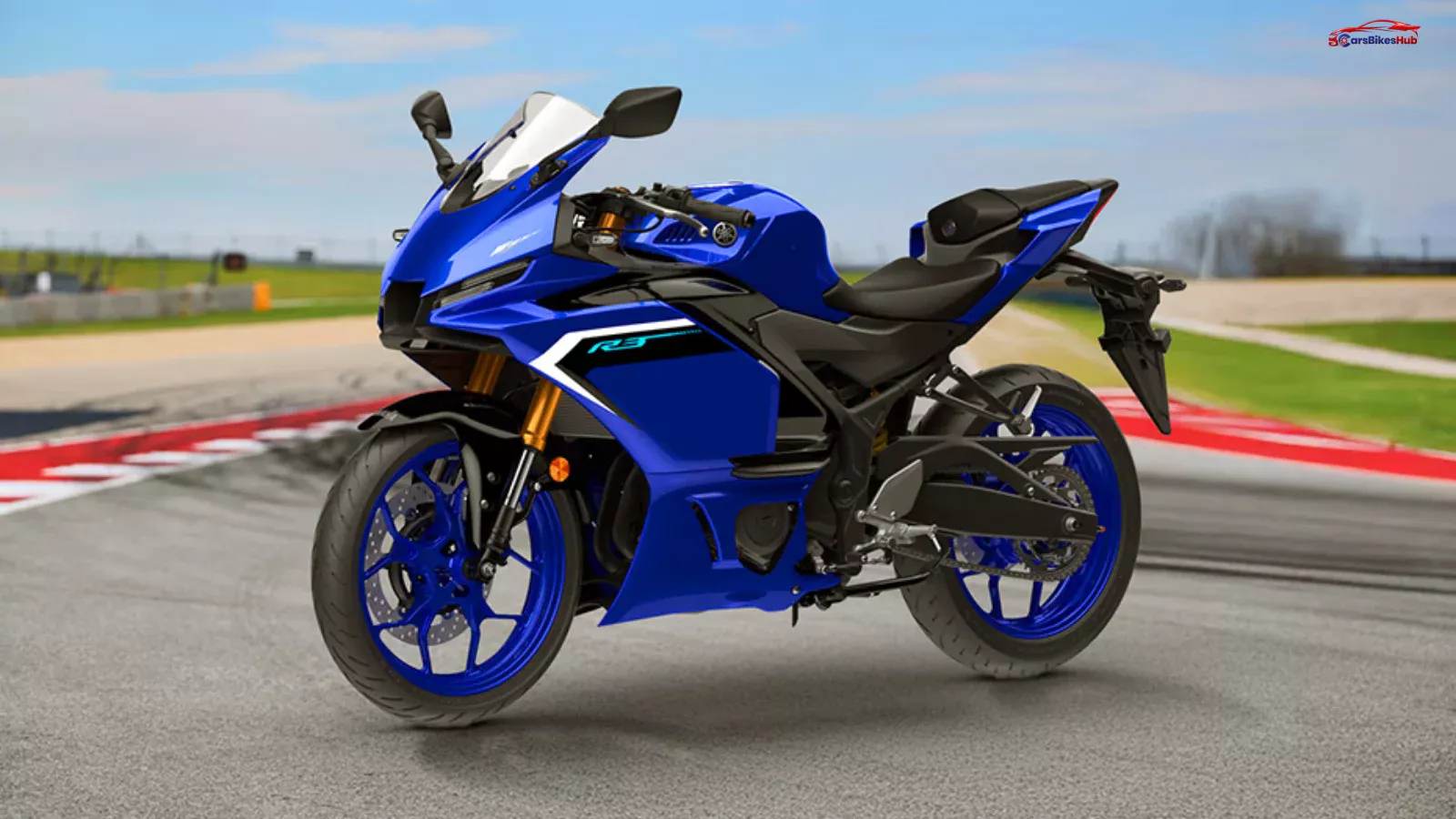
The Yamaha R3 is available in a single variant in India, imported as a CBU (Completely Built Unit). There are no trim levels or feature-split versions to choose from; you get the full package straight out of the box. The only choice riders need to make is the colour, with Icon Blue currently being the offered shade in the Indian market.
With this approach, everything remains simple and makes sure every purchaser receives all the specifications offered in the bike, including ABS, slipper clutch, and digital instrument console, without paying an additional cost.
Engine & Performance
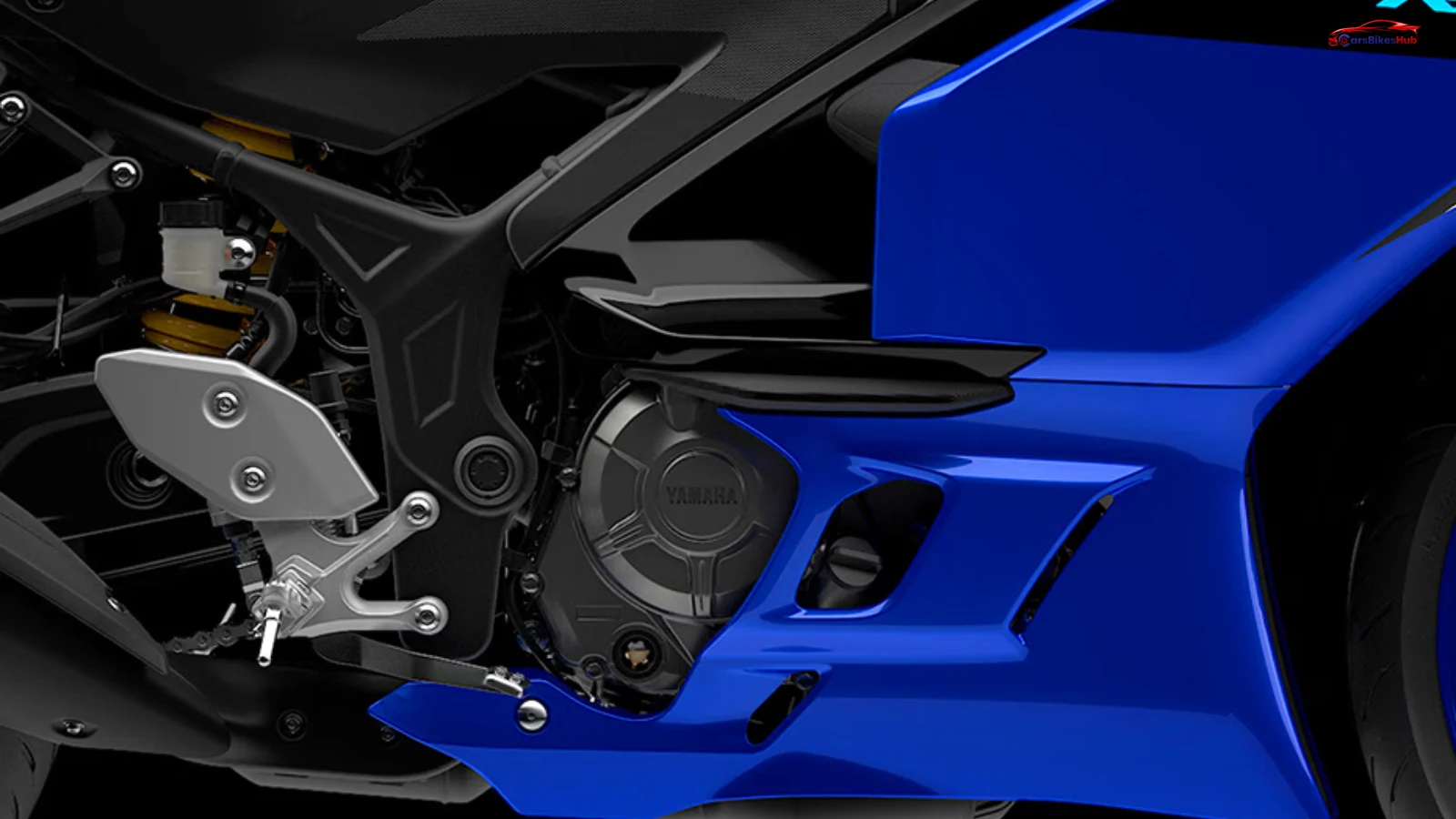
Yamaha has used a 321cc, liquid-cooled, DOHC, 4-valve, parallel-twin engine with fuel injection in their R3 model. This powerful machine offers 41.42 bhp (30.9 kW) of power at 10,750 rpm and torque of 29.5 Nm at 9,000 rpm. It is known to be one of the best engines with regard to being free-revving in its category.
With the parallel-twin cylinder arrangement and the crankshafts at 180 degrees to each other, the power output becomes linear in nature and starts building up gradually with an increase in revs. Unlike a single-cylinder bike that punches hard low in the rev range, the R3 rewards riders who keep the engine spinning between 7,000 and 11,000 rpm, which is where the real excitement happens.
In the real world, the R3 pulls confidently from city speeds and transforms into a genuinely thrilling machine on open roads and expressways. The 0-100 kmph sprint comes in around 6 seconds, and the top speed is in the region of 180-188 kmph under ideal conditions.
The 6-speed gearbox has short, positive throws and pairs well with the new assist and slipper clutch, which prevents rear wheel hop during aggressive downshifts and makes the riding experience noticeably smoother. The engine note, a crisp, mechanical twin-cylinder howl, is one of the most satisfying sounds in the segment.
Mileage & Fuel Efficiency
The Yamaha R3’s ARAI-claimed mileage is 35 kmpl, though real-world figures tend to vary. Most owners report between 25 and 28 kmpl depending on riding style, traffic conditions, and how aggressively the bike is ridden. Given the 321cc twin-cylinder setup and the R3’s natural inclination to be ridden hard, this is a reasonable number.
With a 14-litre fuel tank, you can expect a real-world range of approximately 350–390 km before needing to refuel, which is more than adequate for weekend highway runs and daily city commutes alike. Riders who keep the throttle in check in city traffic have reported figures closer to 30 kmpl, which is respectable for a fully-faired twin-cylinder sportbike.
Design & Comfort
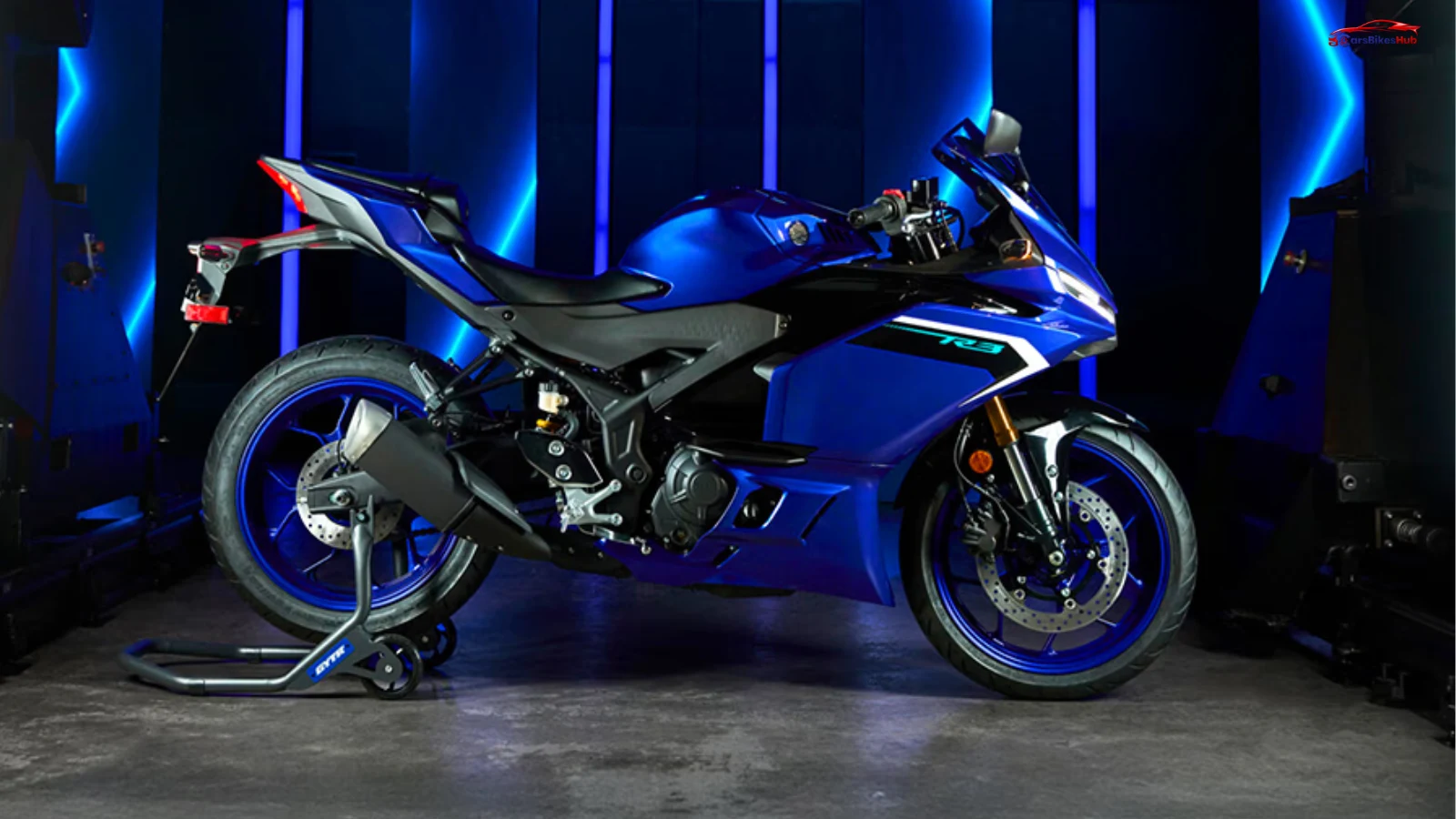
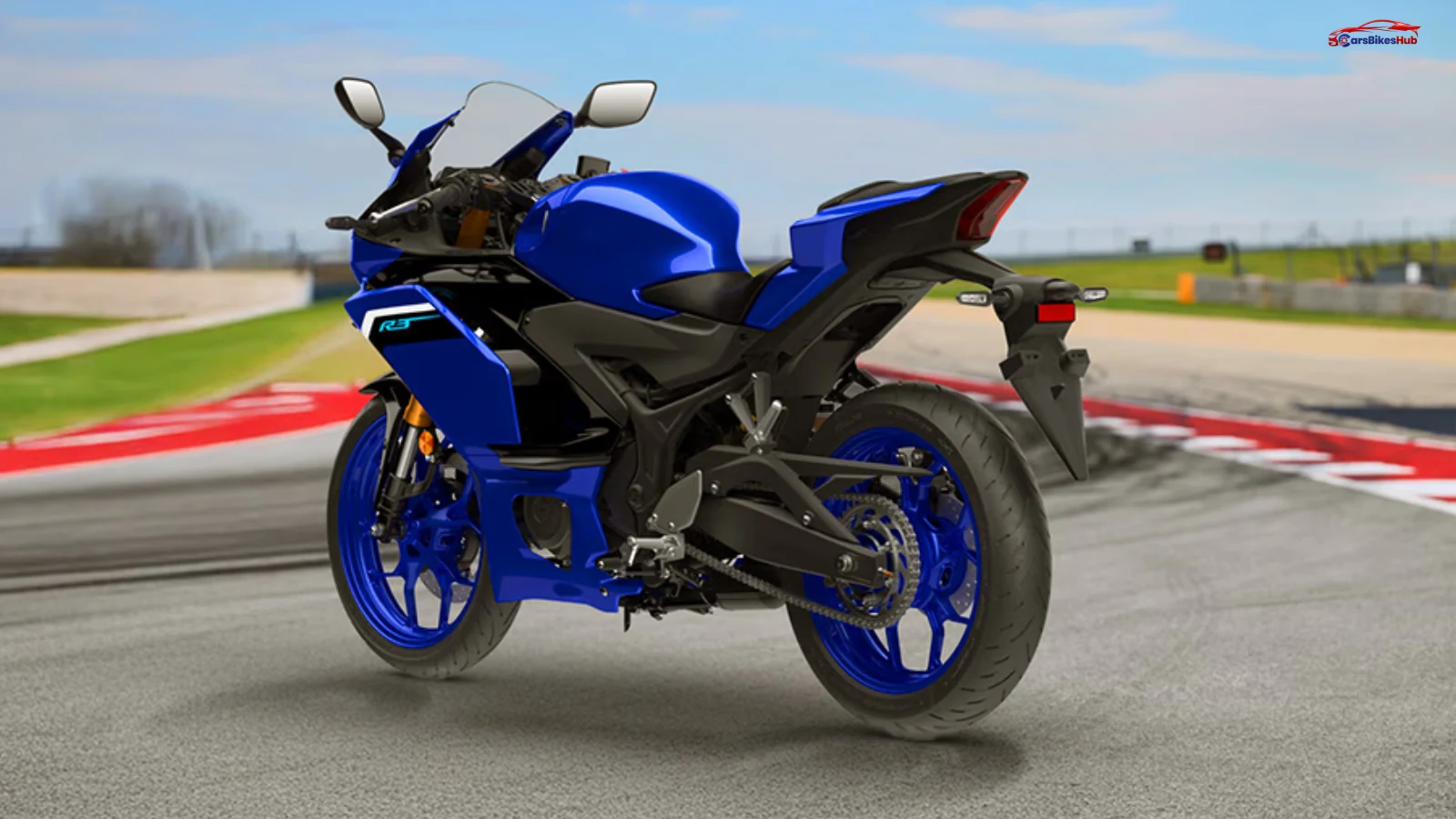
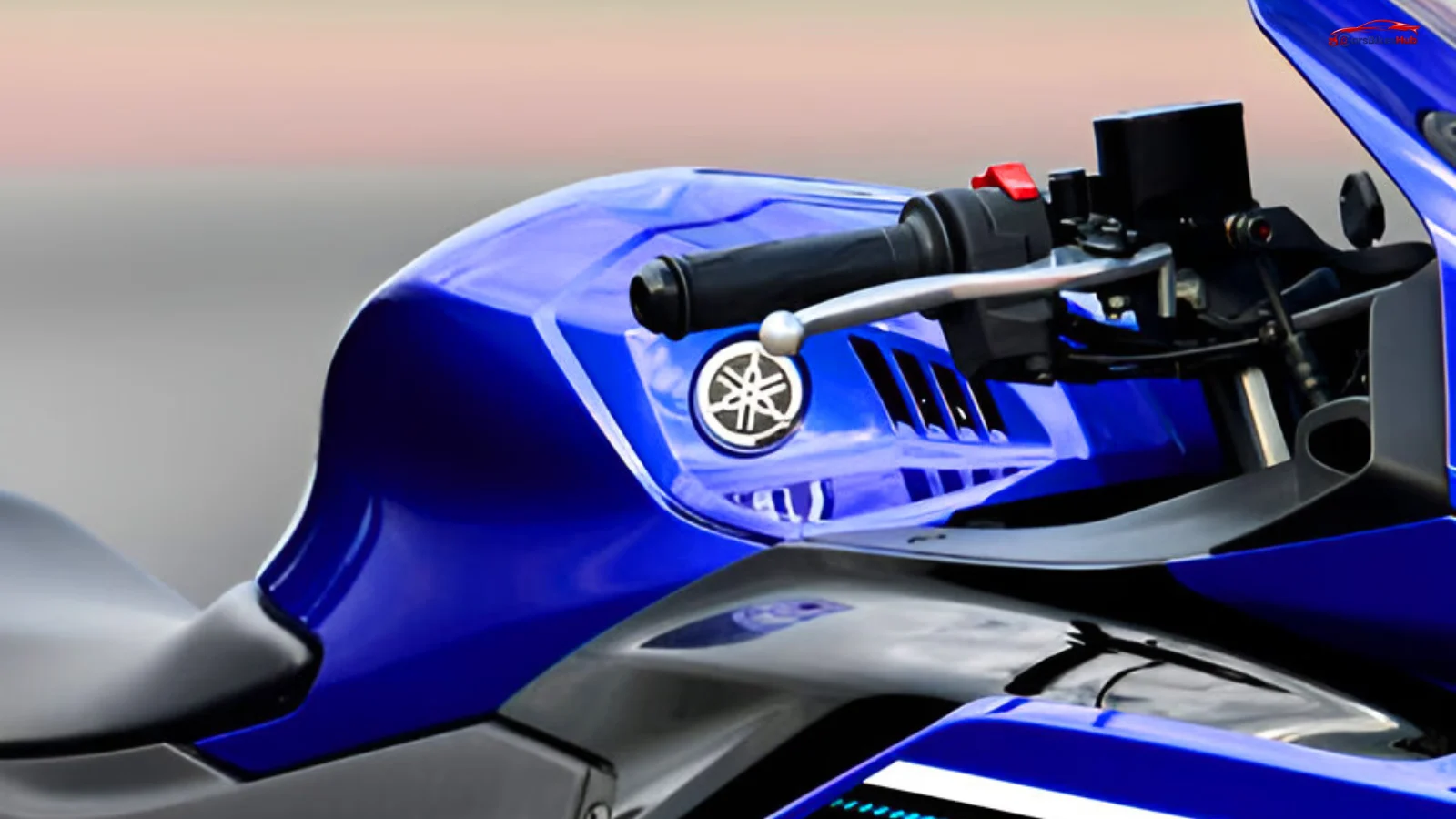
The Yamaha R3 has always been a handsome machine, and the latest iteration takes the styling language up a significant notch. It has an aggressive front cowl designed after the YZR-M1 MotoGP motorcycle from Yamaha, which has a projector-style LED light with fang-shaped LED daytime running lights on either side that create an aggressive look to the bike. The side panels are sleeker, the tail section has been reworked with a signature tail wing, and the overall silhouette is more purposeful and race-ready than its predecessors.
In terms of ergonomics, the R3 takes a slightly committed sportbike stance without being punishing. The 780 mm seat height is approachable for most average-height Indian riders, and the clip-on handlebars place the rider in a mild forward lean rather than an extreme crouch.
The split seat design is thoughtfully shaped; the front seat is narrower to help riders get their feet down better. Pillion accommodation is adequate for short rides. At 169 kg kerb weight, the R3 is agile and easy to manoeuvre in tight city traffic. Ground clearance stands at 160 mm, which is sufficient for most Indian road conditions.
Features & Technology
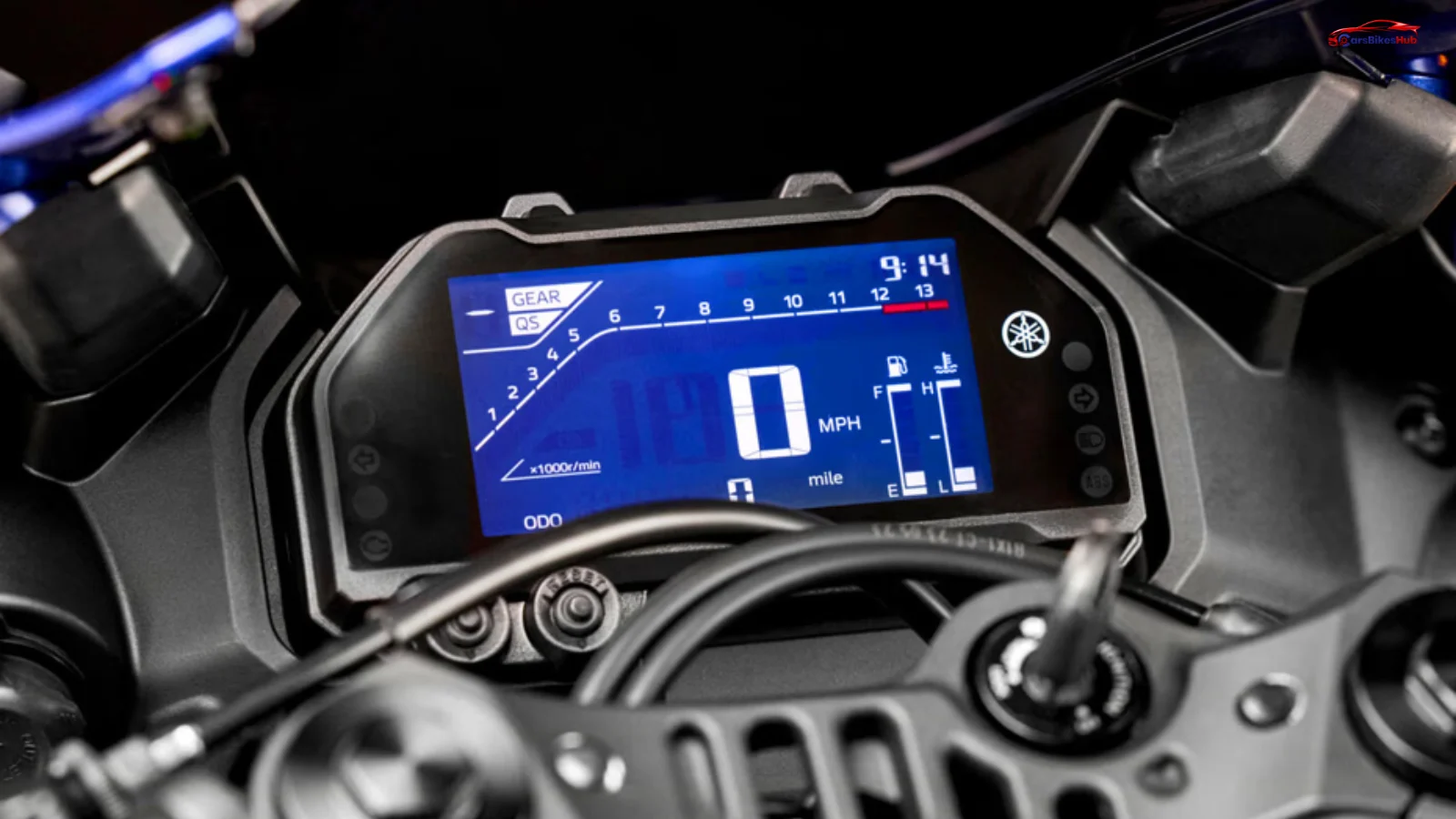
Despite being a CBU import, the Yamaha R3 does not skimp on features. The bike gets a fully digital LCD instrument cluster that displays speed, RPM, gear position, fuel level, trip meters, and more. The console is compatible with the Yamaha Y-Connect app via Bluetooth, allowing riders to receive phone calls and message notifications directly on the screen, a useful touch for daily riders. All lighting is full LED, including the indicators, headlight, and tail lamp.
The assist and slipper clutch is standard, reducing lever effort in city traffic while preventing wheel lock-up during aggressive downshifts. An optional up-only quickshifter is available as an accessory for those who want even sharper gear changes on the track or highway. A USB-A charging port is also part of the package, ensuring your devices stay topped up on long rides.
Safety Features
The R3 comes equipped with dual-channel ABS (Anti-lock Braking System) as standard, a critical safety feature for a bike that is capable of high speeds. Braking hardware consists of a 298 mm single disc up front with a hydraulic calliper and a 220 mm disc at the rear, offering strong, progressive stopping power. The suspension setup comprises 41 mm inverted telescopic USD (upside-down) forks up front, a premium fitment that improves handling precision and reduces unsprung weight, with 130 mm of travel, and a preload-adjustable monocross monoshock at the rear with 124 mm of travel.
Tyre duty is handled by Dunlop Sportmax GPR-300 rubber on both ends, fitted on 17-inch 10-spoke alloy wheels 110/70 R17 front and 140/70 R17 rear. These are proper sport-grade tyres that complement the R3’s performance character. A side stand indicator and engine kill switch round out the safety-oriented feature list.
Final Verdict
The Yamaha R3 is one of those rare motorcycles that genuinely delivers on its promises. It performs like a proper sportbike, looks every inch the part, and has enough everyday usability to justify being your primary ride. The 321cc parallel-twin is smooth, willing, and incredibly satisfying to wring out, while features like the slipper clutch, USD forks, and Dunlop sport tyres ensure the riding experience feels premium and well-sorted at every level. With the October 2025 GST-driven price correction bringing it down to ₹3.39 lakh (ex-showroom), the R3 now sits in a far more competitive price bracket than before.
From a design and practicality standpoint, the R3 strikes a strong balance. It is aggressive enough to turn heads and light enough at 169 kg to be nimble in city traffic, yet the ergonomics are approachable enough for newer riders to build confidence over time. The 14-litre tank, real-world range of around 380 km, and Yamaha Y-Connect compatibility make it a sensible choice even for riders who cover meaningful daily distances. The addition of all-LED lighting, a USB charging port, and Bluetooth connectivity in a fully-faired motorcycle at this price point is genuinely impressive.
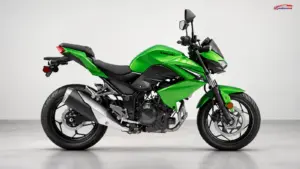
In terms of market positioning, the Yamaha R3 competes directly with the Kawasaki Ninja 300 and sits a step above single-cylinder sport bikes. It offers a more accessible entry point into twin-cylinder sportbike ownership compared to larger-displacement alternatives, and Yamaha’s strong dealership network and service infrastructure across India add meaningful ownership confidence. For riders seeking real performance, MotoGP-inspired design, and a well-rounded feature set without crossing into the ₹5-6 lakh range, the R3 is arguably the most well-rounded choice available in India today.
FAQs
What is the ex-showroom price of the Yamaha R3 in India?
The Yamaha R3 is currently priced at ₹3.39 lakh (ex-showroom, Delhi) following the GST revision in October 2025 that reduced taxes on sub-350cc bikes. On-road prices will be higher depending on your state.
What engine does the Yamaha R3 use?
The R3 is powered by a 321cc, liquid-cooled, DOHC, parallel-twin engine with fuel injection. It produces 41.42 bhp at 10,750 rpm and 29.5 Nm of torque at 9,000 rpm, paired with a 6-speed gearbox and assist and slipper clutch.
What is the real-world mileage of the Yamaha R3?
While the ARAI-claimed mileage is 35 kmpl, most owners report a real-world average of 25-28 kmpl depending on riding style. The 14-litre fuel tank provides a practical range of around 350-390 km per fill.
Does the Yamaha R3 get ABS?
Yes, the Yamaha R3 comes equipped with dual-channel ABS as standard, along with USD front forks, a rear monoshock, and Dunlop Sportmax GPR-300 tyres on both wheels for confident braking and handling.
How does the Yamaha R3 compare to the Kawasaki Ninja 300?
The Yamaha R3 has a slight displacement advantage (321cc vs 296cc), more power, USD forks, and newer technology, including Bluetooth connectivity and a slipper clutch. The Ninja 300 is slightly more affordable, but the R3's updated pricing post-GST revision has significantly closed that gap, making the R3 the stronger value proposition currently.