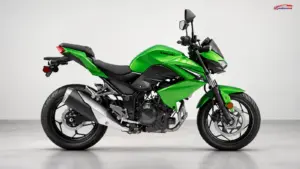






















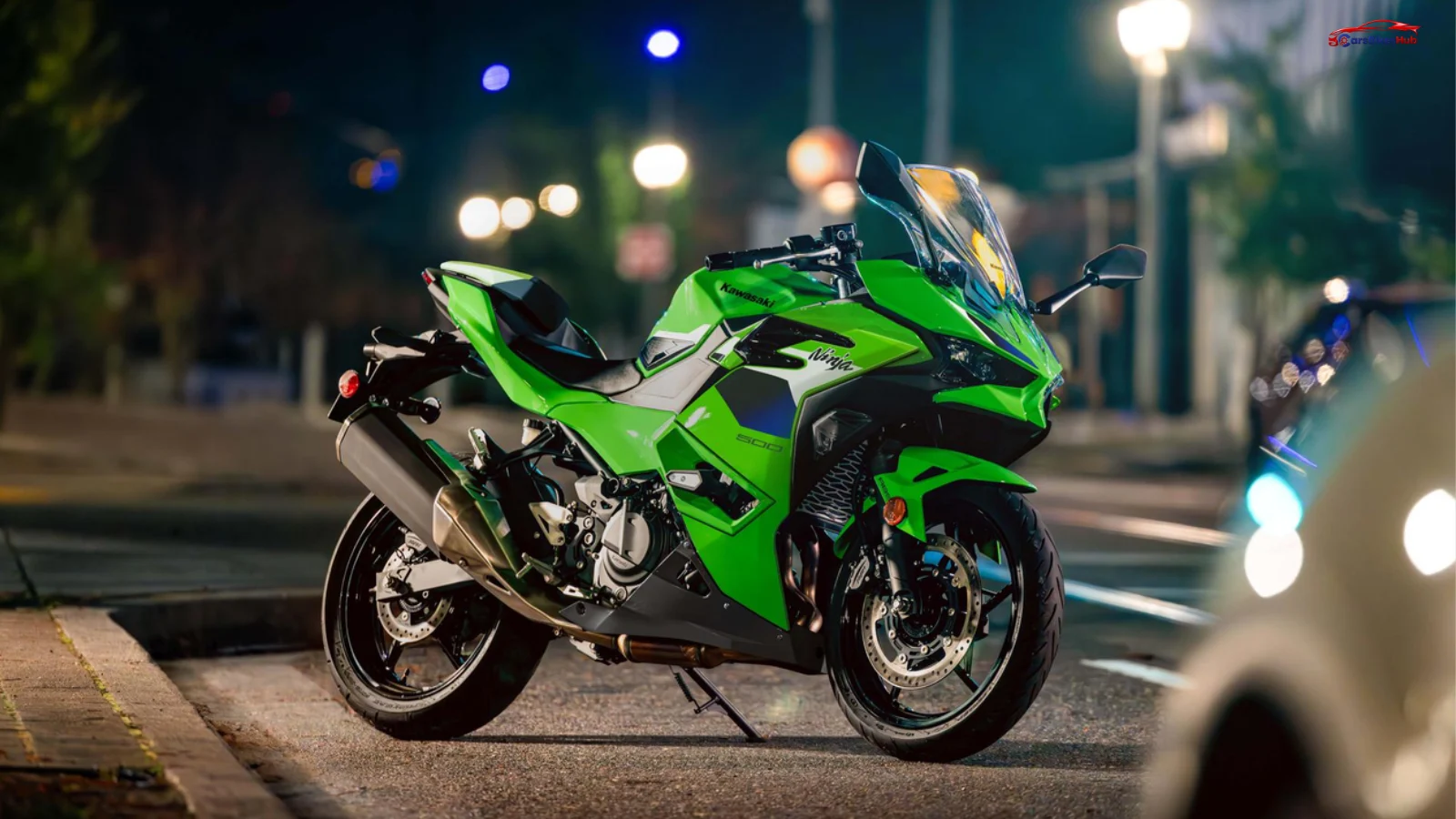
Kawasaki has subtly made some modifications to its mid-size sportbike for the upcoming year. With its arrival, the 2026 Kawasaki Ninja 500 brings two significant updates to India, namely E20 fuel compatibility and a new Lime Green colour option.
Coming with an ex-showroom price tag of ₹5.76 lakh, it costs ₹10,000 more than the outgoing model. All the mechanical aspects of the bike, such as its engine, frame, etc., have been retained from its predecessor. This sportbike, which lies between the Ninja 300 and Ninja 650, caters to enthusiasts looking for full fairing, a smooth parallel twin engine, and overall practicality in a sport motorcycle.
Kawasaki Ninja 500 Price in India
Priced at ₹5.76 lakh (ex-showroom), the 2026 Kawasaki Ninja 500 comes with a price tag that is ₹10,000 higher than its predecessor. This increase in the base price is small but necessary due to changes to the engine’s fueling system to ensure compatibility with E20 fuel.
The Ninja 500 is imported as a CBU (completely built-up) product for India, which means it attracts heavy import duties, a key reason for its premium pricing relative to similarly displaced motorcycles assembled locally.
Bookings are open across authorised India Kawasaki Motors dealerships, with deliveries expected to commence by the end of June 2026. Given its CBU status, initial batch availability may be limited.
Kawasaki Ninja 500 Variants
The 2026 Ninja 500 is offered in a single variant for India, finished exclusively in the new Lime Green colour. The previous colour option has been discontinued entirely for this model year.
The Lime Green shade brings the Ninja 500 visually in line with the larger Ninja 650 and ZX-series superbikes, reinforcing its identity within the Kawasaki family. The bodywork itself remains unchanged.
Engine & Performance
The 2026 Kawasaki Ninja 500 is powered by a liquid-cooled, 451cc parallel-twin engine producing 45 PS at 9,000 rpm and 42.6 Nm of torque at 6,000 rpm. It uses a DOHC valve arrangement with an 11.3:1 compression ratio, and is paired with a six-speed gearbox and an assist and slipper clutch.
In the city, the engine is easy to work with. Low-end torque is adequate for traffic riding, and the clutch action remains light enough for stop-and-go conditions. On the highway, the motor feels composed and unhurried at cruising speeds, with enough in reserve for confident overtaking manoeuvres. Refinement is good for the displacement class; there is some vibration at higher revs, but nothing that becomes tiring on longer rides.
E20 Fuel Compliance
E20 refers to petrol blended with 20% ethanol, a fuel standard the Indian government is progressively rolling out across the country. Fuel systems containing ethanol blends have various physical characteristics compared to ordinary petrol, and any engine not configured for such fuel may be faced with some challenges involving its systems.
For 2026, the engine tuning and fuel system have been updated to handle E20 petrol without concern. Power and torque figures remain unchanged, so real-world performance is identical to the previous model. This is a necessary regulatory update rather than a performance enhancement, but it does make the Ninja 500 fully compliant with India’s evolving fuel norms and future-proof as E20 becomes the standard at pumps nationwide.
Mileage & Fuel Efficiency
According to official Kawasaki specifications, the Ninja 500 returns approximately 26.3 km/l under standard test conditions (3.8 l/100km as listed in the spec sheet). Real-world mileage, depending on riding style and traffic conditions, is likely to fall in the 22-25 km/l range.
The fuel tank holds 14 litres, which translates to a practical touring range of around 300-350 km on a full tank under mixed riding conditions. For weekend touring, this is more than adequate. Daily city commuters will find that refuelling once or twice a week is typical, depending on distance.
The LCD instrument panel also features an Economical Riding Indicator (ECO mark), which helps riders adjust throttle and gear habits for better efficiency.
Design & Comfort
The Ninja 500’s design language is consistent with the broader Ninja family. The full fairing features flowing, layered bodywork with a twin-pod LED headlamp setup and small front spoilers that complete the face.
The silhouette is compact but purposeful, and the Lime Green paint now makes it unmistakably Kawasaki at first glance. The bodywork design remains unchanged from the previous model year. No new aerodynamic elements or revised panels have been introduced for 2026; the visual update is limited to the colour change.
Rider ergonomics are sport-biased but not extreme. The handlebars sit at a slightly elevated position, and the footpegs are set a touch forward compared to a pure supersport, resulting in a relaxed rider triangle.
The seat height is 785 mm, and the slim seat and chassis design allow riders to get their feet down with relative ease. Seat padding is generous with low-rebound urethane, making it comfortable on longer rides. Pillion accommodation is reasonable for occasional two-up use, though it is not the bike’s strong suit.
Wind shielding from the full fairing is effective and reduces driver fatigue during long trips on highways.
Features & Technology
The 2026 Kawasaki Ninja 500 is featured with a full LCD instrument console that displays speed, rpm, gear status, fuel gauge, and ECO indicator. The cluster is capable of providing connectivity through Bluetooth with the mobile phone, which helps the rider to check vehicle details along with the ride log and message notification on the display.
The LED lighting system covers both the headlamps and the taillamps. The twin headlamp setup provides adequate illumination for night riding. No TFT display is offered on the standard variant sold in India; the LCD unit handles all display functions.
These connected features add practical value to daily ownership without overcomplicating the interface, and the app integration is a useful addition for riders who track mileage and maintenance schedules.
Safety Features
The Ninja 500 comes with dual-channel ABS as standard, working on a 310 mm semi-floating front disc with a dual-piston calliper, and a 220 mm rear disc with a dual-piston calliper. Braking performance is strong and well-modulated, with ABS calibration suited to both city and highway conditions.
The front suspension is a 41 mm telescopic fork with 120 mm of travel, while the rear uses a bottom-link Uni-Trak monoshock with 130 mm of travel and spring preload adjustability. The setup leans toward comfort without sacrificing handling feedback.
The chassis is a high-tensile steel trellis frame with a short wheelbase and long swingarm layout. Curb mass stands at 171 kg, which is manageable for most riders. Tyre sizes are 110/70-R17 at the front and 150/60-R17 at the rear. The overall handling balance is predictable and confidence-inspiring, whether navigating city traffic or sweeping through corners at highway speeds.
Final Verdict
The 2026 Kawasaki Ninja 500 is not a reinvention; it is a carefully maintained product that addresses the one regulatory gap that was holding it back in India. The E20 compliance update keeps it market-legal as ethanol-blended fuel becomes the standard, and the addition of Lime Green gives it a stronger visual identity within the Ninja range.
The mechanical package, the 451cc parallel-twin, the trellis frame, and the ABS braking setup remain exactly as it was, and that is largely a positive. The engine is well-sorted, the chassis handles predictably, and the overall riding experience is refined enough for both daily commutes and weekend runs.
Where the Ninja 500 faces a real challenge is in pricing. At ₹5.76 lakh ex-showroom, it costs considerably more than the locally assembled Aprilia RS 457, which offers more power, additional rider electronics like traction control, and a lower price point. The Yamaha R3 and KTM RC 390 also occupy overlapping territory and benefit from local manufacturing cost advantages. The Ninja 500’s premium is largely a function of its CBU import status, which is unlikely to change unless Kawasaki reconsiders its assembly strategy for India.
That said, the Ninja 500 brings something its rivals do not always match at this price, a composed, approachable riding experience that works as well in city traffic as it does on a highway run. For buyers who prioritise build quality, brand identity, and the complete Ninja ownership experience over spec-sheet firepower, the 2026 update confirms that Kawasaki remains committed to keeping this motorcycle current and compliant in the Indian market.

FAQs
What is the price of the 2026 Kawasaki Ninja 500 in India?
The 2026 Kawasaki Ninja 500 is priced at ₹5.76 lakh (ex-showroom). This is ₹10,000 more than the previous model year. Bookings are open at authorised India Kawasaki Motors dealerships.
What is new in the 2026 Kawasaki Ninja 500?
The two main updates for 2026 are E20 fuel compliance and a new Lime Green colour scheme. The engine, chassis, features, and overall specification remain unchanged from the previous version.
Is the 2026 Kawasaki Ninja 500 E20 compliant?
Yes. The 2026 Kawasaki Ninja 500 has been updated to run on E20 fuel, petrol blended with 20% ethanol in line with India's evolving fuel regulations. Power and torque figures remain unchanged at 45 PS and 42.6 Nm.
What mileage does the Kawasaki Ninja 500 offer?
Kawasaki claims a fuel efficiency figure of approximately 26.3 km/l under standard conditions. Real-world mileage is expected to be in the 22-25 km/l range. With a 14-litre tank, the practical touring range is around 300-350 km.
Which bikes compete with the Kawasaki Ninja 500?
The main competitors of the 2026 Kawasaki Ninja 500 in India are the Aprilia RS 457, Yamaha R3, and KTM RC 390. The Aprilia RS 457 is its closest rival in terms of displacement and positioning, and is priced lower due to local assembly.