
























If you’re planning to buy a luxury SUV soon, you’ve probably come across headlines about the all-new 2027 BMW X5. While the next-generation X5 has been revealed globally, Indian buyers are still waiting for clarity on its launch timeline. If you’re the kind of buyer who doesn’t want to book a car today only to see a generational leap land soon after, this guide is for you.
The next-generation BMW X5 has been globally unveiled. Still, its India launch isn’t expected until the second half of 2027, and it will arrive here in an India-specific long-wheelbase (LWB) form rather than the standard version sold abroad. Everything below explains why that matters, what’s actually changing, and whether you should buy now or wait.
At a Glance
| Expected India Launch | Second half of 2027 |
| Expected Starting Price | Above current X5’s ex-showroom price |
| Powertrains | Petrol, diesel, PHEV (EV likely later) |
| Platform | Neue Klasse |
| Body Style for India | Long-wheelbase (LWB) |
| Worth Waiting? | Yes, if you don’t need a luxury SUV in the next 12-18 months |
Why the 2027 BMW X5 Is More Than Just a Facelift
Every BMW X5 generation before this one has been an evolution: sharper lines, a bigger grille, a new engine here and there. The fifth-generation X5 is different. It’s the first X5 built on BMW’s new Neue Klasse design and technology platform, the same architecture underpinning the iX3 and i3 electric models. That means this isn’t just a styling refresh; it’s a fundamental change in how the car is built, powered, and operated.
For Indian buyers, this matters because BMW’s recent India strategy has leaned heavily on long-wheelbase variants originally engineered for China. The 3 Series LWB, 5 Series LWB, and iX1 LWB have all done well here, largely because Indian luxury buyers, many of whom are chauffeur-driven, prioritise rear-seat space over outright driving dynamics. Based on BMW India’s recent strategy, the next-gen X5 is expected to follow the same script, meaning the version Indian buyers eventually get won’t be identical to the one making headlines in the US and Europe right now.
What’s New on the Outside?
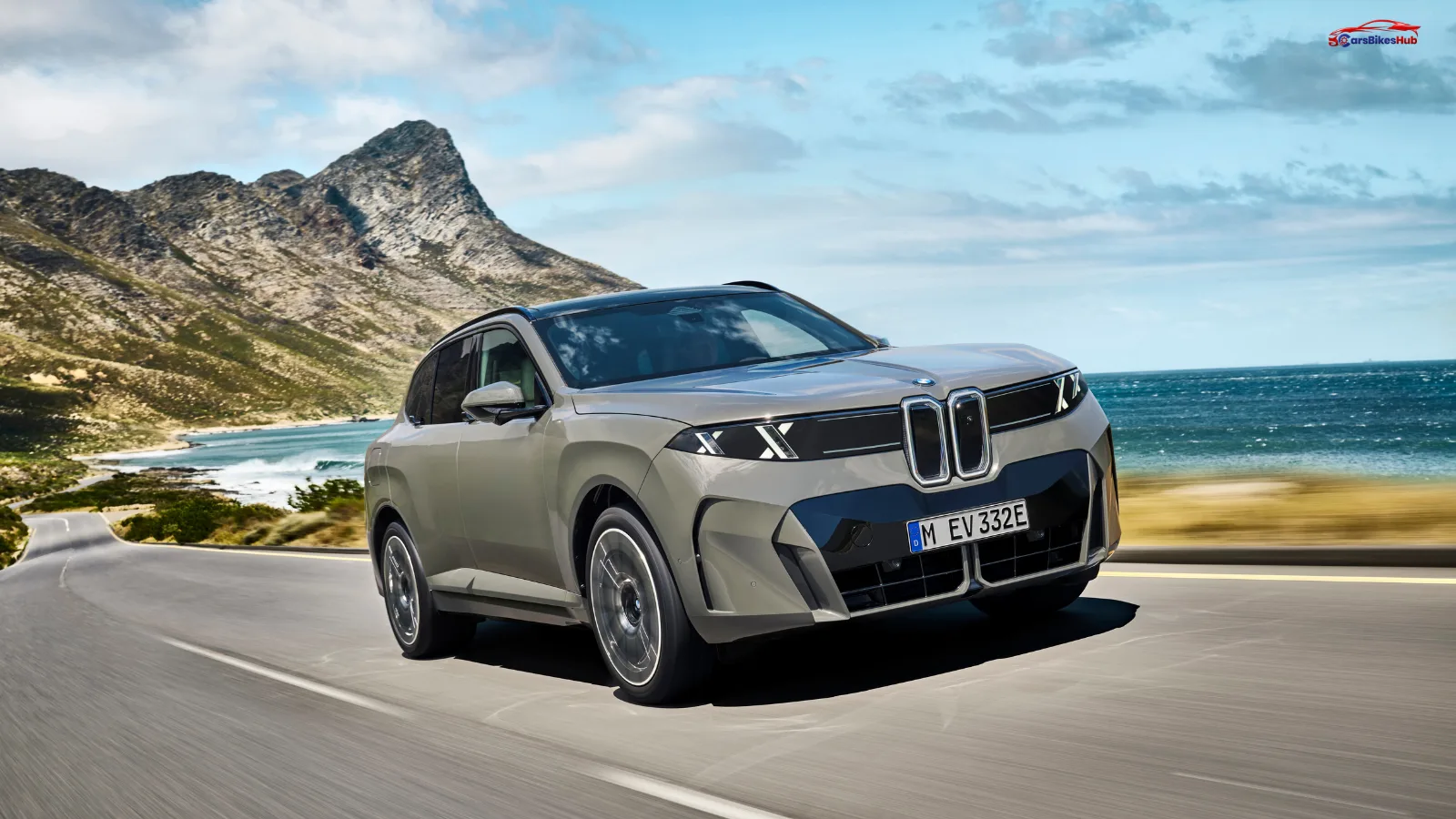
The new X5 wears BMW’s Neue Klasse design language, and it’s a genuine departure. Up front, the traditional twin-kidney grille is replaced by a slimmer, illuminated element paired with sharp, blacked-out headlamp housings, giving the car a more angular, tech-forward face. Around the sides, conventional door handles are gone entirely, replaced by touch-sensitive winglets built into the door pillars; press your palm against the panel, and it releases automatically. At the rear, a sportier, sloping roofline and wide, wraparound LED tail lamps replace the boxier silhouette of the outgoing model.
One detail worth flagging for practical buyers: the split-folding tailgate, a genuinely useful feature for Indian buyers who use the X5 for weekend getaways or golf trips, appears to have been redesigned, with the traditional split-tailgate arrangement no longer visible in the production model. If that feature matters to your buying decision, it’s worth confirming closer to the India launch.
Powertrains: What’s New?
This is where the 2027 X5 makes its biggest leap. Globally, BMW is offering five distinct powertrain options on the same body, something no previous X5 generation has done.
Confirmed globally:
- Petrol (X5 40 xDrive): A revised turbocharged 3.0-litre inline-six with 48V mild-hybrid assistance, offering a meaningful power bump over the outgoing engine.
- Diesel: Continues in international markets with mild-hybrid support.
- Plug-in Hybrid (X5 50e xDrive): Combines the inline-six with an electric motor for a combined output well north of 480 hp, plus a meaningful all-electric-only range for short city commutes.
- All-Electric (iX5): BMW’s first fully electric X5 ever, built on the Gen6 eDrive system with an 800-volt architecture, cylindrical battery cells for better cooling and energy density, and DC fast-charging capable of 10-80% in around 22 minutes.
- Hydrogen (iX5 Hydrogen): A fuel-cell version confirmed for later production, though BMW hasn’t detailed specifications yet.
Likely for India:
The realistic expectation is petrol, diesel, and plug-in hybrid variants at launch, with the electric iX5 a strong candidate to follow given BMW India’s growing EV push through the iX1 and iX3 lines.
The hydrogen version is unlikely to reach India in the near term given the near-total absence of hydrogen refuelling infrastructure here. Treat anything beyond the petrol/diesel/PHEV trio as a “likely, not locked-in” expectation until BMW India confirms its India-spec lineup closer to launch.
What’s New for Indian Buyers?
For buyers in India, here’s what the next-generation BMW X5 could actually mean in practical terms: the next-gen X5 will almost certainly arrive as an LWB model, meaning noticeably more rear legroom than the current car, a genuine upgrade for chauffeur-driven buyers.
Expect the familiar petrol and diesel options to continue, joined by a stronger plug-in hybrid, with a fully electric iX5 a realistic (though unconfirmed) follow-up once BMW India’s EV network matures. Pricing will likely start somewhat above today’s current ex-showroom price, and the earliest realistic showroom date is the second half of 2027, so anyone hoping to have this car by early 2027 will almost certainly be disappointed.
What’s Changed Inside the Cabin?
The cabin borrows heavily from the Neue Klasse interior seen on the iX3, including a redesigned steering wheel and a sweeping Panoramic iDrive display that spans the dashboard.
BMW’s new “Heart of Joy” central control unit, described as significantly faster at processing inputs across the powertrain, brakes, steering, and energy systems, also debuts here, aimed at making the car feel more responsive regardless of which powertrain you choose.
Comfort-focused options expected to carry over or expand include ventilated and massage seats, an upgraded ambient lighting system, and a more capable Level 2 driver-assistance suite. BMW has confirmed the new X5 will not push into higher autonomy levels, keeping the focus on refined assistance rather than self-driving claims, a sensible choice for Indian road conditions where such systems need heavy human oversight regardless.
Current BMW X5 vs 2027 BMW X5: Quick Comparison
Many readers already own the current-generation X5, so here’s a quick side-by-side of what’s changing:
| Aspect | Current X5 (G05) | 2027 X5 (Neue Klasse) |
| Platform | CLAR | Neue Klasse |
| Design | Traditional twin-kidney grille | Slim illuminated grille, angular face |
| Door handles | Conventional | Touch-sensitive winglets |
| Powertrains | Petrol, diesel, PHEV | Petrol, diesel, PHEV, EV, hydrogen (global) |
| Electric option | None | iX5 (all-electric, ~435-mile range) |
| Cabin display | Curved Display | Panoramic iDrive display |
| Split tailgate | Yes | Reportedly discontinued in traditional form |
| India availability | On sale now | Expected H2 2027, LWB only |
Who Is the 2027 BMW X5 Best Suited For?
The new X5 is best suited to buyers who want a genuine step up in cabin technology and refinement over the current-generation car, and who are comfortable waiting through 2027 for it to reach India. It’s less suited to buyers who need a car in the next few months, since India timing realistically pushes availability into late 2027 or even early 2028 once the LWB adaptation and homologation process are accounted for.
Should You Buy It? Or Wait?
Who should buy the current X5 now:
- Buyers who need a car within the next 6-12 months and don’t want to sit through an 18+ month wait.
- Buyers focused on outright value: the current X5 (G05) is a mature, well-sorted product with strong dealer support and known reliability patterns, and it’s likely to see attractive year-end and pre-transition offers as BMW India clears stock.
- Buyers who prioritise the tried-and-tested split tailgate and current cabin layout over new-generation styling risk.
Who should wait for the 2027 X5:
- Buyers who aren’t in a hurry and want the latest Neue Klasse technology, updated safety systems, and eventually an electric option in this body style.
- Buyers specifically interested in the plug-in hybrid or future electric iX5 variant, since these represent genuinely new capability rather than incremental change.
- Buyers who care about resale value five years down the line, since being the first owner of a generational redesign can carry a small premium in the used luxury market.
Is it worth waiting for?
If your timeline is flexible, yes, the design and technology shift is substantial enough to justify patience, particularly if the electric or plug-in hybrid variants interest you. If you need a car soon, the outgoing X5 remains a genuinely strong, well-rounded luxury SUV and buying now avoids both the wait and any early-production-run uncertainties that typically accompany a brand-new platform.
Alternatives worth cross-shopping while you wait:
Mercedes-Benz GLE, Range Rover Sport, Audi Q7, and Volvo XC90 all remain relevant options if your timeline doesn’t align with the X5’s India arrival.
The next-generation BMW X5 represents one of the biggest updates in the model’s history. Whether it’s worth waiting for depends on your timeline. If you need a luxury SUV soon, the current X5 remains an excellent choice. If you can wait until the second half of 2027, the new model promises significant advances in design, technology, and electrification, making it a compelling option for buyers who can afford to wait.




FAQs
When will the 2027 BMW X5 actually launch in India?
The India-spec model is expected to arrive in the second half of 2027 at the earliest, since BMW India is likely to offer the long-wheelbase (LWB) version, which requires additional engineering adaptation from the China-spec LWB model before it can be homologated for Indian roads.
Will the new BMW X5 be more expensive than the current model in India?
Exact India pricing hasn't been announced, but based on how BMW has priced recent generational updates (a modest increase over the outgoing model internationally), expect the new X5's starting price to land somewhat above the current model's ex-showroom starting price, with the top-end and electric variants priced meaningfully higher.
Should I buy the current BMW X5 now or wait almost two years for the new one?
If you need a car in the near term, buying now makes sense; the current X5 is a mature, well-supported product, and dealers often offer strong incentives during a generational transition window. If your timeline is flexible and you specifically want the latest technology or an electric option, waiting is reasonable.
Will the electric iX5 come to India?
It hasn't been confirmed, but given BMW India's expanding EV lineup (iX1, iX3), the iX5 is a realistic future addition, likely after the petrol, diesel, and plug-in hybrid variants establish the new generation in India.
What happens to the resale value of the current BMW X5 once the new generation launches?
Generational transitions typically soften resale values on outgoing models over 12-24 months, though BMW's X5 has historically held value better than most rivals in the segment due to steady demand and reliable service history, a pattern likely to continue.