












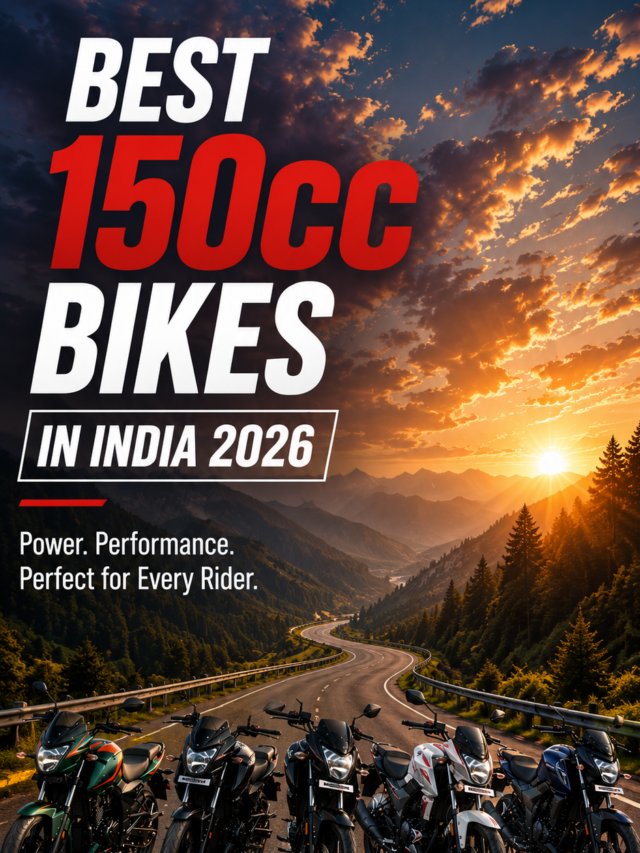
Buying a 150 cc bike seems easy until you find that there isn’t just one “best” option. Some may be focused on being comfortable, some may be focused on providing performance, and some others may be great when it comes to fuel economy. The right choice depends on how and where you ride every day.
But “best 150cc bikes in India” isn’t a one-size-fits-all answer. A college student riding 15 km a day to campus has very different needs from a working professional doing a 40 km daily highway commute. This guide breaks down the top 150cc bikes available in 2026, what each one is genuinely good for, and, more importantly, who should skip them.
Although this guide focuses on the 150cc segment, we’ve also included a few popular 160cc-class motorcycles, since they’re often cross-shopped by buyers browsing in this exact price range.
Which 150cc Bike Is Right for You?
Not sure which 150cc bike to choose? Start with this quick guide.
| Need | Recommendation |
| Office commute | Honda Unicorn |
| Performance | TVS Apache RTR 160 4V |
| Budget | Hero Xtreme 160R |
| Technology | Yamaha FZ-S FI V4 |
| All-round reliability | Bajaj Pulsar 150 |
Still unsure? Here’s a quick way to decide.
- Choose the Honda Unicorn if comfort and mileage matter most.
- Choose the TVS Apache RTR 160 4V if you enjoy spirited riding.
- Choose the Hero Xtreme 160R if you’re on a tighter budget.
- Choose the Yamaha FZ-S FI V4 if modern features are a priority.
- Choose the Bajaj Pulsar 150 if you want an all-rounder with a proven track record.
Why Buy a 150cc Bike in 2026?
With fuel prices staying elevated across most Indian cities and electric two-wheelers still limited by charging infrastructure outside metros, the 150cc petrol segment remains the most practical middle ground for daily riders.
These bikes typically deliver 40-55 kmpl depending on the model, cost meaningfully less to insure and service than 200cc+ motorcycles, and in 2026 most models have been updated to meet OBD-2B emission norms, meaning better fuel mapping and, in several cases, improved real-world efficiency over their predecessors.
Not every 150cc bike is built with the same rider in mind. Some focus on sporty performance and sharper handling, while others prioritise comfort, fuel efficiency, and everyday practicality. Choosing the right one depends on how and where you ride most often.
Best 150cc Bikes in India 2026: Price & Mileage at a Glance
| Bike | Approx. Ex-Showroom Price (Delhi) | Claimed Mileage | Best For |
| Bajaj Pulsar 150 | ₹1.13 lakh | 45-50 kmpl | Style-conscious commuters, long-time Pulsar loyalists |
| Bajaj Pulsar N150 | ₹1.21-1.41 lakh | 41-45 kmpl | Riders wanting upgraded features over the classic Pulsar |
| Hero Xtreme 160R | ₹1.05 lakh | 45+ kmpl | Best value-for-money daily commuter |
| Honda Unicorn | ₹1.13 lakh | 50+ kmpl | Comfort, reliability, and resale value |
| TVS Apache RTR 160 4V | ₹1.20-1.30 lakh | 40-45 kmpl | Riders who want sporty handling and braking confidence |
| Yamaha FZ-S FI V4 | ₹1.25-1.35 lakh | 45-50 kmpl | Tech-focused buyers (traction control, Bluetooth connectivity) |
| Yamaha FZ-X | ₹1.20 lakh+ | 45+ kmpl | Riders who like neo-retro styling with everyday usability |
Prices vary by city and variant; always confirm the final on-road price, which includes RTO registration, insurance, and local taxes, before booking.
A Closer Look: Which 150cc Bike Matches Your Riding Style?
1. Bajaj Pulsar 150: The Long-Running Favourite
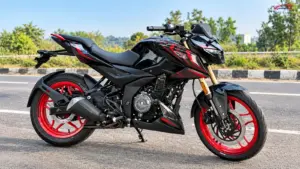
The Pulsar 150 has been a fixture on Indian roads for over two decades, and it’s stayed relevant because Bajaj keeps quietly updating it rather than letting it stagnate. It runs a 149.5cc, twin-spark, BS-VI-compliant FI engine that’s been tuned more for low-end punch than outright top speed, useful in stop-start city traffic.
- Pros: Muscular styling, strong spare-parts availability even in small towns, affordable servicing.
- Cons: Ride quality on broken roads is firmer than rivals’; some buyers find the seating slightly cramped on longer rides.
- Who should buy it: Riders who want a known quantity; Bajaj’s service network is genuinely one of the widest in the country, which matters if you live outside a major city.
- Who should avoid it: Anyone prioritising outright comfort on long commutes should test ride the Honda Unicorn first.
2. Hero Xtreme 160R: Best Value-for-Money Pick
Hero’s Xtreme 160R beats most of its 150cc rivals when it comes to price competitiveness without compromising on mileage. It has been designed keeping in mind buyers who desire a simple, practical daily commuter but don’t want to pay extra for features they might not need.
- Pros: Very competitively priced among all the bikes being compared, good torque output at low-end RPMs, huge dealership support from Hero.
- Cons: Fewer features compared to Yamaha FZ-S and TVS Apache, no traction control, simpler instrument cluster.
- Who should buy it: Budget-conscious first-time buyers and students who want strong mileage without overspending.
- Who should avoid it: Riders who specifically want connected-tech features should look at the Yamaha FZ-S instead.
3. Honda Unicorn: The Comfort and Resale Champion
The Unicorn has built its reputation on being the most refined, lowest-vibration engine in this segment, paired with genuinely class-leading mileage. It’s not flashy, and that’s exactly the point; it’s built for riders who want to get from A to B comfortably, every single day, for years.
- Pros: Smooth engine, great mileage in real-world use, good resale because of brand-name reliability.
- Cons: Design not sporty, looks more conservative than Pulsar or Apache.
- Who should buy it: Suits office-goers and families who want a reliable motorcycle with low maintenance hassles.
- Who should avoid it: Those looking for a sporty feel and experience will be disappointed.
4. TVS Apache RTR 160 4V: Best for Performance-Oriented Riders
If you want the sportiest ride in the segment, the Apache RTR 160 4V leads on handling feel, braking confidence, and outright performance character. TVS has consistently positioned the Apache as the enthusiast’s choice in this price band.
- Pros: Sharp handling, strong braking hardware, sporty ergonomics.
- Cons: Mileage trails slightly behind the Unicorn and Xtreme 160R; firmer ride suits enthusiastic riders more than comfort-first commuters.
- Who should buy it: Riders who care about how a bike feels to ride, not just how far it goes on a tank.
- Who should avoid it: If your daily ride is mostly slow city traffic, you won’t fully use what the Apache offers; consider the Unicorn or Xtreme instead.
5. Yamaha FZ-S FI V4: Most Feature-Rich Option
Yamaha has pushed the FZ-S upmarket with a traction control system, a genuine rarity at this price point, plus Bluetooth-enabled connectivity through its Y-Connect system. It’s aimed at buyers who want their commuter bike to feel a step ahead technologically.
- Pros: Traction control adds real safety value on wet or loose surfaces, connected features, muscular street-fighter styling.
- Cons: Among the pricier options in this list; the tech premium shows up in the price tag.
- Who should buy it: Tech-conscious buyers who ride in varied weather conditions and want extra safety margin.
- Who should avoid it: Strict budget buyers; the Xtreme 160R or base Pulsar 150 deliver similar core commuting ability for less.
Best 150cc Bike for Your Specific Need
Choosing a bike is about more than a single recommendation. Here’s why each model suits a different type of rider.
- Why is the Honda Unicorn best for office commutes? Its low-vibration engine and class-leading real-world mileage make repetitive, stop-start city riding the least tiring of any bike in this comparison, exactly what a five-day-a-week commute demands.
- Why is the TVS Apache RTR 160 4V better for highways? Stiffer suspension tuning, sharper handling, and stronger braking hardware give riders more confidence holding sustained higher speeds, something softer-tuned commuters aren’t built for.
- Why is the Hero Xtreme 160R the budget pick? It undercuts every other bike in this list on price while still delivering strong mileage, so first-time buyers aren’t paying for features they won’t use.
- Why is the Yamaha FZ-S FI V4 the tech choice? Its traction control system is a genuine rarity at this price point, adding real safety margin on wet roads, alongside Bluetooth-enabled Y-Connect smartphone connectivity.
- Why is the Bajaj Pulsar 150 the all-rounder? Two decades of continuous updates plus one of the widest, most affordable spare-parts networks in the country make it the safest “no major surprises” choice, even in smaller towns.
- Best for low maintenance cost: Bajaj Pulsar 150 due to the abundance and cheap availability of spare parts for Bajaj motorcycles even in small towns.
- Best for family use: Honda Unicorn or Bajaj Pulsar 150, since they provide two-up comfort riding and long-lasting performance.
- Best for first-time buyers: Hero Xtreme 160R or Honda Unicorn, easy to handle, forgiving in traffic, and not overly powerful for a learner.
Should You Buy a 150cc Bike Right Now?
Who should buy now: If your current bike’s repair costs are climbing, or you’re commuting longer distances than your current 100–110cc bike comfortably handles, there’s little reason to wait; most 150cc models in 2026 are already OBD-2B compliant, so you’re not buying into an imminent compliance-driven price hike.
Who should wait: If you specifically want the facelifted 2026 Pulsar 150 or are tracking a rumoured update to a specific model, it’s worth checking your preferred dealership for confirmed launch timelines before booking the outgoing version at full price.
Is it worth the money: For most daily commuters, yes, the 150cc segment remains the best balance of running cost and usable performance versus both smaller 110–125cc bikes (which struggle on highways) and pricier 200cc+ motorcycles (which cost more to insure and service).
Alternatives to consider: If your daily commute is under 15 km and almost entirely within city limits, a 125cc scooter or motorcycle may serve you just as well for less money. If you regularly do highway stretches over 60 km, it’s worth test-riding a 160–200cc option before committing to 150cc.
Final Verdict
There’s no single “best” 150cc bike in India, only the best one for your specific riding pattern and budget. If you want maximum value and mileage, the Hero Xtreme 160R or Honda Unicorn are hard to beat.
If sporty handling matters more to you than outright fuel economy, the TVS Apache RTR 160 4V is the clear pick. And if you are looking for the best value for your money, the Yamaha FZ-S FI V4 has enough traction and connectivity technology to convince you that its increased price is worth it.
The “best” 150cc bike isn’t a fixed answer; it’s whichever one fits your daily ride. Prioritise mileage, comfort, performance, or features based on how you actually use a bike, and the right choice becomes obvious.
FAQs
Which 150cc bike has the lowest overall ownership cost in India?
Generally, it will be either the Honda Unicorn or Hero Xtreme 160R, as both these bikes offer good practical mileage along with easily accessible service parts at affordable prices compared to sporty bikes such as the Apache.
Is it better to buy a 150cc bike or wait for a 160cc/200cc option?
If the travel distance per day does not exceed 40 km and if it is mostly urban driving, then 150cc bikes should suffice and are less expensive as well. If the roads travelled are highways above 60-70 km regularly and/or if one rides with a pillion, then the extra torque offered by 160-200cc bikes is worth the additional expense on insurance and fuel.
Do 150cc bikes in India really deliver their claimed mileage?
True mileage is always 10-20% lower than that quoted by ARAI, due to various factors including one's riding style and traffic situation, and regular servicing. Take claimed mileage as a guideline and not a guarantee.
How much should I budget for on-road price, not just ex-showroom?
On-road price (RTO registration, insurance, and local taxes included) is generally an addition of ₹15,000 to ₹25,000 to the showroom price, varying from one city to another. You must always get a quote for on-road price from your local dealer before you can compare the models.
Are 150cc bikes a good choice for first-time riders?
Yes, the 150cc segment offers confidence-inspiring handling without being too heavy or intimidating for new riders, while still having enough power to avoid feeling underpowered as your riding skill and confidence grow.