
























The Tata Sierra EV has been one of the most anticipated electric SUVs in India, and with its official reveal, buyers finally have a clearer picture of what Tata’s iconic nameplate brings back. From its all-wheel-drive setup and expected driving range to its features, pricing, and how it compares with rivals, there’s plenty to take in.
If you’re wondering whether the Tata Sierra EV deserves a place on your shortlist or whether you’re better off choosing an electric SUV that’s already on sale, this guide breaks down everything that’s confirmed so far, separates it from speculation, and explains what it means for buyers.
Quick Facts: Tata Sierra EV
| Launch Status | Unveiling June 30, 2026 |
| Expected Price | ₹18-25 lakh (ex-showroom) |
| Battery Options | 65 kWh and 75 kWh |
| Expected Range | Over 500 km (claimed), with some reports suggesting the larger battery could exceed 600 km under test conditions |
| Fast Charging | 120 kW DC |
| AWD | Yes, QWD Dual Motor (top variant) |
Note: Pricing and final variant-wise specifications had not been officially confirmed by Tata at the time of writing and will be updated here once announced at launch.
What Makes the Tata Sierra EV Different?
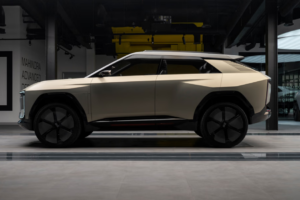
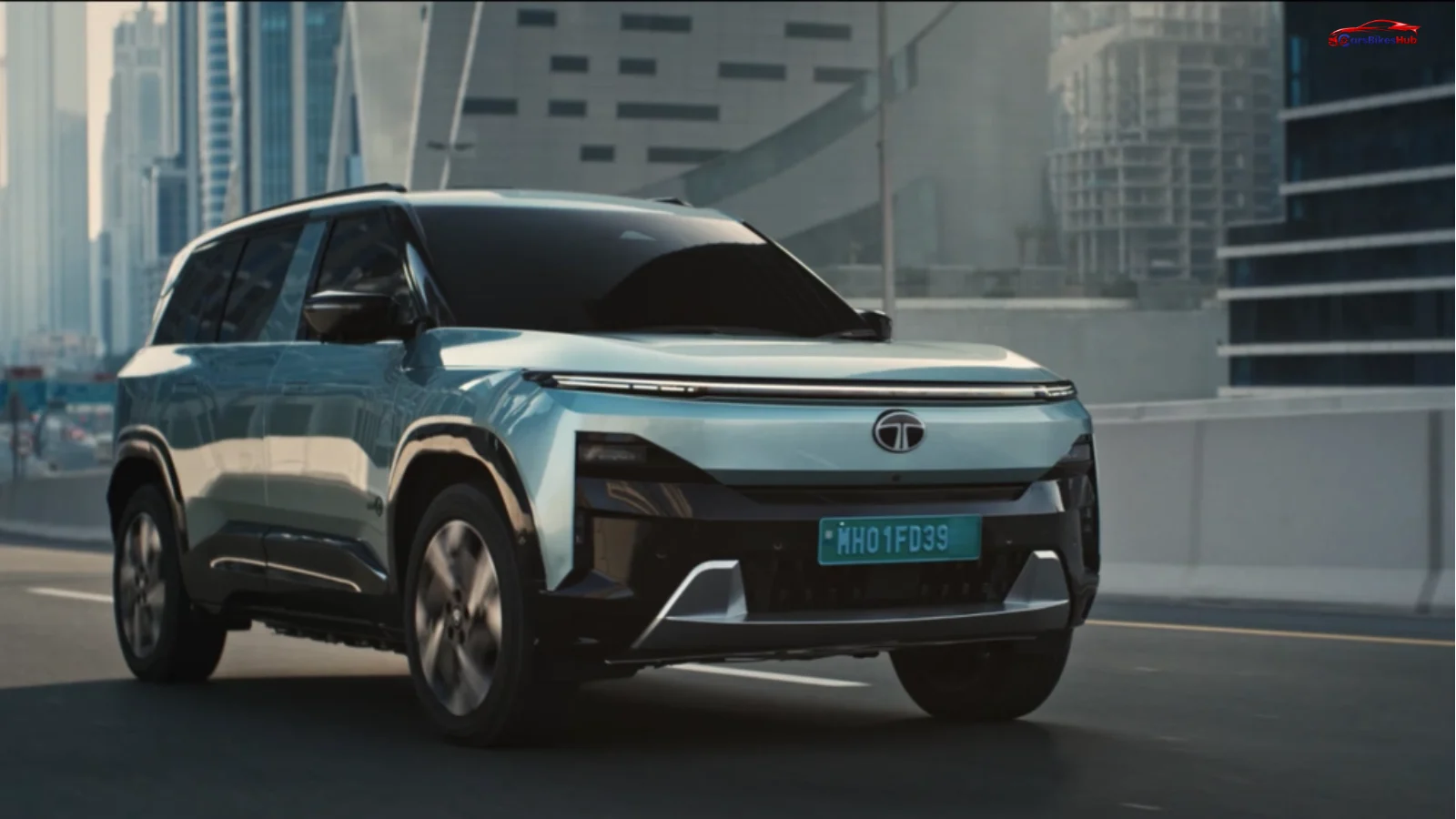
The Sierra EV is Tata Motors’ all-electric version of the recently revived Sierra SUV, built on the company’s Acti.ev+ platform, the same underpinnings used for the Harrier EV and Curvv EV. It slots between the Curvv EV and Harrier EV in Tata’s electric SUV lineup, positioning itself as a mid-size electric SUV with a heavy dose of nostalgia attached to the name.
While the body silhouette closely mirrors the ICE Sierra, the EV gets its own visual identity: a blanked-off, body-coloured front grille in place of a traditional intake, a redesigned front bumper, and EV-specific badging that sets it apart at a glance.
This is important because the Sierra EV has been developed as a dedicated electric SUV rather than simply adapting an existing model with an electric powertrain. It brings together all-wheel drive, terrain modes, and a technology-focused cabin designed around Tata’s latest EV platform.
How the Production Tata Sierra EV Differs from the Original Concept
Tata first showed the Sierra concept years ago, and many readers following the car since then will want to know what’s actually different in the production EV. A few key shifts stand out: the production Sierra EV retains the boxy, upright silhouette and glass roof that made the concept so striking, but the glass roof design has been revised for modern safety compliance rather than carried over unchanged.
The front fascia has moved from a concept-style closed grille to a more production-friendly body-coloured blanked-off panel with integrated EV badging. Inside, expect the concept’s futuristic ambitions translated into Tata’s now-familiar triple-screen layout and soundbar setup seen on the Harrier EV and Curvv EV, rather than anything radically experimental. Functionally, the biggest addition over the concept is confirmed dual-motor AWD with selectable terrain modes, a capability that wasn’t a headline feature of the original concept narrative but has become the production car’s standout differentiator.
Why the Sierra EV Matters Right Now
India’s electric SUV segment has gotten crowded fast. One of the most natural comparisons is with the Tata Harrier EV, since the Sierra EV shares its platform and battery packs. Beyond that internal comparison, the Hyundai Creta Electric, Mahindra BE 6, Maruti e Vitara, MG ZS EV, Toyota Urban Cruiser Ebella, and VinFast VF 6 are all competing for the same buyer.
What’s been missing is a genuinely capable AWD electric SUV at a price most Indian buyers can stretch to. The Sierra EV is expected to be priced between roughly ₹17 lakh and ₹25 lakh ex-showroom, which puts it squarely in that contested zone, but with a feature that almost none of its direct rivals offer as standard: a dual-motor all-wheel-drive system.
Confirmed Specifications (What Tata Has Actually Revealed)
Before getting into expected numbers, here’s what Tata itself has confirmed through official teasers ahead of launch:
- All-wheel drive system: The Sierra EV features a dual-motor all-wheel-drive system that Tata calls QWD Dual Motor, with one motor on each axle, making it one of the few mass-market electric SUVs in India with proper AWD.
- Terrain modes: The SUV offers six selectable terrain settings- Normal, Snow, Gravel, Sand, Rock Crawl, and Custom designed to adjust grip, stability, and power delivery for different surface conditions.
- Fast charging: DC fast charging support is confirmed at 120 kW, with the SUV expected to gain over 200 km of range in roughly 15 minutes under ideal conditions.
- Range hints: A teaser showed the instrument display reading 424 km of remaining range at 80% battery, which extrapolates to a claimed full-charge range comfortably north of 500 km, though the official certified figure will only be confirmed at launch.
- Off-road credentials: Tata has also showcased the Sierra EV’s off-roading ability through dune-climbing demonstrations, reinforcing the AWD system’s real-world capability rather than just listing it as a spec.
Expected Specifications (Speculated, Pending Official Confirmation)
A lot of numbers are floating around online, and it’s worth being upfront that these are informed estimates based on industry sources and the shared Harrier EV platform, not confirmed figures:
- Battery packs: The base variant is expected to get a 65 kWh battery pack, borrowed from the Harrier EV, with a larger 75 kWh pack likely reserved for higher trims and the AWD variant.
- Claimed range: Tata is expected to offer over 500 km of claimed range, with some reports suggesting the larger 75 kWh battery could exceed 600 km under test conditions, helped by the Sierra EV’s lighter footprint compared to the Harrier EV (which itself is rated up to 627 km). Treat the upper figure as optimistic; real-world range for any EV typically runs 25-30% lower than the claimed ARAI figure.
- Price band: Multiple sources peg the SUV between ₹18 lakh and ₹28 lakh ex-showroom, with ₹20-25 lakh being the most commonly cited range across automotive portals.
Should You Wait for the Tata Sierra EV?
This is probably the single biggest question on your mind, so let’s address it directly. If you’re currently in the “just browsing” phase and don’t need a car in the next month, waiting through the launch week makes sense; official pricing, trim-wise battery allocation, and exact range figures will all be locked in by early July 2026.
However, if you need a vehicle urgently and a well-discounted rival like the Creta Electric or e Vitara is available with an attractive deal right now, it may not be worth holding out, especially since first-batch deliveries of any new EV platform often face waitlists of several months.
A practical middle ground: if AWD and off-road terrain modes are genuinely important to your use case, the wait is worth it, since no rival in this price band currently matches that combination. If your priority is simply getting into an electric SUV without waiting, there are several well-established rivals already on sale that could be a better fit for your needs.
Who Is the Tata Sierra EV Best Suited For?
This SUV is most relevant to:
- Families upgrading from an ICE SUV who want genuine AWD capability for hill stations, light off-roading, or monsoon driving, without paying SUV-coupe premiums.
- Existing Tata EV owners (Nexon EV, Curvv EV) looking to step up to a bigger, more premium electric SUV within the same ecosystem and charging network.
- Buyers torn between the Mahindra BE 6 and Hyundai Creta Electric, who want a third option that combines AWD with a recognisable, emotionally resonant nameplate.
- City + highway mixed users who need a car capable of both daily commuting and occasional long weekend drives without serious range anxiety.
It’s less relevant for buyers who don’t have reliable access to home or workplace charging, since a 65-75 kWh battery is expensive to top up exclusively on public fast chargers regularly.
How Charging and Running Costs Work
This is where EV ownership differs fundamentally from ICE ownership, and it’s worth doing the actual math rather than just looking at range numbers.
Charging cost at home: Assuming an average domestic electricity tariff of ₹7-9 per unit in most Indian metros, fully charging a 65 kWh battery from near-empty costs roughly ₹455-585. If the Sierra EV delivers over 500 km on a full charge, that works out to approximately ₹1-1.2 per km, dramatically cheaper than the ₹6-8 per km running cost of a comparable petrol SUV.
Charging time: With 120 kW DC fast charging support, expect roughly 200 km of range added in about 15 minutes at a compatible fast charger, making highway top-ups genuinely practical rather than a 45-minute coffee-break ordeal.
Public charging cost: At public DC fast chargers, where rates typically run ₹15-22 per unit, a full 65 kWh charge could cost ₹975-1,430, still notably cheaper than fuel, but a meaningful gap from home charging costs, which is why home or workplace charging access matters so much for total cost of ownership.
How Does the Tata Sierra EV Compare with Its Rivals?
| Factor | Tata Sierra EV (expected) | Hyundai Creta Electric | Mahindra BE 6 |
| Price range | ₹18-25 lakh | ₹17.99-19.85 lakh | ₹18.90-26.90 lakh |
| AWD availability | Yes (QWD dual motor) | No | No |
| Claimed range | 500 km+ (up to 600+ km speculated) | Up to 473 km | Up to 682 km (claimed) |
| Fast charging | 120 kW | 100 kW DC | 175 kW DC |
| Off-road capability | High (6 terrain modes) | Low | Moderate |
The Sierra EV’s strongest differentiator isn’t outright range; Mahindra’s BE 6 likely beats it there, but the combination of AWD and proper terrain management software, which neither the Creta Electric nor the BE 6 currently offers. If genuine all-weather and light off-road capability matters to you, the Sierra EV is positioned to win that category outright among mass-market electric SUVs.
Tata Sierra EV vs Tata Harrier EV: Why Choose One Over the Other?
Since Tata already sells the Harrier EV on the same Acti.ev+ platform with the same 65 kWh and 75 kWh battery options, this is probably the comparison most buyers will actually make, not just Sierra EV vs rival brands. Here’s the practical difference: the Harrier EV is a bigger, more flagship-feeling SUV with a higher starting price, while the Sierra EV is expected to slot in below it, offering a similar AWD and battery package in a more characterful, nostalgia-driven design at a comparatively accessible price point.
If you want the larger cabin and Tata’s current range-topping electric SUV, the Harrier EV remains the choice. If you want essentially the same underlying technology, AWD, terrain modes, similar range in a more distinctive, smaller-footprint package and don’t need the absolute largest size, the Sierra EV is likely to be the smarter buy, especially if it undercuts the Harrier EV on price as expected.
Should You Buy It?
Buy it if:
- You want AWD capability in an electric SUV and aren’t willing to compromise on that
- You have reliable home or workplace charging access
- You’re drawn to the Sierra nameplate and want a more characterful alternative to badge-engineered EVs
- You can wait a few months post-launch for stable supply and avoid early-production teething issues
Avoid it if:
- You need a car within the next 4-6 weeks and can’t wait through the initial post-launch waitlist
- You rely entirely on public charging infrastructure with limited access in your city
- Outright maximum range is your single biggest priority; the BE 6 likely edges ahead here
- You want a proven ownership track record; as a brand-new platform variant, the Sierra EV won’t have real-world reliability data for at least 6-12 months
Who should NOT buy the Sierra EV?
- Apartment dwellers without a dedicated parking spot or charger installation permission without guaranteed overnight charging access; you’ll end up depending on public fast chargers, which erodes the cost advantage and adds daily friction.
- Buyers in smaller cities or towns with sparse charging infrastructure, while metros like Delhi, Mumbai, and Bangalore have growing networks, tier-2/3 city buyers may find public charging unreliable for anything beyond short, predictable commutes.
- Frequent long-distance highway drivers in regions with patchy fast-charging coverage, even with 120 kW charging support, route planning becomes a real consideration if chargers are sparse between cities you regularly travel.
Is it worth waiting for? If you’re not in a rush, yes, particularly for buyers who specifically want AWD, since that’s a genuine functional gap in this price segment that the Sierra EV alone fills among Tata’s direct EV-SUV rivals.
Alternatives worth shortlisting in the meantime: Hyundai Creta Electric (if AWD isn’t a priority and you want a more proven badge), Mahindra BE 6 (if maximum range and faster charging matter more to you), and the ICE Tata Sierra (if you’re not ready to commit to EV ownership yet but love the design language).
The Tata Sierra EV is shaping up to be one of the more genuinely differentiated electric SUVs to launch in India in 2026, not because of one standout spec, but because of how AWD, terrain modes, and a recognisable nameplate combine into a package none of its direct rivals currently match.
If you’re considering an electric SUV and don’t need to buy immediately, waiting for Tata to announce the final price and certified range figures will help you make a more informed decision. Buyers who need a vehicle right away should compare the Sierra EV with alternatives already on sale before deciding.



FAQs
Is the Tata Sierra EV price confirmed yet?
Not officially. As of the June 30, 2026 unveil, multiple industry estimates place it between ₹18 lakh and ₹28 lakh ex-showroom, with ₹20-25 lakh being the most commonly cited band. Official, variant-wise pricing will only be locked in at launch.
What is the real-world range of the Tata Sierra EV likely to be?
The claimed range is expected to cross 500 km, possibly up to 600+ km on the larger battery. Real-world range for most EVs typically runs 25-30% below the claimed figure, depending on driving style, AC use, and terrain, so expect something closer to 380-450 km in everyday mixed driving.
Does the Tata Sierra EV come with all-wheel drive on every variant?
No, AWD (QWD Dual Motor) is expected to be reserved for the top-spec variant paired with the larger battery pack, similar to how Tata has structured the Harrier EV's AWD option. Base and mid variants will likely be single-motor, front- or rear-wheel drive.
How much will it cost to charge the Tata Sierra EV at home?
At typical Indian domestic electricity rates of ₹7-9 per unit, fully charging a 65 kWh battery should cost approximately ₹455-585, working out to roughly ₹1-1.2 per km, significantly cheaper than running an equivalent petrol or diesel SUV.
What's the difference between the Tata Sierra EV and the Tata Harrier EV?
Both share the same Acti.ev+ platform and battery options, but the Harrier EV is the larger, more flagship-positioned SUV with a higher price tag, while the Sierra EV is expected to offer similar AWD and range capability in a more compact, distinctively styled package at a relatively lower price, making it the better pick if you don't need the Harrier's larger footprint.