























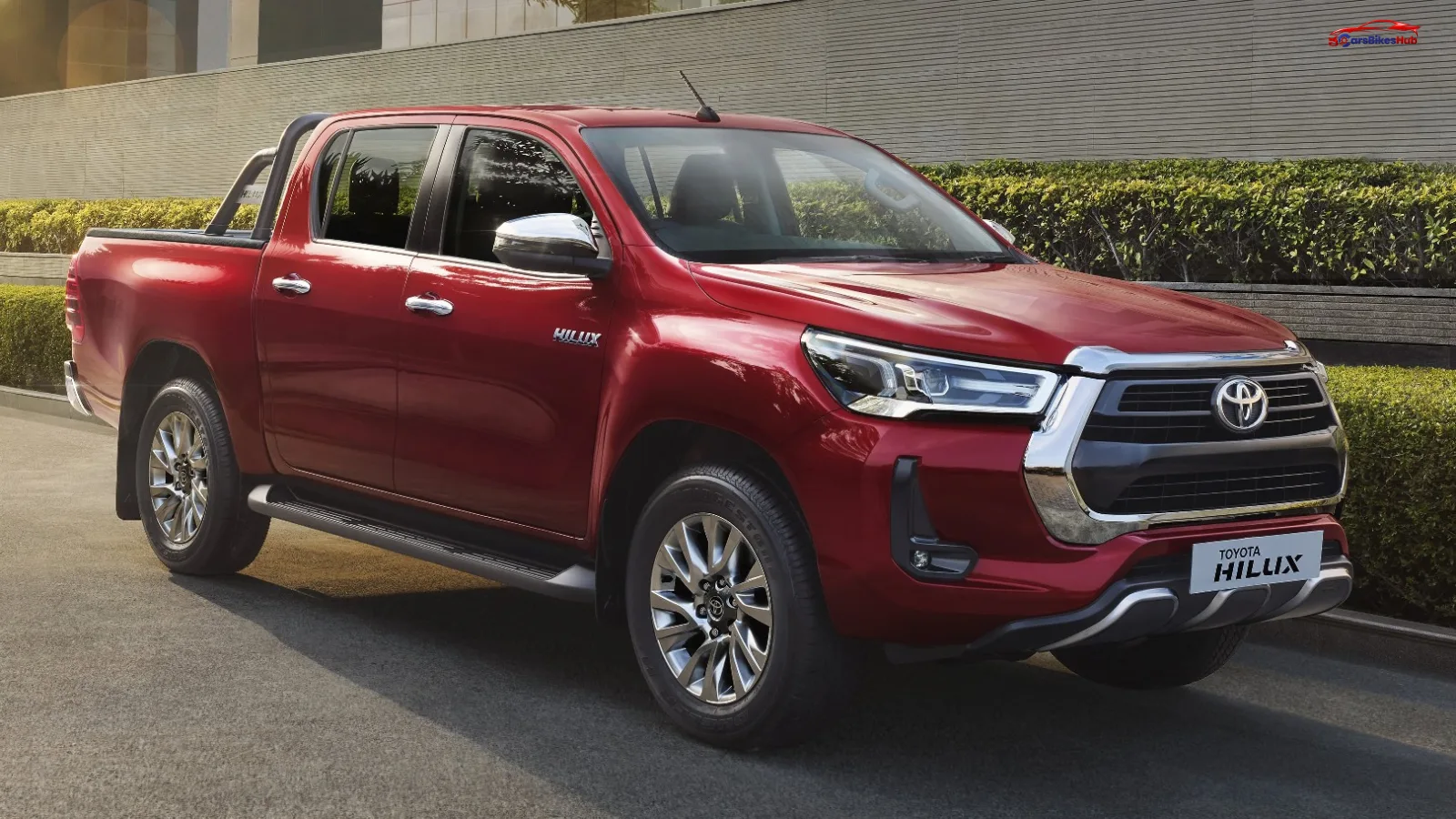
Toyota has officially confirmed that the ninth-generation Hilux will go on sale in India on July 28, 2026, bringing the biggest update the pickup has had since it arrived here. If you’ve been eyeing a Toyota Hilux, that timing puts you in an awkward spot. Do you buy the outgoing truck now, possibly with a launch-linked discount, or hold off for a model that’s expected to cost more but finally addresses the cabin and feature gaps that have made the current Hilux feel underdone for its price?
This article walks through what’s actually changing, what it means for your money, and how the new truck stacks up against its only real rival, the Isuzu V-Cross.
A quick note: Toyota has officially revealed the global ninth-generation Hilux and confirmed the India launch date. Exact India pricing, the final India-spec engine line-up, and the complete feature list have not been officially announced yet. Everywhere this article uses the word “expected,” it means the detail is based on international specifications, spy shots, or dealer-level reports, not a confirmed Toyota India statement.
Quick Overview
| Details | |
| India launch | July 28, 2026 (confirmed by Toyota) |
| Expected price | Roughly ₹30-38 lakh (ex-showroom), against ₹28.52–35.85 lakh for the current Hilux |
| Engine | 2.8-litre diesel, ~204hp/500Nm, expected to gain a 48V mild-hybrid setup (already used on the Fortuner Neo Drive) |
| Transmission | 6-speed manual or 6-speed torque converter automatic, 4WD with low range |
| Key upgrades | New front-end design, dual 12.3-inch displays, more premium cabin, likely ADAS on top trims |
| Direct rival | Isuzu V-Cross (₹25.50–30.28 lakh) |
| Should you wait? | Mostly yes, unless you need a truck immediately or the current model’s dealer discount is large |
Why Is the 2026 Toyota Hilux Generating So Much Interest?
The Hilux has always sold on reputation rather than showroom appeal. Buyers trusted its diesel engine, its ladder-frame chassis, and its resale value, but at close to ₹40 lakh on-road for a fully loaded variant, the interior always felt like it belonged to a much cheaper vehicle.
Toyota revealed the new-generation Hilux globally in November 2025, and it borrows heavily from the Land Cruiser playbook, both in how it looks and in the tech it now carries. For India, where the Hilux has always been a low-volume, lifestyle purchase rather than a mainstream one, this update matters because it’s the first real attempt to make the truck feel like it justifies its price tag, not just its badge.
What’s New in the 2026 Toyota Hilux?
Exterior
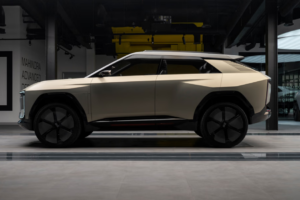
The new Hilux gets a redesigned front fascia with a new bonnet and bumper, slimmer LED headlamps connected by a black panel, and a larger honeycomb-mesh grille finished in black. Body cladding, silver-finished skid plates, and more pronounced wheel arches carry over the rugged look the Hilux is known for.
At the rear, changes are milder: revised tailgate detailing, vertical LED tail lamps, and a more upright stance. It’s a heavier, more purposeful design than before, closer in spirit to how Toyota has repositioned the Fortuner and Land Cruiser globally.
Interior
This is where the update matters most. The current Hilux’s cabin has felt dated for years, with a low-resolution touchscreen and switchgear that doesn’t match a nearly ₹40 lakh on-road price.
The new model gets a 12.3-inch touchscreen running Toyota’s Smart Connect system with built-in navigation and both wired and wireless Android Auto and Apple CarPlay, paired with a fully digital, customisable instrument cluster offering single, dual, and triple-dial display layouts depending on drive mode. Physical controls remain for climate and off-road functions, which is a sensible call for a vehicle still meant to be driven with gloves on in muddy conditions.
Features & Technology
- 12.3-inch infotainment with wireless phone connectivity
- Wireless phone charging
- Dual-zone climate control
- 360-degree camera with gradient readout
- Type-C charging ports
- Powered front seats with lumbar support, and ventilated seats on higher trims (expected)
- Rear-seat comfort updates including a centre armrest
The multiple digital cluster “themes” and layout options look good in a brochure but rarely change how you use the truck day to day. Similarly, badge and trim-level cosmetic tweaks Toyota is likely to introduce on top variants add showroom appeal more than real usability.
ADAS and Safety
Toyota is expected to extend its ADAS suite, which already features on the Fortuner and Camry, to higher Hilux variants, potentially including blind-spot monitoring and driver-assistance functions. This has not been confirmed specifically for the India-spec truck, so treat it as a likely but unconfirmed upgrade until Toyota’s official spec sheet drops closer to launch.
Engine & Performance
Toyota is expected to carry over the proven 2.8-litre diesel engine, producing around 204hp and 500Nm, paired with a 6-speed manual or 6-speed torque converter automatic and a 4WD system with a low-range transfer case.
The bigger question is whether India gets the 48V mild-hybrid version of this engine, which is already sold here on the Fortuner Neo Drive. If it arrives on the Hilux too, expect a modest bump in low-speed refinement and fuel efficiency rather than any dramatic change in outright performance; mild-hybrid systems assist the engine, they don’t replace it.
Globally, Toyota has also revealed an electric Hilux with a 59.2kWh battery and roughly 240km of WLTP range, and confirmed a hydrogen fuel-cell version arriving in 2028. Neither is expected in India in the near term; the mild-hybrid diesel remains the realistic bet for Indian buyers.
Will it actually drive better? On paper, the powertrain change is incremental rather than transformative. What should feel different is refinement, stop-start smoothness from the mild-hybrid system, if fitted and possibly a firmer, more planted highway feel if Toyota has revised the suspension tuning, though this hasn’t been detailed yet.
2026 Hilux vs Current Hilux
| Area | Current Hilux | 2026 Hilux (Expected) |
| Design | Familiar, dated front-end | Bolder fascia, Land Cruiser-inspired detailing |
| Interior | Basic touchscreen, analogue-heavy cluster | Dual 12.3-inch displays, digital cluster |
| Features | Functional but sparse for the price | Wireless charging, 360 camera, ventilated seats (expected) |
| Engine | 2.8L diesel, 204hp/500Nm | Same base engine, likely with 48V mild-hybrid assist |
| Safety | Standard airbags, no confirmed ADAS | ADAS expected on top variants |
| Price | ₹28.52–35.85 lakh | ₹30–38 lakh (expected) |
Toyota Hilux vs Isuzu V-Cross
The Isuzu V-Cross was itself updated in February 2026, so this isn’t a comparison against an ageing rival; Isuzu has kept it reasonably current too.
| Area | Isuzu V-Cross (2026) | Toyota Hilux (2026, expected) |
| Price | ₹25.50–30.28 lakh (ex-showroom) | ₹30–38 lakh (ex-showroom, expected) |
| Engine | 1.9L diesel, ~161bhp/360Nm | 2.8L diesel, ~204hp/500Nm |
| Transmission | 6MT / 6AT, 4WD standard | 6MT / 6AT, 4WD with low range |
| Features | 10.3-inch touchscreen, 360 camera, 8-speaker audio | 12.3-inch dual displays, wireless charging, ADAS (expected) |
| Off-road ability | Strong, 4WD standard across the range | Strong, established Toyota reputation |
| Ownership | Lower running costs, smaller service network | Higher resale value, wider dealer network |
| Best for | Buyers who want capability without the Toyota premium | Buyers who prioritise brand trust and resale value |
The V-Cross is meaningfully cheaper and now comes with 4WD as standard on every variant, which used to be a Toyota-only advantage. What it doesn’t match is the Hilux’s engine size, torque, or Toyota’s dealer and resale ecosystem. If your priority is outright capability per rupee, the V-Cross makes a strong case.
If you want the badge, the bigger engine, and better resale certainty, the Hilux remains the default choice; you’re paying a premium for those things, not for features alone.
Should You Wait for the 2026 Toyota Hilux?
Should wait if:
- The cabin upgrade alone addresses the current Hilux’s biggest weakness
- ADAS and better safety tech are likely on higher variants
- A genuinely new-generation truck will hold its value better long-term than a truck about to go out of production
Should buy the current Hilux:
- It’s typically priced ₹1-3 lakh lower than what the 2026 model is expected to cost
- Outgoing-model discounts often appear in the weeks before a new generation launches, and dealers may be motivated to clear existing stock
- If you need the truck now for work or travel plans, waiting six to eight weeks may not be worth it if your current options meet your needs
Given the launch is barely weeks away, waiting makes sense for most buyers unless you can secure a genuinely large discount on the outgoing model right now.
Running Costs & Ownership
The Hilux has historically held its value well in India, helped by low volumes and consistent demand from a niche but loyal buyer base. Toyota’s diesel engines are well regarded for long-term reliability, and the brand’s service network, while not as dense as mainstream carmakers, is dependable.
Spare parts and service costs sit on the higher side compared to regular SUVs, which is typical for a low-volume, body-on-frame vehicle. The V-Cross, by comparison, tends to have lower service costs but a smaller network, which matters more if you live outside a major city.
Fuel Economy
The current Hilux returns around 12kmpl on paper, with real-world figures closer to 9–11kmpl in the city and 12–14kmpl on the highway, depending on how it’s loaded and driven. It’s a truck built for strength, not fuel-saving.
The 2026 model is expected to carry over similar real-world economy, with the mild-hybrid system (if it makes it to India) likely nudging city mileage up slightly by reducing strain on the engine at low speeds. Toyota hasn’t published official ARAI figures for the new model yet, so treat any specific number you see before launch as an estimate.
Warranty and Maintenance
Toyota typically backs the Hilux with standard new-vehicle warranty coverage, extendable up to five years through paid extended-warranty plans, along with periodic free maintenance service visits at authorised dealers.
Toyota has also offered a 70% assured buyback scheme on the current Hilux at certain points, letting buyers return the vehicle after three years at a fixed resale value, worth asking your dealer whether a similar scheme carries over to the 2026 model at launch.
Who Is the Toyota Hilux Actually For?
It’s easy to assume the Hilux is bought purely as a status symbol, but the buyer base is more varied than that. Adventure and overlanding enthusiasts use it for its water-wading ability, low-range 4WD, and genuine cross-country capability; this is one of the few vehicles in India that can be driven, loaded, and camped out of without hesitation. Business owners and farmers with genuine hauling needs value the payload capacity and the deck space, alongside Toyota’s reputation for engines that keep running with minimal fuss.
Towing-focused buyers, boat owners, and those hauling trailers or equipment lean on its torque and rated towing capacity. And then there’s the lifestyle buyer: someone who wants an SUV-alternative that stands out on the road and signals rugged intent, even if it never leaves tarmac. Knowing which of these you are matters, because it changes which variant and which transmission actually make sense for you.
What Actually Matters in Everyday Ownership?
- A more modern cabin that doesn’t feel like a step down from your last SUV
- ADAS, if it comes through on higher variants, genuinely useful on highway-heavy usage
- Better seat comfort and climate control for long drives
- Digital cluster theme options
- Cosmetic trim differences between variants
- Optional accessory packages that add little beyond appearance
Who Should Buy the Toyota Hilux?
Buy it if: you want the latest design and cabin tech, you regularly go off-roading or need to tow, you value Toyota’s reliability and resale record, or you can find a strong discount on the outgoing model and need a truck immediately.
Skip it if: your budget is closer to ₹25–28 lakh; the V-Cross gets you into a capable 4WD pickup for meaningfully less.
Consider the Fortuner if: you want SUV-style seating and everyday usability over outright payload and towing capacity; the Fortuner shares the Hilux’s engine and mild-hybrid tech in India already.
Consider the Isuzu V-Cross if: capability per rupee matters more to you than brand badge, and you’re comfortable with a smaller service network.
Final Verdict
The 2026 Hilux isn’t a mechanical revolution; Toyota has wisely left the core engine and chassis largely alone, but it addresses the one thing that made the outgoing truck hard to recommend at its price: a cabin that didn’t match the cost. For most buyers who don’t need a truck this month, waiting for the new generation makes sense, especially if ADAS and the mild-hybrid system do make it to the India-spec version.
Buyers on a tighter budget, or those who simply need a capable 4WD pickup without paying for the Toyota badge, are still better served by the Isuzu V-Cross. And if you already have a Hilux deal on the table with a meaningful discount, there’s no strong reason to wait purely for cosmetic and tech upgrades.


FAQs
When will the 2026 Toyota Hilux launch in India?
Toyota has officially confirmed the launch date as July 28, 2026.
Should I wait for the 2026 Hilux or buy the current model?
If you don't need a truck immediately, waiting is worth it for the cabin and tech upgrades. If you can find a strong discount on the outgoing model now, buying immediately is also reasonable.
Will the 2026 Hilux get a hybrid engine in India?
It's expected to get a 48V mild-hybrid version of the existing 2.8-litre diesel, similar to the Fortuner Neo Drive, but this hasn't been officially confirmed for India yet.
How much will the 2026 Toyota Hilux cost in India?
Expected pricing is in the ₹30–38 lakh (ex-showroom) range, though official prices will only be confirmed at launch.
Will the 2026 Hilux get ADAS in India?
It's expected on higher variants, based on Toyota's global spec sheet and its rollout on other India-market Toyota SUVs, but this isn't officially confirmed.