
























If you’re shopping for a midsize SUV, the Maruti Grand Vitara is almost impossible to ignore. It promises excellent fuel efficiency, a comfortable cabin, and the reassurance of Maruti’s vast service network. But beyond the mileage figures and feature list, what is it actually like to live with every day? Here’s everything you should know before you sign the booking form.
Quick Overview
| Parameter | Details |
| Price (ex-showroom) | ₹10.77 lakh – ₹19.72 lakh (varies slightly across cities/offers) |
| Variants | Sigma, Delta, Zeta, Alpha, Alpha+ (across Petrol, CNG, Strong Hybrid) |
| Engine Options | 1.5L petrol (mild hybrid), 1.5L Atkinson-cycle strong hybrid, 1.5L CNG |
| Smart Hybrid vs Strong Hybrid | Smart Hybrid: 103 PS petrol with mild electrical assist. Strong Hybrid: ~116 PS combined, Toyota-sourced system with short EV-only bursts |
| Transmission | 5-speed manual, 6-speed torque-converter automatic, e-CVT (Strong Hybrid only) |
| Claimed Mileage (ARAI) | 19.2–21.11 kmpl (petrol) to 27.97 kmpl (strong hybrid) |
| Expected Real-World Mileage | 14–16 kmpl city / 17–19 kmpl highway (petrol); 20–23 kmpl city / 21–24 kmpl highway (strong hybrid) |
| Boot Space | 373 litres (mild hybrid) / 265 litres (strong hybrid, due to battery under the floor) |
| Ground Clearance | ~208–210 mm unladen |
| Seating | 5 |
| Safety | 6 airbags standard, ESP, hill-hold, 360-degree camera; no ADAS; not crash-tested by Global NCAP or Bharat NCAP yet |
| Best For | Families and city commuters who prioritise fuel economy, service convenience, and resale value over outright performance |
Note: exact on-road pricing varies by city, variant, and ongoing offers; always confirm the latest figure with your local Nexa dealership.
What Makes the Grand Vitara Different?
The Grand Vitara’s biggest talking point is its strong hybrid powertrain, developed jointly with Toyota and shared with the Urban Cruiser Hyryder. Unlike a regular mild-hybrid setup that only assists the engine, the strong hybrid can genuinely drive on electric power alone for short stretches, typically in slow-moving traffic or while crawling in a parking lot. That’s the reason its mileage numbers stand out in this segment.
The second reason buyers gravitate toward it is Maruti’s service network. Even though the Grand Vitara is sold through the premium Nexa channel, it still benefits from Maruti’s parts availability and technician familiarity across small towns, something rivals from newer brands can’t always match.
Add in one of the most affordable all-wheel-drive (AWD) options in the segment, and you get a car that appeals to buyers who want efficiency and reassurance rather than outright road presence.
Grand Vitara Price in India
The Grand Vitara range spans roughly ₹10.77 lakh to ₹19.72–20.22 lakh (ex-showroom), depending on powertrain and trim. Figures vary slightly by source, city, and ongoing offers, so treat these as indicative:
| Powertrain | Ex-Showroom Price Range (approx.) |
| Petrol (Smart Hybrid), Manual | ₹10.77 lakh – ₹14.5 lakh |
| Petrol (Smart Hybrid), Automatic (incl. AWD on Alpha) | ₹12.0 lakh – ₹17.5 lakh |
| CNG | ₹11.5 lakh – ₹14.5 lakh |
| Strong Hybrid, e-CVT Automatic | ₹15.5 lakh – ₹20.22 lakh |
The entry-level Sigma petrol manual is the cheapest way into a Grand Vitara at ₹10.77 lakh, while the Alpha+ Strong Hybrid (top-spec, dual-tone) tops the range at around ₹19.72–20.22 lakh ex-showroom. On-road prices run noticeably higher once RTO registration, road tax, and insurance are added, typically ₹2–3.5 lakh more depending on your state, so budget for that gap rather than anchoring only on the ex-showroom figure.
Maruti has also revised pricing over time; a hike of up to ₹62,000 was introduced in 2025 to reflect rising input costs and the move to six airbags as standard, while GST-linked price cuts have occasionally brought the entry-level Sigma trim down again. Because of this back-and-forth, it’s worth cross-checking live pricing on the official NEXA website or with your local dealership before finalising your budget.
Variants
The Grand Vitara is offered across roughly 19–25 variant combinations once you factor in trim, powertrain, and transmission. Here’s how the trim ladder breaks down and what each level actually adds:
- Sigma: the base trim. Six airbags and core safety kit are standard, but you miss out on the touchscreen infotainment, cruise control, and alloy wheels. Offered only with the Smart Hybrid petrol and a manual gearbox.
- Delta: the volume-selling trim for many buyers. Adds cruise control, Suzuki Connect (connected car tech), keyless entry, push-button start, a rear camera, and TPMS. Available in petrol (manual or automatic) and CNG (manual only).
- Zeta: steps up to the larger 9-inch SmartPlay Pro+ touchscreen and a premium Clarion audio system. This is also the entry point for the Strong Hybrid powertrain. Available in petrol, Strong Hybrid, and CNG.
- Zeta+: a Strong-Hybrid-only extension of Zeta that adds the panoramic sunroof and a fuller feature set.
- Alpha: the only trim offered with AWD, but exclusively on the petrol (Smart Hybrid); automatic AWD is never paired with the Strong Hybrid. Also available as a front-wheel-drive Strong Hybrid.
- Alpha+: the range-topping trim, offered only with the Strong Hybrid e-CVT automatic. Gets the full feature set: HUD, ventilated seats, 360-degree camera, wireless charging, and dual-tone paint on the “(O)” trim.
A few practical notes on variant selection: CNG is offered as a factory-fitted kit on Delta and Zeta trims only, and only with the manual gearbox; there’s no CNG-automatic combination. AWD is locked to the Alpha petrol trim, so if all-wheel-drive matters to you, the Strong Hybrid is automatically off the table. And the Strong Hybrid itself is only available from Zeta trim upward, paired exclusively with the e-CVT automatic; there’s no manual option if you want the hybrid powertrain.
Exterior Design
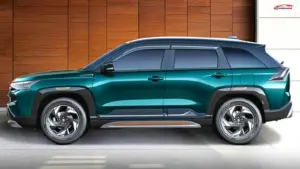
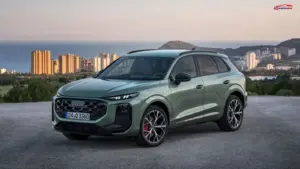
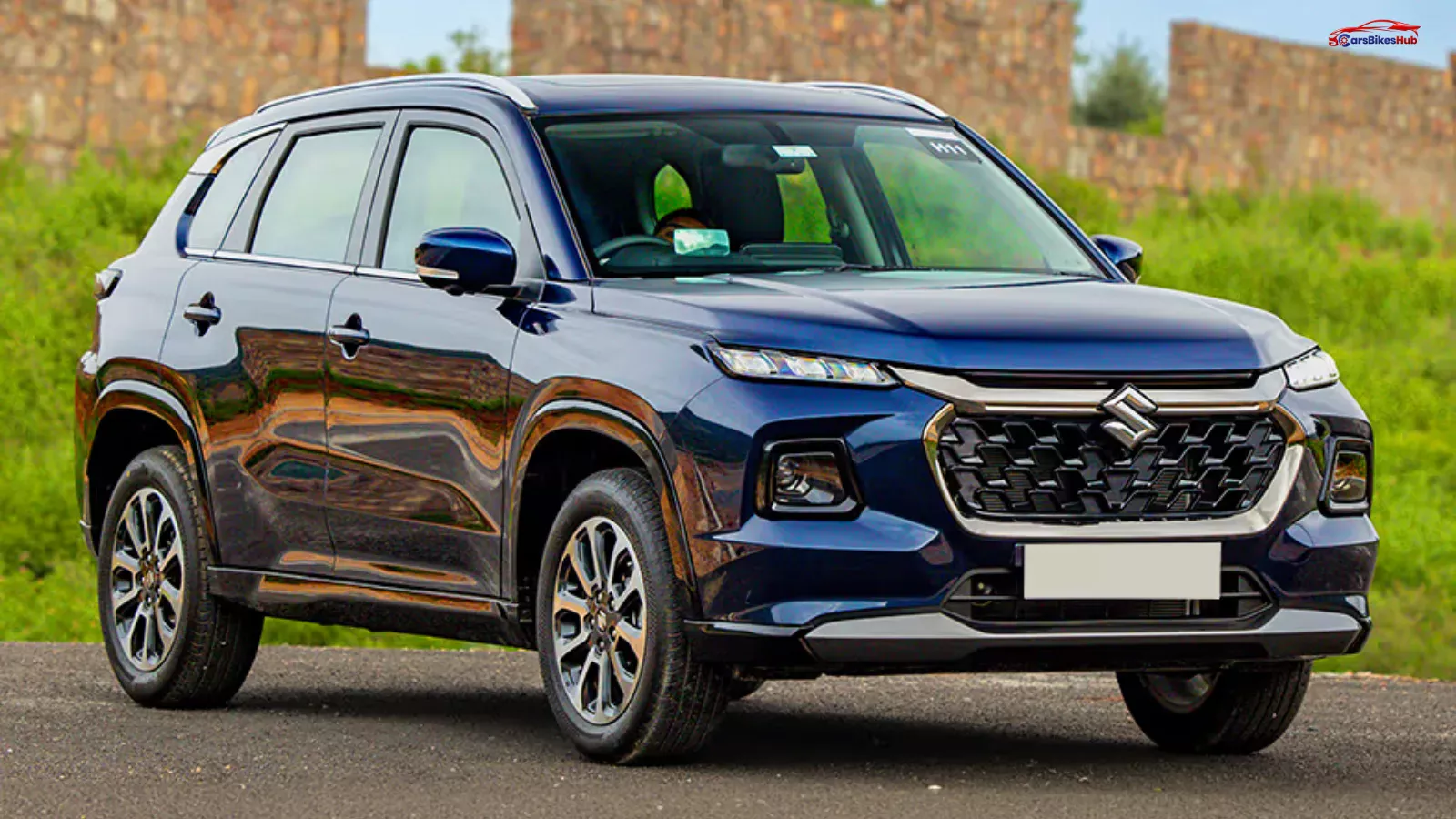
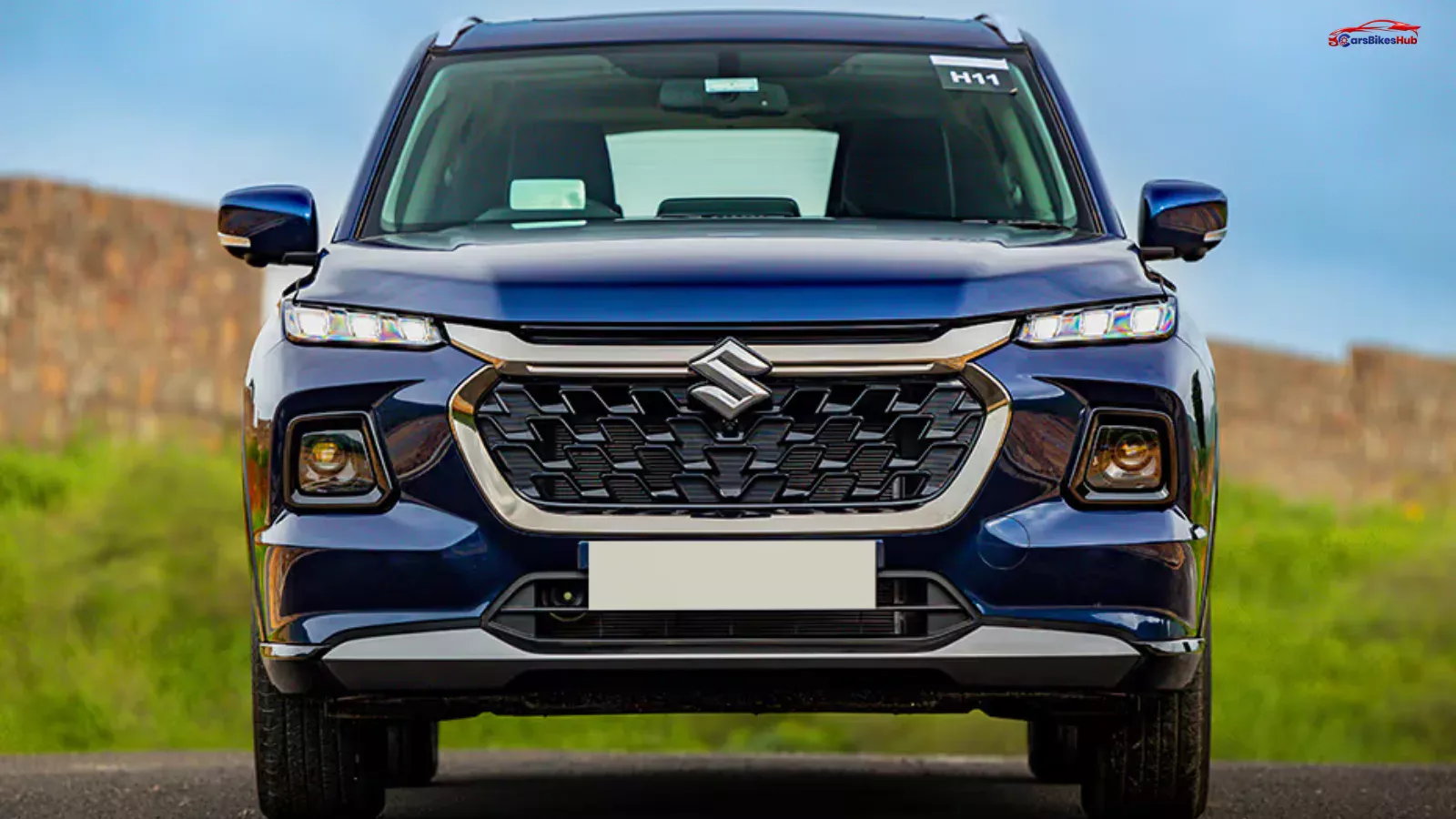
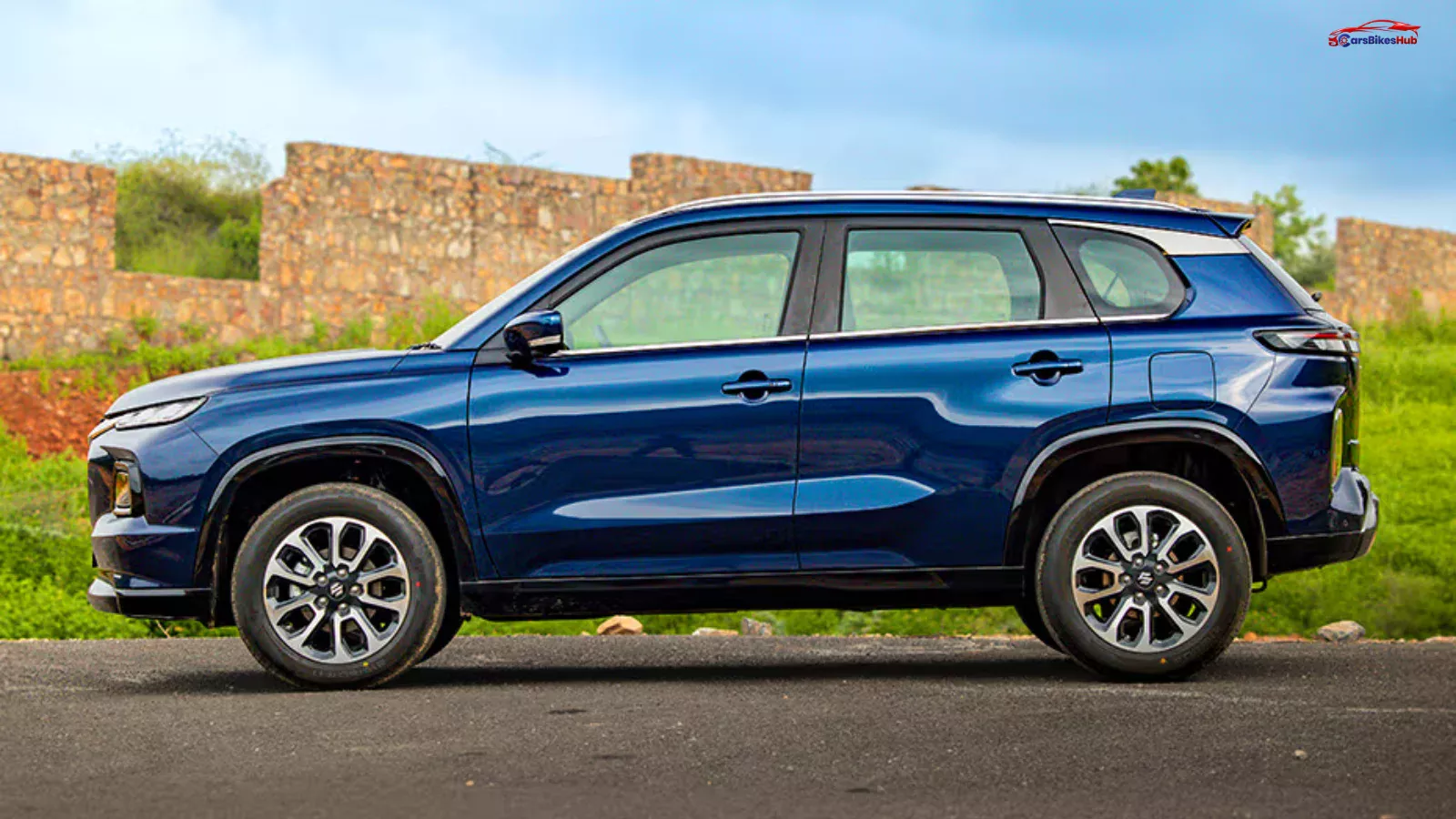
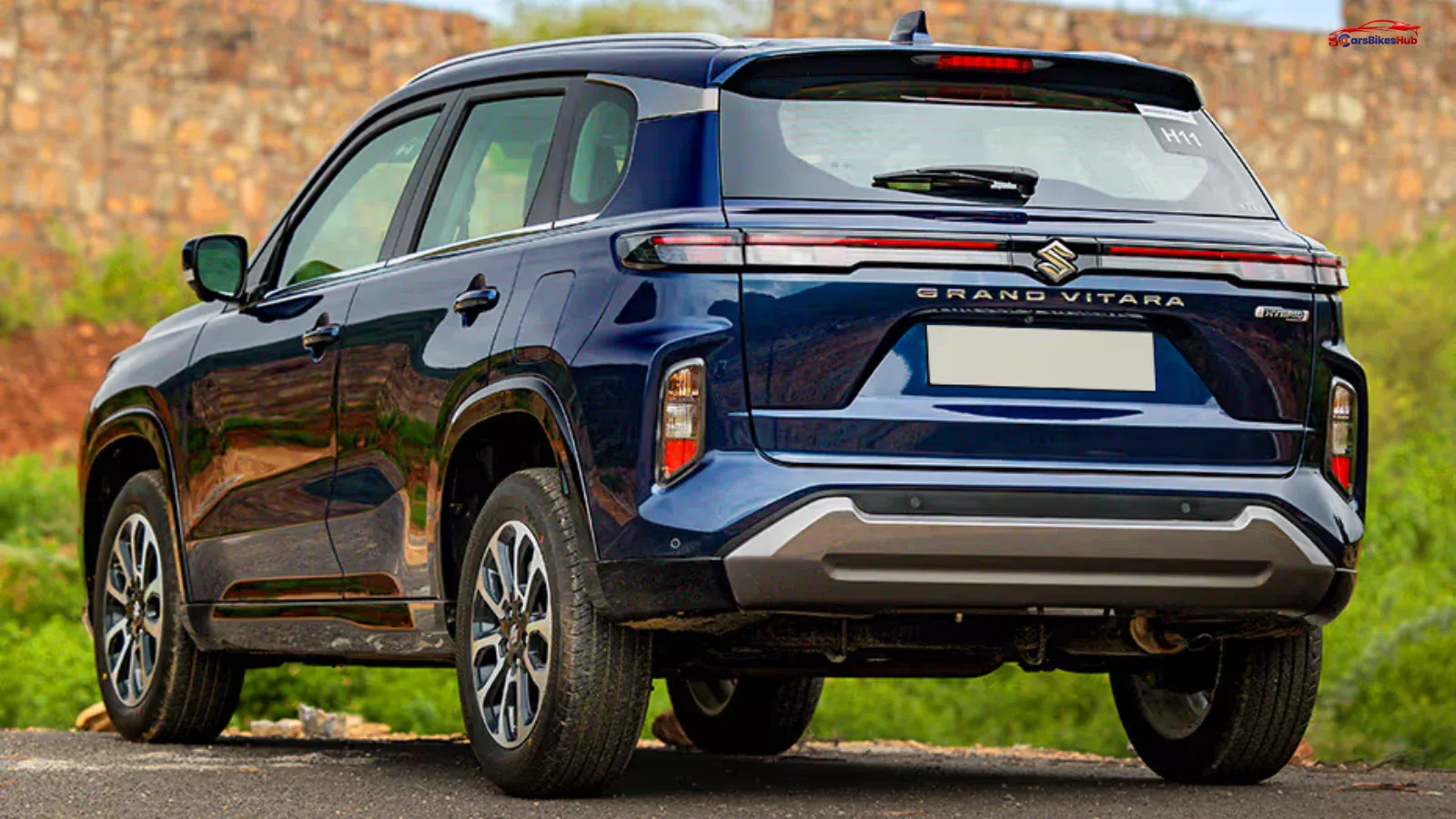
The Grand Vitara wears Maruti’s “crafted futurism” design language, a large chrome-slat grille, split LED headlamps, and a floating-roof effect at the rear created by blacked-out pillars. All variants get 16-inch wheels as standard, with the top-spec Alpha and Alpha+ trims stepping up to 17-inch diamond-cut units.
In everyday use, what buyers actually notice is the road presence at traffic signals and in parking lots; it doesn’t look as aggressive as the Hyundai Creta or as chunky as the Kia Seltos, but it has a clean, mature stance that ages well. Dual-tone paint is available on the higher Zeta, Alpha, and Alpha+ trims, giving the cabin-forward silhouette a slightly premium look without shouting for attention.
Interior & Practicality
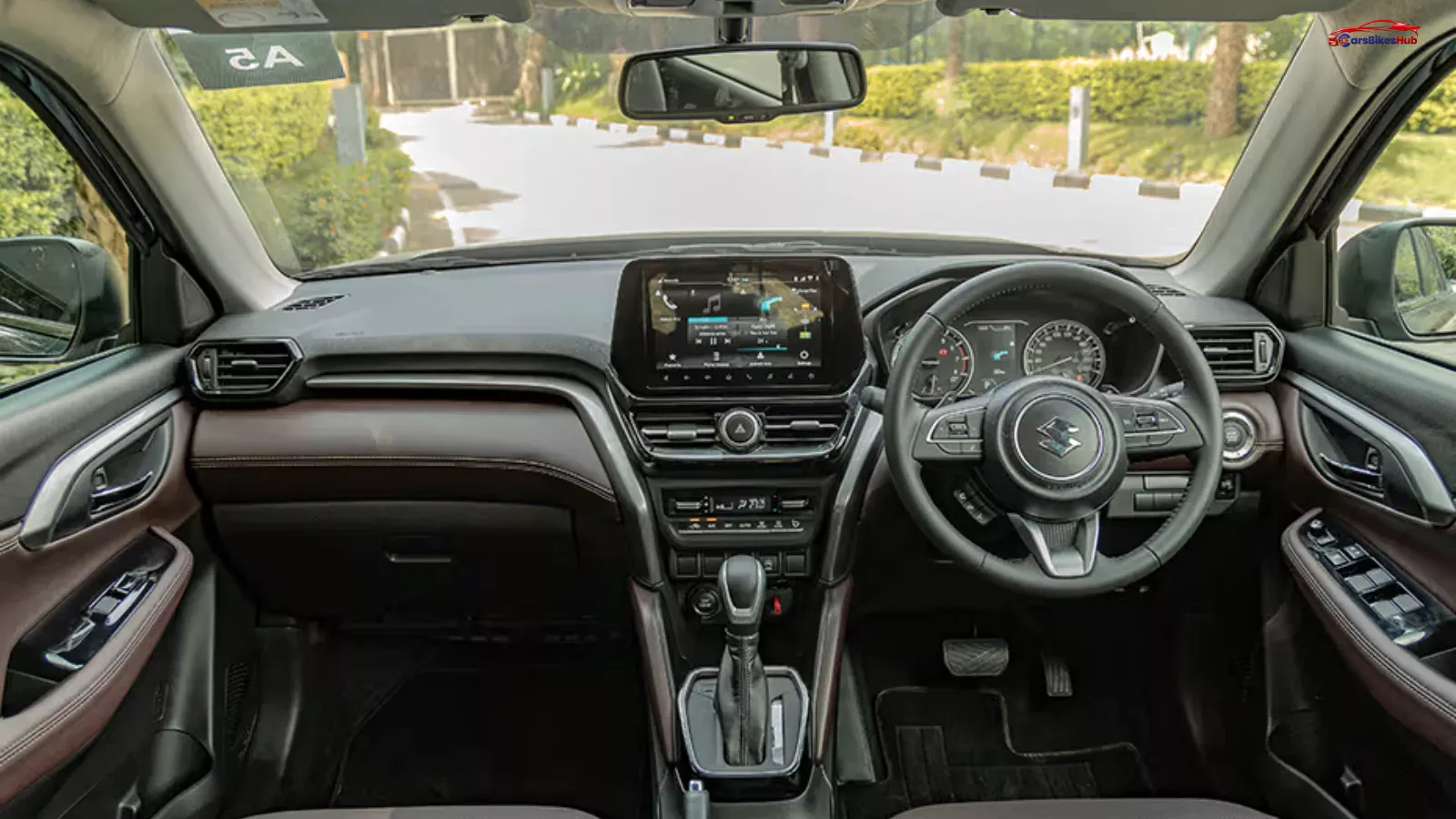
Step inside and the dashboard layout will feel instantly familiar if you’ve sat in a recent Baleno or Brezza; Maruti has clearly carried over its design language rather than reinventing the cabin. Materials are a mixed bag: soft-touch sections up top, harder plastics lower down, and champagne-gold accents that lift the otherwise all-black theme.
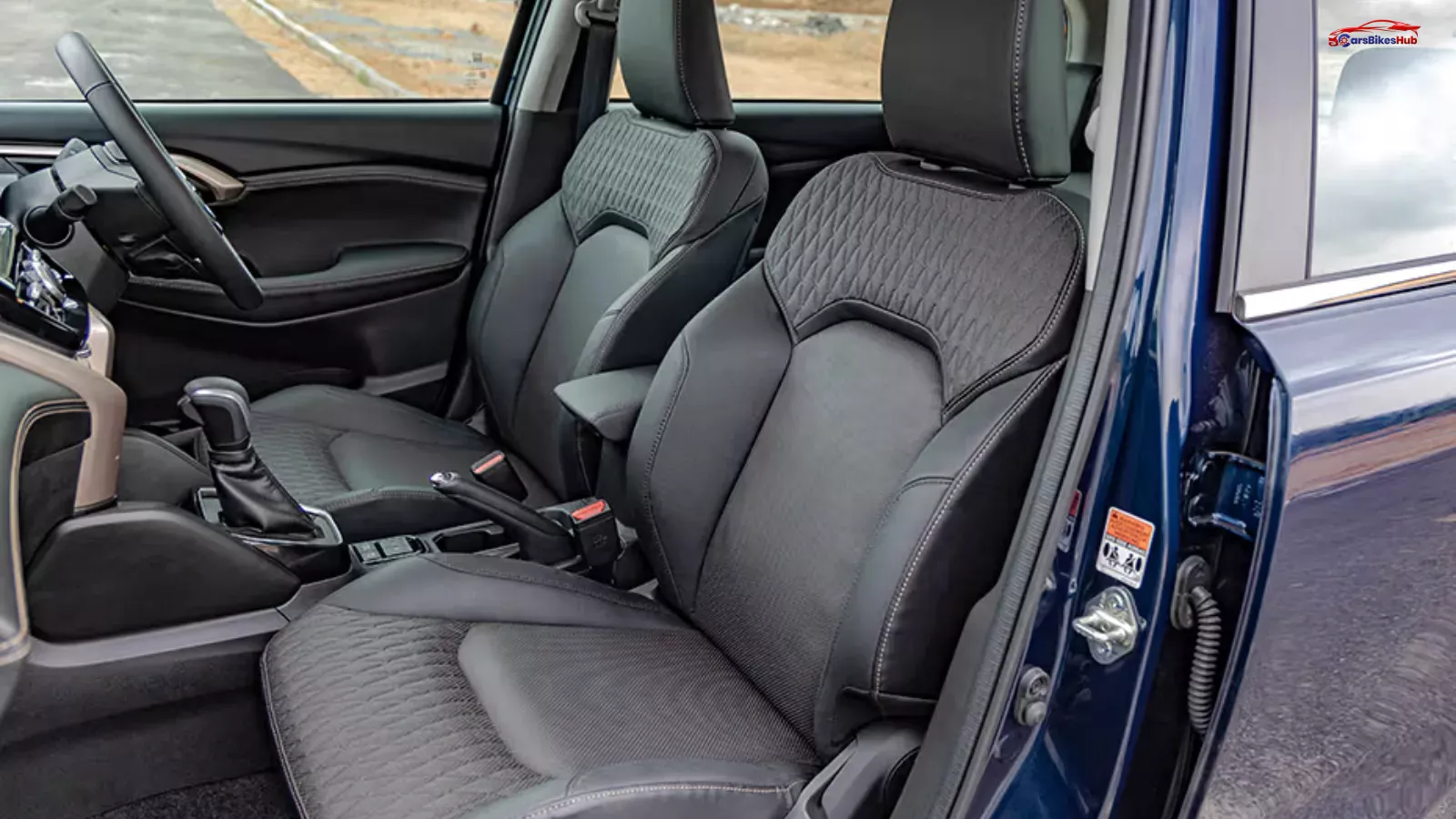
Where the Grand Vitara genuinely earns its price is space. The 2,600 mm wheelbase translates into good rear-seat legroom and under-thigh support for a car in this segment, and the reclining rear backrest is a small but appreciated touch on long drives. Boot space, however, depends heavily on which powertrain you choose: the mild-hybrid petrol gets a generous 373 litres, while the strong hybrid drops to 265 litres because its battery pack sits beneath the boot floor and it also eats into spare-wheel accessibility.
Does it feel premium enough for its price? For the mid-variants, yes, the equipment list justifies the asking price. At the top end, though, some owners note cabin rattles and an infotainment system that isn’t always as slick as segment-best rivals.
Does it feel worth ₹20 lakh at the top end? This is a fair question once you’re looking at the Alpha+ strong hybrid, which brushes up against ₹20 lakh on-road. The feature list at that price is genuinely strong, but the cabin material quality doesn’t quite feel like a ₹20-lakh car next to some rivals. You’re paying largely for the hybrid tech and equipment, not for a noticeably richer-feeling interior.
Engine Options & Hybrid System
This is where most buyers get confused, so here’s the plain-language version:
Smart Hybrid (mild hybrid): This is essentially a regular 1.5-litre petrol engine (103 PS, 137 Nm) with a small electric motor and battery that assist during acceleration and stop-start driving. It never drives on electric power alone. It’s smooth, predictable, and available with either a 5-speed manual or 6-speed automatic, and it’s the only version offered with AWD.
Strong Hybrid: Built around Toyota’s hybrid system, this combines the 1.5-litre Atkinson-cycle petrol engine with a larger battery and electric motor for a combined output of around 116 PS. Crucially, it can run in EV-only mode for short bursts, crawling out of a parking spot or moving slowly in traffic, before the petrol engine seamlessly kicks back in. It’s only offered with an e-CVT automatic, and it’s front-wheel-drive only.
In city driving, the strong hybrid feels noticeably calmer, especially in bumper-to-bumper traffic where the electric motor does more of the work. On the highway, both powertrains are adequately refined for cruising, though overtaking requires some planning; this isn’t a car built for quick bursts of acceleration. Refinement is a strong point overall; engine noise stays well contained at city speeds, with some coarseness creeping in only under hard acceleration.
Real-World Mileage
This is the section most buyers actually care about, so let’s separate claim from reality.
Claimed (ARAI) figures: 19.2–21.11 kmpl for the petrol variants, and up to 27.97 kmpl for the strong hybrid.
Real-world expectations, based on owner-reported experiences and long-term test data:
- Petrol (Smart Hybrid), city driving: roughly 13–16 kmpl, depending on traffic and AC use
- Petrol, highway: roughly 16–19 kmpl at steady cruising speeds
- Strong Hybrid, city driving: roughly 20–23 kmpl; this is where the hybrid system earns its keep, since regenerative braking and EV-only crawling both work best in stop-start conditions.
- Strong Hybrid, highway: roughly 21–24 kmp; the gap to city mileage narrows because the electric motor contributes less at sustained speed.
Regenerative braking on the strong hybrid tops up the battery every time you slow down, which is part of why its city mileage often rivals or beats its highway figure, the opposite pattern from a conventional petrol car.
If most of your driving is short, stop-start city commutes, the strong hybrid’s real-world advantage over the mild hybrid is significant. If you mostly drive long highway stretches, the gap narrows enough that the price premium deserves more thought.
Features That Actually Matter
Rather than a spec dump, here’s how the equipment list actually improves ownership:
- 360-degree camera genuinely reduces parking stress and low-speed scrapes, especially useful given the strong hybrid’s compromised rear visibility
- Head-up display keeps your eyes on the road during highway drives, reducing the temptation to glance down at the instrument cluster.r
- Ventilated seats a real comfort upgrade for Indian summers, especially on long drives
- Panoramic sunroof more of a lifestyle feature than a functional one, but a strong factor in the buying decision for many Indian families
- Wireless Android Auto and Apple CarPlay remove cable clutter and make daily connectivity effortless.
- Connected car features (Suzuki Connect) remote AC, vehicle tracking, and geofencing add a layer of convenience and peace of mind, particularly for households with a shared car
Safety
All Grand Vitara variants now come with 6 airbags as standard, along with ABS with EBD, electronic stability programme (ESP), hill-hold assist, and ISOFIX child-seat mounts. The 360-degree camera further supports low-speed manoeuvring safety.
What the Grand Vitara does not offer is an ADAS suite (adaptive cruise, lane-keep assist, forward collision warning), a feature that some rivals in the segment have begun offering. It has also not yet been crash-tested by an independent agency like Global NCAP or Bharat NCAP, so an official safety rating isn’t currently available. For buyers who weigh star ratings heavily in their decision, this is worth factoring in.
Ownership Experience
Service costs: Maruti’s routine service costs remain among the most competitive in the segment, and the brand’s five-year extended warranty options (available on Smart Hybrid AWD and Strong Hybrid variants) add peace of mind for long-term owners.
Service network: This remains the Grand Vitara’s biggest ownership advantage; even in smaller towns, finding a Maruti service centre and genuine parts is rarely difficult, unlike some competitor brands with sparser networks.
Reliability: Owner feedback broadly points to dependable mechanics, particularly on the well-proven petrol engine. The hybrid system, being newer technology, has a shorter ownership track record in India but benefits from Toyota’s hybrid engineering pedigree, which has a strong global reliability history.
Hybrid battery and component warranty: Maruti backs the strong hybrid’s battery and key hybrid components with extended coverage as part of its warranty packages; buyers should confirm the exact current terms (typically running well beyond the standard 3-year base warranty) with their dealer at the time of purchase, as coverage details can be revised.
Spare parts: Being a high-volume model, parts availability and pricing remain reasonable compared to less-established rivals.
Resale value: Maruti’s widespread service network and brand reputation generally support strong resale values across its line-up. That said, hybrid variants are still a relatively new proposition in the used-car market, so resale demand for the strong hybrid may track differently from the more familiar petrol variant depending on how buyer appetite for hybrids evolves.
Who Should Buy the Maruti Grand Vitara?
- Families who prioritise cabin space, ride comfort, and a manageable running cost over outright performance
- City commuters with long daily traffic exposure, who will benefit most from the strong hybrid’s EV-only crawling ability
- Buyers prioritising mileage above most other considerations
- Long-term owners who value a wide service network and predictable maintenance costs over the ownership period
- First-time SUV buyers who want reassurance from a familiar, high-volume brand rather than a niche or newer nameplate
Who Should Skip It?
- Performance enthusiasts looking for quick acceleration or an engaging drive; the Grand Vitara is tuned for efficiency, not excitement.
- Buyers wanting a turbocharged driving experience: rivals with turbo-petrol engines offer noticeably stronger in-gear performance.
- Off-road-focused buyers:s while the AWD variant handles light off-roading and slush competently, this isn’t built as a serious off-roader
- Safety-rating-conscious buyers who need an official NCAP crash-test score before purchasing
Final Verdict
The Grand Vitara isn’t trying to be the most exciting SUV in its class, and it doesn’t need to be. It succeeds where it matters most to the average Indian family buyer: fuel efficiency, ride comfort, cabin space, and the reassurance of a dealer network that won’t leave you stranded looking for spare parts.
It suits buyers who commute daily in traffic-heavy cities and want the strong hybrid’s electric-assist mileage advantage, as well as families who prioritise predictable running costs over outright driving thrills. It’s a less natural fit for buyers chasing performance, the latest ADAS tech, or an official crash-test rating; ng, those buyers may be better served by a rival with a turbo-petrol engine or a more feature-forward safety suite.
If fuel efficiency, long-term ownership costs, and day-to-day practicality matter more to you than outright performance, the Grand Vitara remains one of the smartest midsize SUVs you can buy. It won’t suit every driver, but for the right buyer, it’s a difficult package to overlook.


FAQs
Which Grand Vitara variant is the best value for money?
For most buyers, the Zeta or Delta trim in either powertrain strikes the best balance of features and price, without paying a premium for top-end extras.
Is the Strong Hybrid worth the extra money over the Smart Hybrid?
If most of your driving is city-based stop-start traffic, yes, the fuel savings add up meaningfully over ownership. If you drive mostly highway, the payback period stretches out considerably.
What mileage does the Grand Vitara deliver in real life?
Expect roughly 14–16 kmpl in the city and 17–19 kmpl on the highway for the petrol variant, and roughly 20–24 kmpl across both conditions for the strong hybrid.
Is the Grand Vitara expensive to maintain?
No, Maruti's routine service costs are among the more affordable in the segment, helped by wide parts availability.
Does the Grand Vitara have ADAS?
No, it currently does not offer an ADAS suite.