
























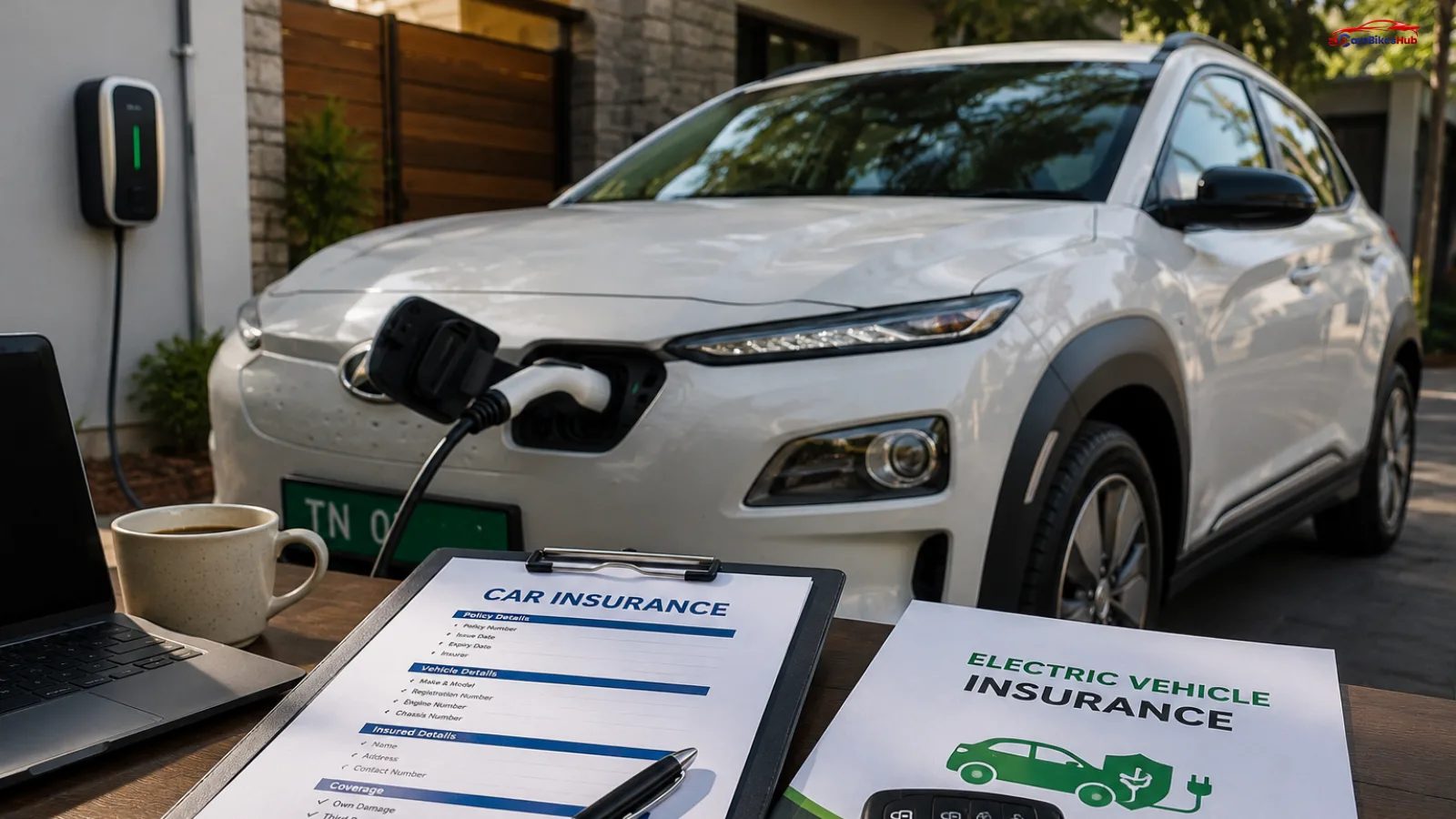
Choosing an electric car is only the first step. Choosing the right EV insurance policy is just as important, yet it’s one of the most overlooked parts of EV ownership.
As more Indians switch to electric vehicles, insurance has become one of the most misunderstood parts of EV ownership. Most first-time EV buyers assume insurance works exactly like it does for a petrol or diesel car. It doesn’t. The battery changes the maths, charging equipment adds a new grey area, and the add-ons that actually matter for an EV are different from the ones a petrol car needs.
This article walks you through EV insurance in India the way it actually works today, not the way a policy brochure explains it. We’ll cover what’s covered, what isn’t, which add-ons are worth the extra premium, and which policy suits which kind of EV owner.
Quick Overview
| Question | Short Answer |
| Is EV insurance mandatory? | Yes, third-party cover is legally required. Comprehensive is optional but strongly recommended. |
| Is the battery covered? | Only partially, by default. Accident and fire damage, yes. Water ingress and charging surges, usually no, unless you add Battery Protection. |
| Is charging equipment covered? | Not under standard motor insurance. Needs a separate add-on or home insurance. |
| Third-party cover | Mandatory, price fixed by IRDAI, doesn’t cover your own EV. |
| Comprehensive cover | Covers your own EV plus third-party liability. Recommended for every EV owner. |
| Zero depreciation | Strongly recommended, especially in year one to three, given how expensive EV parts are. |
| Return to invoice | Useful for expensive EVs, protects against theft or total loss. |
| Roadside assistance | Worth having, since EV breakdowns often need a flatbed tow, not a regular one. |
| Best policy type | Comprehensive with Battery Protection and Zero Depreciation for most buyers. |
| Should buyers get add-ons? | Yes, at least Battery Protection and Zero Depreciation. Skip the rest unless your usage justifies it. |
What Is EV Insurance?
EV insurance is motor insurance built for electric vehicles. It works on the same legal foundation as petrol car insurance under the Motor Vehicles Act, 1988, but the risk profile underneath is different. A petrol car’s most expensive component is the engine, and engines can usually be repaired. An EV’s most expensive component is the battery pack, and depending on the manufacturer and the extent of the damage, repair can mean anything from replacing a single module to replacing the entire pack, with whole-pack replacement still being the more expensive and more common outcome in serious accidents. That single difference is why EV insurance needs a slightly different shopping list.
Here’s what that looks like in practice. Say you’ve just bought a Hyundai Creta Electric and you drive through a heavily waterlogged street during the monsoon. Whether your insurer pays for any resulting battery damage often comes down to one thing: whether you’d added a Battery Protection cover at the time of buying the policy. Without it, you could be arguing over a claim instead of simply filing one.
Is EV Insurance Different from Petrol Car Insurance?
| Factor | Petrol Car | Electric Vehicle |
| Most valuable part | Engine (repairable) | Battery pack (often replaced, not repaired) |
| Third-party premium | Standard IRDAI rate | Discounted, since EVs are treated as lower-risk on the road |
| Own damage premium | Lower, since parts are cheaper and widely available | Usually higher, because the battery pushes up the vehicle’s insured value and EV-specific parts cost more to source |
| Repair network | Wide, every town has a mechanic | Narrower, fewer garages have EV-trained technicians and high-voltage tools |
| Claim complexity | Straightforward for most repairs | Battery-related claims need documentation on cause: accident versus water ingress versus manufacturing defect. |
| PUC certificate | Mandatory | Not required, since EVs have no tailpipe emissions |
The third-party portion of your premium is fixed by IRDAI and has carried a 15% discount for private electric cars since the rule was introduced, so that part of your bill is genuinely cheaper than a petrol car’s.
The own damage portion tells a different story. Because the battery makes up roughly 40 to 60% of an EV’s on-road price, your Insured Declared Value is higher than a similarly sized petrol car, and a higher IDV means a higher own damage premium.
On top of that, EV repairs cost more because certified EV garages and genuine parts are still limited in most Indian cities. Add it up, and comprehensive EV insurance typically works out more expensive overall than a petrol equivalent, even though the third-party portion is cheaper. Don’t assume “electric equals cheaper insurance” when comparing quotes. It isn’t, once you look at the full comprehensive premium.
Does EV Insurance Cover the Battery?
This is the section most buyers get wrong, so let’s be precise about it.
Covered by standard comprehensive insurance
- Battery damage from a road accident or collision
- Fire and explosion damage to the battery
- Theft of the vehicle, including the battery as part of the vehicle
- Damage from natural calamities like floods, cyclones, and landslides, as a standard motor insurance peril, though insurers can dispute whether the damage was truly weather-related versus negligence
Usually not covered by default
- Water ingress into the battery pack from driving through waterlogged roads (different from a declared flood event, and insurers often draw this distinction narrowly)
- Electrical surge damage during charging
- Gradual capacity loss or normal battery degradation, which falls under wear and tear, not insurance
- Manufacturing defects, which belong to the manufacturer’s battery warranty, not your insurance policy
Optional battery protection add-on
Most major insurers, including ICICI Lombard, HDFC ERGO, Tata AIG, and Bajaj Allianz, sell a Battery Protection or equivalent add-on that specifically fills the water ingress and charging surge gap. This typically adds a modest amount to your annual premium and is the single most useful EV-specific add-on you can buy.
If your EV is more than three years old, this becomes close to essential, since the manufacturer’s warranty coverage on some components starts thinning out with age even where the core battery pack still carries a long-term warranty.
EV Battery Warranty vs EV Insurance
Buyers often assume the battery warranty makes insurance for the battery unnecessary. It doesn’t. The two protect against completely different things.
| Situation | Covered By |
| Manufacturing defect in the battery cells | Warranty |
| Battery capacity drops below the manufacturer’s guaranteed threshold over time. | Warranty |
| Battery damaged in a road accident | Insurance (comprehensive, own damage) |
| Battery damaged by fire | Insurance |
| Battery damaged by flood or deep water | Insurance, if declared and proven as a flood/weather event |
| Battery damaged by a charging power surge | Insurance, only with a Battery Protection add-on |
| Battery stolen along with the vehicle | Insurance |
| Normal wear and tear, slow range loss with age | Neither. This is expected degradation, not a claimable event. |
Do you need both? Yes. Warranty protects you against the manufacturer’s mistakes. Insurance protects you against accidents, theft, fire, and weather. Letting your comprehensive insurance lapse because “the battery has an 8-year warranty anyway” is one of the costliest assumptions an EV owner can make, because the warranty won’t pay a rupee if your car is in an accident or gets flooded.
Types of EV Insurance Policies
Third-party only. Legally mandatory, covers injury or damage you cause to others, pays nothing toward your own EV or its battery. Cheapest option, but genuinely risky for an EV given how expensive a battery claim can be.
Comprehensive. Bundles third-party liability with own damage cover for your EV. This is what most EV owners should buy. It’s the only policy type that pays out if your own battery is damaged.
Standalone own damage (OD). Covers only your vehicle, bought alongside a separate third-party policy, usually when you already have TP cover from elsewhere or are switching insurers mid-term for the OD portion. Functionally similar protection to comprehensive for your own EV, just packaged differently.
Pay-as-you-drive. A newer, usage-based format where premium scales with kilometres driven, offered by a handful of insurers. Worth checking if you drive your EV mainly for short city trips and clock low annual mileage, since it can work out cheaper than a flat comprehensive premium.
Who suits what: a daily-driver family EV owner should default to comprehensive. Someone with very low annual mileage and an existing TP policy can explore standalone OD or pay-as-you-drive to save on premium. Third-party-only makes sense only if you’re financially prepared to absorb a lakh-plus battery repair bill out of pocket, which for most buyers, isn’t a real option.
EV Insurance Add-Ons That Are Actually Worth Paying For
Worth it for almost every EV owner
Battery Protection. Closes the water ingress and charging surge gap left open by standard comprehensive cover. Given that the battery is the single most expensive part of your car, this is the add-on to prioritise above all others.
Zero Depreciation. Without it, insurers deduct depreciation from every replaced part during a claim, and that deduction is steep on plastic and rubber components. On an EV, this also affects how much you recover on battery-adjacent parts. Especially valuable in the first three years of ownership when the vehicle’s value is highest.
Return to Invoice (RTI). If your EV is stolen or declared a total loss, standard comprehensive pays out the depreciated Insured Declared Value, not what you actually paid. RTI bridges that gap, covering the on-road price including registration and taxes. Worth it for buyers who financed a higher-end EV and would be underwater on the loan without it.
Roadside Assistance (EV-specific). A dead 12V battery, a flat tyre, or a genuine breakdown needs a flatbed tow for an EV, not a standard tow truck, because towing an EV on its driven wheels can damage the motor. Look specifically for an EV-aware RSA add-on rather than a generic one.
Charging Equipment Cover (where offered). Covers your charging cable and, in some policies, your home wallbox against damage or theft. Not universally available, but worth asking for specifically, since it isn’t part of standard cover.
Usually optional
Key replacement cover. Useful if your EV uses an expensive smart key or app-based digital key; otherwise skippable.
Consumables cover. Pays for small items like lubricants, nuts, and washer fluid during a claim repair. Minor value on an EV since there’s no engine oil to worry about, but still applies to brake fluid and coolant for the battery thermal system. Low priority unless you claim frequently.
Tyre protection. Generally not EV-specific. Consider only if you drive extensively on poor roads.
Does EV Insurance in India Cover Home Chargers?
Not by default, and this catches a lot of buyers off guard. Your motor insurance policy covers the vehicle. A home wallbox charger is a fixed electrical installation at your house, closer to an appliance than a car part, so standard motor insurance draws a line there.
- Charger damage from an electrical fault or fire: Not covered by motor insurance. May be covered by a Charging Equipment add-on if you’ve bought one, or by your home insurance policy if the fire originates from a wiring fault at your premises.
- Charger theft: Same as above; needs a specific add-on or falls under home insurance, not the car policy.
- Installation issues: Not an insurance matter at all; this is between you and your electrician or the OEM’s installation partner.
- Portable charging cable kept in the car: Some insurers extend basic theft cover to accessories carried in the vehicle, but this varies by policy, so confirm the wording rather than assuming.
If you’ve invested in a 7.2 kW home charging wallbox, it’s worth asking your insurer directly whether they offer a charger add-on, and separately checking whether your home insurance (if you have one) extends to electrical fixtures like this.
What Affects EV Insurance Premiums?
- Vehicle price and battery value. A higher-value EV means a higher Insured Declared Value, which directly raises your own damage premium.
- Battery capacity (kW rating). IRDAI’s third-party rate slabs are based on motor power in kW, so a more powerful EV pays a higher third-party premium even before you touch own damage.
- Location. Metro cities generally carry higher premiums than tier-2 towns, reflecting traffic density and claim frequency.
- Driver profile and claim history. Age, driving record, and past claims all factor into own damage pricing, same as for any car.
- No Claim Bonus (NCB). Claim-free years earn a discount that can reach a meaningful percentage off your premium at renewal, and this carries over even if you switch insurers.
- Coverage type and add-ons selected. Every add-on you stack increases premium, which is exactly why choosing add-ons deliberately instead of buying the entire menu matters.
How to Reduce Your EV Insurance Premium
- Compare quotes across insurers before renewal rather than auto-renewing with the same company. Own damage premiums for the same EV can differ noticeably between insurers.
- Skip add-ons you don’t need. Not every EV owner needs tyre protection or key replacement. Buy Battery Protection and Zero Depreciation, and evaluate the rest against your actual usage.
- Protect your No Claim Bonus. For small, low-value repairs, paying out of pocket instead of filing a claim can preserve a bonus that’s worth more over a few years than the claim itself.
- Set an honest Insured Declared Value. A lower IDV brings down the premium slightly, but it also lowers your payout on a total loss or theft claim. Don’t let an agent talk you into an artificially low IDV just to shave off a small amount of premium.
- Ask about telematics-based discounts. A few insurers now offer discounts tied to safe-driving data from connected car apps, worth checking if your EV has this feature built in.
- Renew directly with the insurer once you’ve compared quotes, since some insurers match aggregator pricing and throw in extras when you renew directly rather than through a broker.
Common Mistakes EV Buyers Make
- Assuming the battery warranty replaces the need for insurance. It doesn’t cover accidents, fire, theft, or flood damage, only manufacturing defects and degradation.
- Buying the cheapest comprehensive policy without checking for water ingress and charging surge gap. Standard cover often excludes exactly the kind of damage EVs are most exposed to during India’s monsoon.
- Skipping Zero Depreciation on a brand-new EV to save a small amount on premium, then facing a much larger deduction at claim time.
- Not reading exclusions before buying. Every insurer names its EV add-ons slightly differently, so the same-sounding cover can mean different things across two policies.
- Towing the EV incorrectly after a breakdown, which can itself cause motor damage and complicate a later claim if it isn’t done on a flatbed.
- Under-insuring to save on premium, then discovering the payout on a total loss doesn’t come close to replacing the vehicle.
Which Insurance Should Different EV Buyers Choose?
Tata Tiago EV / other budget hatchback EVs. Lower battery replacement cost relative to premium SUVs, so comprehensive with Battery Protection is usually enough. Zero Depreciation is a nice-to-have here rather than essential, given the lower repair costs involved.
Tata Nexon EV. A higher-value battery pack makes Battery Protection and Zero Depreciation both worth prioritising. If you’ve financed the car, consider Return to Invoice as well.
MG Windsor EV. Since MG sells the Windsor under a Battery-as-a-Service model in some variants, where the battery itself is rented rather than owned outright, check with both MG and your insurer on how the battery is treated in a claim: the rental provider may carry separate protection on the pack itself, which changes what your own comprehensive policy needs to cover. Don’t assume standard EV insurance logic applies unchanged here.
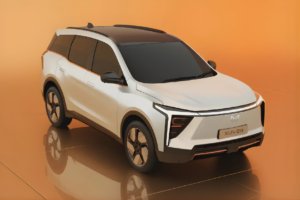
Mahindra XEV 9e. A premium SUV with a large battery pack, this is a clear case for the fuller add-on stack: Battery Protection, Zero Depreciation, and Return to Invoice, given the higher replacement cost if the battery is damaged outside warranty terms.
Hyundai Creta Electric. Sits in the upper mid-size SUV bracket with a correspondingly higher IDV. Comprehensive with Battery Protection and Zero Depreciation is the sensible baseline, and Return to Invoice is worth adding if you’re financing the purchase.
Final Verdict
For most Indian EV buyers, comprehensive insurance with Battery Protection and Zero Depreciation isn’t optional in any practical sense, even though the law only requires third-party cover. The battery is too large a share of your EV’s value, and the gaps in standard comprehensive cover- water ingress and charging surge damage specifically- sit right in the middle of the risks EVs actually face on Indian roads.
Third-party-only insurance might save you money every year, but a single battery claim can cost several times what you saved. Treat your battery warranty and your insurance policy as two separate, non-overlapping safety nets, not substitutes for each other, and choose add-ons based on your specific EV’s battery value rather than buying every option on the list.
The cheapest EV insurance policy is rarely the best value. Choosing the right cover today could save you lakhs in repair costs if something goes wrong tomorrow.



FAQs
Is EV insurance more expensive than petrol car insurance?
The third-party portion is cheaper, thanks to a 15% IRDAI discount for electric private cars. The own damage portion is usually higher, because the battery raises the vehicle's insured value and repairs cost more. Overall, comprehensive EV insurance tends to work out pricier than a comparable petrol car's.
Does insurance cover battery replacement?
Only when the damage results from an insured event like an accident, fire, or a declared flood. Gradual degradation and manufacturing defects are not insurance matters; they fall under the battery warranty.
Is battery degradation covered by insurance?
No. Degradation is treated as normal wear and tear and is excluded from every standard motor insurance policy. It's a warranty matter, not an insurance one.
Which add-ons should I buy for my EV?
At minimum, Battery Protection and Zero Depreciation. Add Return to Invoice if you've financed the vehicle, or it's a higher-value EV, and EV-aware Roadside Assistance if you don't already have reliable access to a flatbed tow service.
Is comprehensive insurance mandatory for EVs?
No, only third-party cover is legally mandatory. Comprehensive is optional, but strongly recommended given how expensive an uninsured battery claim can be.