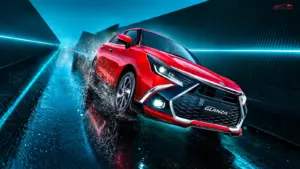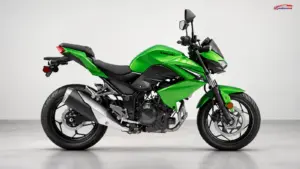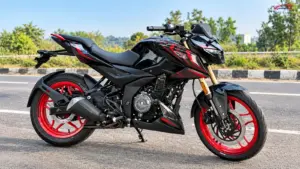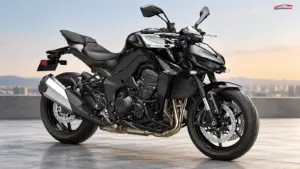






























As flex-fuel technology moves from motor-show display stands into real-world testing, with more manufacturers preparing flex-fuel models for the Indian market, many buyers have one recurring question: does flex fuel reduce engine’s life?
The short answer is: it depends entirely on whether your vehicle was built for it. A modern flex-fuel vehicle (FFV) running on high-ethanol fuel is not “damaging” itself; it’s doing exactly what its fuel system, sensors and ECU were engineered to handle.
A 12-year-old petrol hatchback with rubber fuel lines from a pre-E20 era, on the other hand, has genuine reasons to be cautious. This article separates the myths from the mechanics so you can make a confident, informed decision, whether you’re simply filling up with today’s E20 petrol or considering an actual flex-fuel car.
What Is Flex Fuel?
“Flex fuel” doesn’t refer to one specific fuel; it refers to a vehicle’s ability to run on a range of petrol-ethanol blends without you having to do anything differently at the pump.
- Ethanol is a plant-derived alcohol, made in India mainly from sugarcane, maize and surplus grain, and blended into petrol as a cleaner-burning, partly renewable substitute for imported crude.
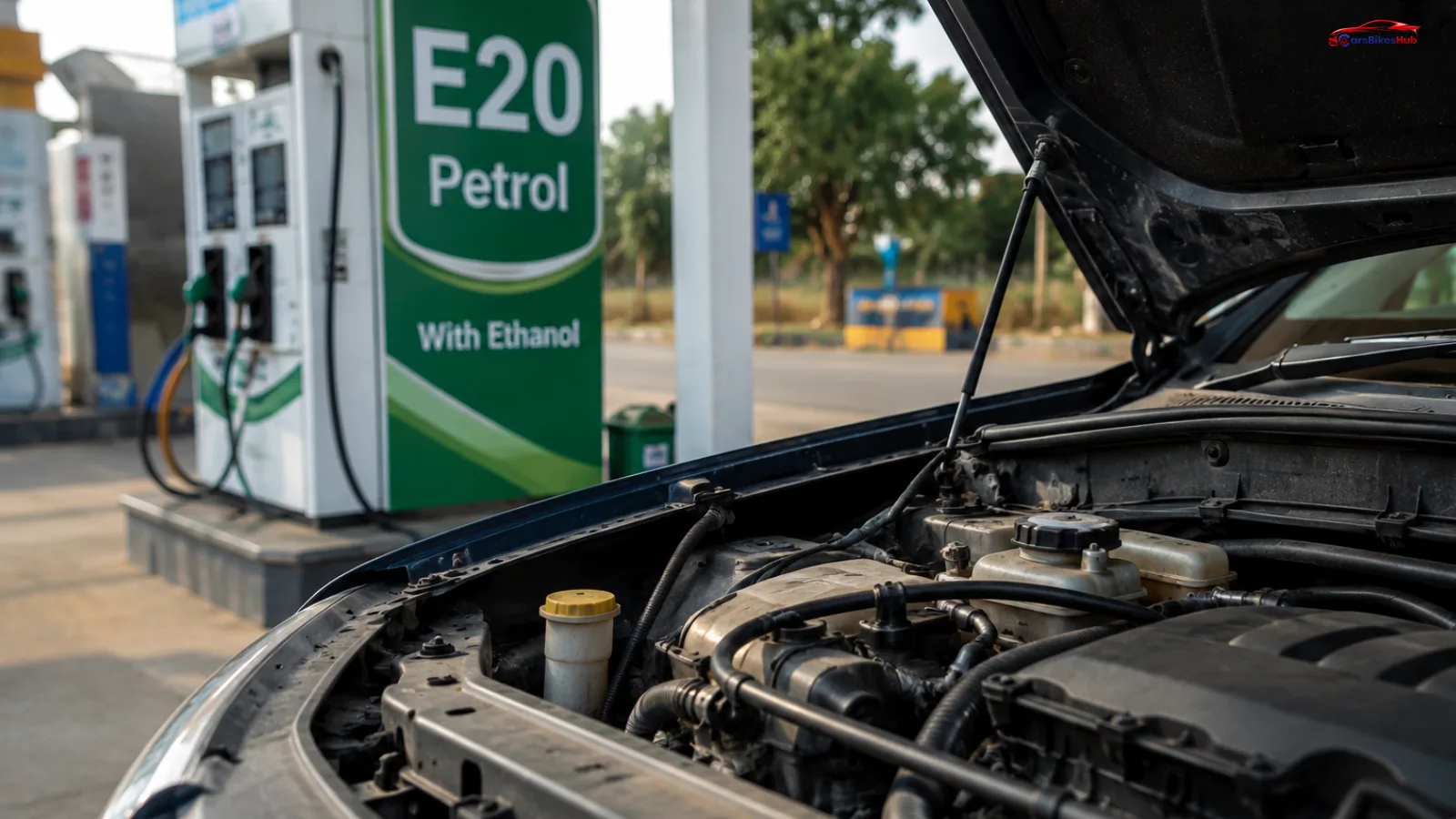
- E10 / E20 refers to petrol containing 10% or 20% ethanol. This is what almost every car in India already runs on; it isn’t optional, and it isn’t a “flex fuel car” feature.
- E85 is 85% ethanol, 15% petrol, a high-ethanol blend that only purpose-built flex-fuel vehicles can safely use.
- E100 is close to pure ethanol, used in a handful of hybrid flex-fuel prototypes shown by Toyota and others.
- A flex-fuel vehicle (FFV) is a car or bike built with an ethanol-tolerant fuel system and a smart ECU that senses whatever blend is in the tank, anywhere from regular petrol up to E85 or E100, and automatically adjusts ignition timing and fuel delivery to suit it.
In short: E20 is the fuel almost everyone already uses. Flex fuel is the vehicle technology needed to safely use much higher ethanol concentrations.
Flex Fuel vs E20: What’s the Difference?
This is the single most common point of confusion among Indian buyers, so it’s worth laying out clearly.
| E20 Petrol | Flex-Fuel Vehicle (FFV) | |
| What it is | A fuel standard (20% ethanol, 80% petrol) | A vehicle capability |
| Who uses it | Virtually every petrol vehicle sold in India today | Only specific models designed for it |
| Ethanol range supported | Fixed at ~20% | Variable, typically E20 to E85, some up to E100 |
| Availability | Sold at nearly all fuel stations nationwide | High-ethanol blends (E85+) available at very limited pumps so far |
| Ownership impact | Minimal for vehicles made after roughly 2023; older vehicles may need minor part upgrades | Designed from the factory for ethanol tolerance, no special care needed |
If you drive a car bought in the last two to three years, you are almost certainly already an “E20 owner” without having made any special decision. Flex-fuel ownership is a separate, bigger step; it means buying a vehicle specifically engineered to run on much higher ethanol content.
Why Do People Think Flex Fuel Damages Engines?
The worry isn’t baseless; it comes from real chemistry, just often applied to the wrong vehicles.
- Moisture absorption: Ethanol is hygroscopic, meaning it can absorb small amounts of water from the air. In fuel systems not designed for it, this can lead to phase separation and corrosion inside the tank or lines over long periods.
- Corrosion of metal parts: Ethanol can be mildly corrosive to certain untreated metals and older aluminium alloys used in fuel systems from decades ago.
- Rubber and seal degradation: Older rubber compounds in fuel hoses, gaskets and injector seals can harden, crack or swell when exposed to high ethanol content over time.
- Lower energy density: Ethanol carries roughly a third less energy per litre than petrol, which is where mileage concerns come from; this is a running-cost issue, not a durability one.
These are all genuine engineering considerations. The key nuance buyers miss is that manufacturers already account for these issues in any vehicle certified for E20 or built as an FFV; they use ethanol-resistant seals, coated fuel lines, revised injectors and corrosion-resistant tank linings specifically to neutralise these risks.
Does Flex Fuel Reduce Engine Life?
A genuine FFV isn’t just a regular engine wearing a badge; several systems are specifically engineered for it:
- Ethanol content sensors continuously read the exact petrol-ethanol ratio in the tank.
- ECU remapping adjusts ignition timing and air-fuel ratio in real time based on that reading, since ethanol burns differently and has a higher octane rating than petrol.
- Reinforced fuel injectors are sized and coated to handle ethanol’s slightly different flow and solvent properties.
- Corrosion-resistant fuel lines and tank coatings prevent the moisture-absorption issues mentioned earlier.
- Revised valve seats, piston rings and spark plugs in some designs, such as Toyota’s Innova Hycross flex-fuel prototype, are adapted for ethanol’s combustion characteristics and water tolerance.
Why should a buyer care about this plumbing detail? Because it explains why the myth-vs-reality gap exists. The “damage” concerns you read about online are almost always describing what happens when ethanol meets a fuel system that lacks these adaptations, not what happens in a vehicle that has them.
Does Flex Fuel Affect Mileage?
Yes, to a modest but real degree, and this is arguably the more relevant everyday concern for buyers, not “damage.”
Ethanol contains less energy per litre than petrol, so as ethanol content rises, fuel efficiency typically drops somewhat unless the engine is specifically tuned to compensate. India’s petroleum ministry has noted that E20 fuel also brings some offsetting benefits: a higher octane rating (around RON 95 versus regular petrol’s RON 91) that improves anti-knock performance, along with better heat-of-vaporisation properties that can aid combustion efficiency.
In real-world ownership, expect a mild dip in mileage with higher ethanol blends rather than a dramatic one, and remember that ethanol-blended fuel is also priced to reflect this; for instance, pilot E85 pumps in Delhi have been pricing the fuel notably lower per litre than standard E20 petrol, partly to offset the reduced range per tank.
Maintenance & Ownership Costs
- Servicing: No major change in service intervals for E20-compatible vehicles. For genuine FFVs, ethanol-specific components are designed to match standard service schedules.
- Engine oil: No special ethanol-specific oil grade is required for vehicles certified to run on these blends; stick to what your manufacturer recommends.
- Fuel system parts: Older vehicles may, once in their lifetime, need certain rubber seals or gaskets replaced slightly earlier than they otherwise would have, a routine, inexpensive job at any authorised service centre.
- Long-term reliability: No credible evidence points to increased failure rates in engines certified for the ethanol blend they’re running.
- Warranty: Using government-mandated E20 fuel does not affect a vehicle’s warranty or insurance validity in India, since it is the standard fuel supply nationwide.
Maintenance costs for a compatible vehicle are, in practice, close to identical to running on pure petrol, the exception being the rare, one-time seal replacement on older cars.
Advantages of Flex Fuel
- Cleaner combustion: Ethanol-blended fuel burns more completely, which can translate to smoother running and fewer combustion deposits over time.
- Higher octane performance: Higher ethanol content raises the fuel’s octane rating, which can improve throttle response and reduce knocking in engines tuned to use it.
- Lower tailpipe emissions: Government estimates suggest E20 cuts carbon emissions by roughly 30% compared to E10.
- No new infrastructure needed: Unlike EVs, flex-fuel vehicles use the same three-minute refuelling experience buyers already know.
- Reduced import dependence: India imports the large majority of its crude oil; ethanol blending substitutes a meaningful share of that with domestically produced fuel.
- Support for farm incomes: The ethanol programme has channelled substantial payments to sugarcane and grain farmers across states like Uttar Pradesh, Maharashtra and Karnataka.
Disadvantages of Flex Fuel
- Limited availability of high blends: E85 is currently sold at only a handful of pilot pumps, mainly in Delhi, making genuine FFV ownership impractical in many cities today.
- Slightly lower mileage per litre due to ethanol’s lower energy density, unless offset by other efficiency gains.
- Compatibility concerns for older vehicles: Cars from before the ethanol-blending era may need minor, one-time part replacements.
- Price parity isn’t fully there yet: Industry voices have pointed out that for E85 to make economic sense against the mileage penalty, it needs to be priced meaningfully lower than petrol, a gap that isn’t consistently large enough yet to offset the reduced range per tank.
Should Indian Buyers Be Worried?
Buy a flex-fuel vehicle if:
You live somewhere with access to high-ethanol pumps (currently limited to select pilot cities), you want to be an early adopter of a genuinely future-ready and rural-friendly clean-fuel technology, and you’re comfortable with a still-maturing fuel distribution network.
Don’t worry if:
You simply drive a regular petrol car bought in the last few years and fill up at any normal pump; you’re already using E20 fuel today, and it carries no meaningful engine-life risk for a compatible vehicle.
Avoid using higher ethanol blends if:
You own an older vehicle not certified for E20 or higher, or if you’re considering experimenting with E85 in a car that isn’t a factory-built FFV.
What Actually Matters in Everyday Ownership?
- Fuel availability: High-ethanol blends aren’t at every pump yet, which matters more for FFV owners than “engine damage” ever will.
- Mileage: A modest, real drop in fuel efficiency with higher ethanol content.
- Driving habits and vehicle age: Older, uncertified vehicles carry genuinely higher risk with high-ethanol blends.
- Instant engine damage: There’s no credible evidence that using government-approved E20 fuel in a compatible vehicle causes sudden or dramatic engine failure.
- Massive repair bills: The realistic maintenance impact for most owners is a minor, inexpensive, one-time part replacement, not a major repair cycle.
- Engine failure from approved fuel: Fuel that meets national BIS specifications and is used in a vehicle certified for it is not a durability risk; manufacturers design specifically to prevent this outcome.
Final Verdict
Flex fuel, by itself, does not reduce engine life. The real determining factor is compatibility, not the fuel technology itself. If you drive a modern petrol car and fill up at any regular pump today, you’re already safely using E20; there’s nothing extra to worry about. If you’re considering an actual flex-fuel vehicle capable of E85 or E100, you’re buying into genuinely well-engineered technology, but one where practical factors like fuel-pump availability and price parity matter more right now than any durability risk.
The only group that should exercise real caution is owners of older, pre-ethanol-era vehicles experimenting with high-ethanol blends their fuel systems were never built for. For most Indian buyers, compatibility matters far more than ethanol itself. Choose the right vehicle for the fuel you intend to use, follow the manufacturer’s recommendations, and engine life shouldn’t be a concern.





FAQs
Does flex fuel reduce engine life?
Not in a vehicle designed for it. Engine life is only at risk when a high-ethanol blend is used in a vehicle that wasn't engineered to handle it.
Is E20 bad for engines?
No. E20 is now the standard fuel supply across India, and vehicles built for the Indian market in recent years are certified to run on it without issue.
Can I use flex fuel in my petrol car?
You can use E20 in virtually any recent petrol car without concern. You should not use E85 or E100 unless your vehicle is a certified flex-fuel model.
Does ethanol reduce mileage?
Yes, modestly, because ethanol carries less energy per litre than petrol, though this is partly offset by ethanol's higher octane rating and is factored into how these fuels are priced.
Are flex-fuel cars reliable?
Flex-fuel models from manufacturers like Maruti Suzuki and Toyota are engineered from the ground up with ethanol-tolerant components, so they are built to the same reliability standards as their regular petrol counterparts.