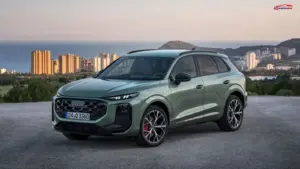
























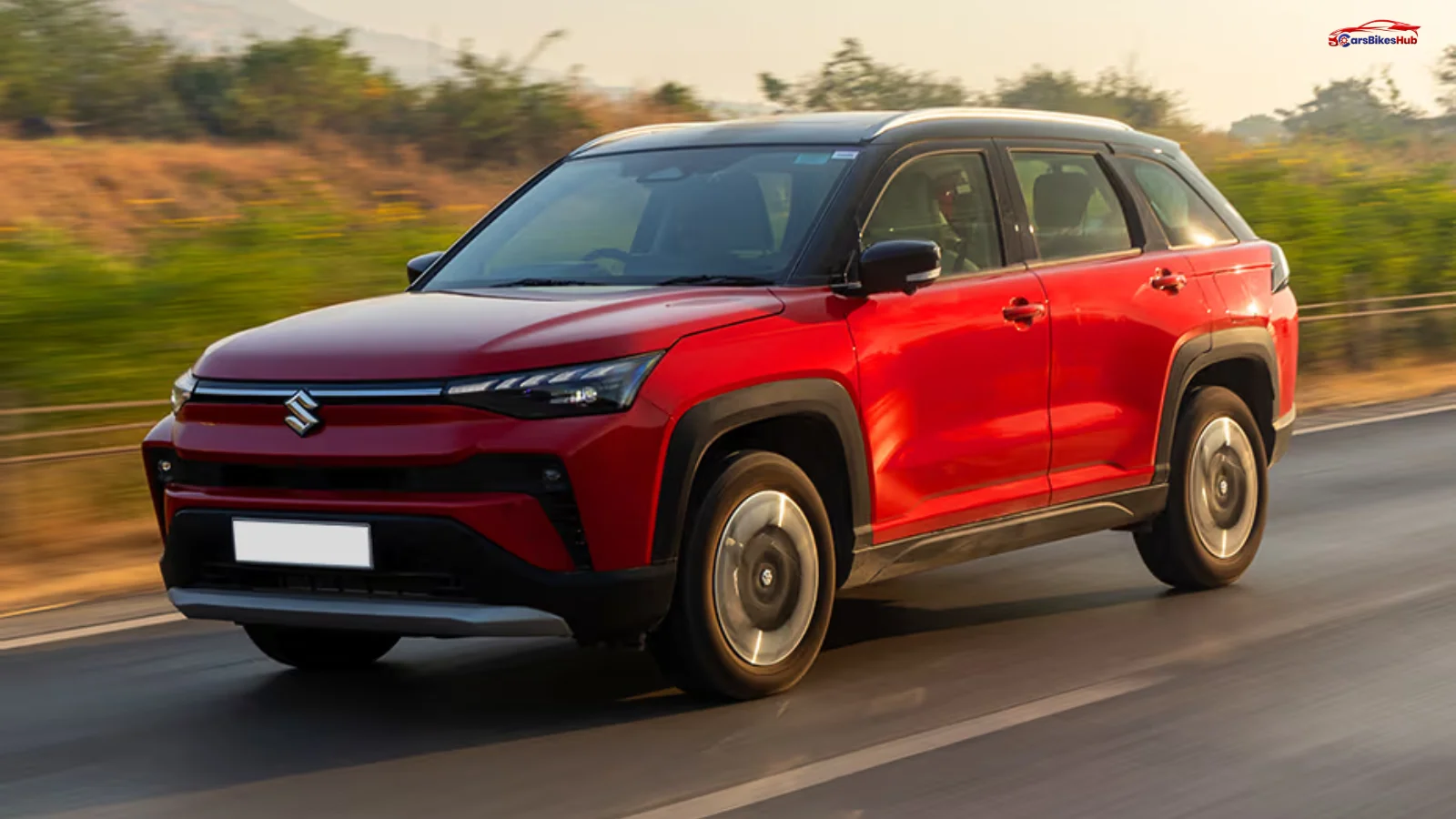
Maruti Suzuki has trimmed the prices of select Maruti Suzuki Victoris variants by up to Rs 38,900 (ex-showroom) for July 2026. Before you rush to the nearest Nexa Arena showroom, though, it’s worth understanding exactly which variants got cheaper, why this happened at a time when the Victoris is selling better than almost anything else in Maruti’s lineup, and whether it actually changes the car’s value proposition.
For most buyers, however, the change is smaller than the headline suggests, and knowing why will help you decide what to actually do at the dealership.
What’s Changed?
The revision is narrow. Only four variants are affected: the ZXi (O) manual, ZXi (O) automatic, ZXi Plus (O) manual and ZXi Plus (O) automatic, all naturally aspirated petrol trims. Each has dropped by Rs 38,900–39,000 (ex-showroom), bringing this quartet into a range of roughly Rs 14.08 lakh to Rs 17.77 lakh (ex-showroom).
Everything else is untouched. The LXi, VXi, and the regular (non-“O”) ZXi and ZXi Plus petrol trims carry no change at all, in either manual or automatic form. The CNG lineup is unchanged. And the Strong Hybrid range, arguably the Victoris’ halo powertrain, hasn’t moved either.
In practical terms: if you were already looking at the sunroof-equipped, higher-spec petrol trims, this is genuinely good news. If you were eyeing the base LXi, a CNG variant, or the Strong Hybrid, this price cut has nothing to do with you.
Variant-Wise Price Revision at a Glance
| Variant | Old Price (approx.) | New Price (approx.) | Difference |
| ZXi (O) MT | ₹14.47 lakh | ₹14.08 lakh | −₹38,900 |
| ZXi (O) AT | ₹15.63 lakh | ₹15.24 lakh | −₹38,900 |
| ZXi Plus (O) MT | ₹16.15 lakh | ₹15.77 lakh | −₹39,000 |
| ZXi Plus (O) AT | ₹18.16 lakh | ₹17.77 lakh | −₹39,000 |
Figures are ex-showroom and approximate; actual pricing varies slightly by city. LXi, VXi, standard ZXi/ZXi Plus, CNG and Strong Hybrid variants are unchanged and not listed here.
Why Did Maruti Suzuki Cut Prices on a Car That’s Selling Well?
This is the part that makes the story interesting. Normally, price cuts signal weak demand. That’s not the case here; the Victoris crossed the 1 lakh unit sales milestone within eight months of launch, reportedly faster than the Grand Vitara managed, and has been clocking over 10,000 units a month through 2026. It’s also comfortably the second best-selling car in its segment. A manufacturer doesn’t usually discount a car that’s already outselling most of its rivals.
A few explanations hold up better than others:
Variant-mix engineering, not a blanket discount. The cut is surgically targeted at the “(O)” petrol trims, the ones sitting just above the volume-selling standard ZXi/ZXi Plus grades but below the CNG and hybrid options. This looks less like “the car needs help” and more like Maruti nudging buyers who were on the fence between a regular ZXi and the sunroof-equipped ZXi (O) toward the pricier trim, without touching the base variants that already sell themselves.
Protecting petrol’s share against CNG and hybrid cannibalisation. CNG reportedly accounts for around half of Victoris bookings in some months, and the Strong Hybrid carries a hefty premium that not every buyer wants to pay. Making the top petrol trims a little more accessible keeps that powertrain competitive within Maruti’s own lineup, rather than losing every value-conscious buyer to CNG.
Competitive positioning, not distress. This is worth stating plainly: nothing in the public reporting points to inventory pile-up or slowing retail momentum for the Victoris. The more supportable read is that Maruti is fine-tuning where the car sits against the Creta, Seltos, and Hyryder at this specific price band, while demand for the model as a whole remains strong.
Which Victoris Variant Actually Offers the Best Value Now?
Best budget entry point: The LXi petrol-manual, still at Rs 10.50 lakh (ex-showroom), untouched by this revision. It’s a reasonably equipped base trim, though don’t expect the sunroof or ADAS here.
Best value pick after the price cut: The ZXi (O) manual petrol, now around Rs 14.08 lakh (ex-showroom). This is the variant where the sunroof, TFT cluster and higher-spec features start becoming standard, and the Rs 38,900 saving makes the jump from the regular ZXi feel more justified than it did a month ago.
Best automatic for city buyers: ZXi Plus (O) automatic petrol. You’re paying a premium over the manual, but you get the AllGrip Select AWD option, paddle shifters, and the fullest feature set on the petrol side, now slightly cheaper than before.
Best CNG option: The CNG lineup is unaffected by this update, so the calculus here is unchanged: go CNG if your annual running is high and you want the lowest fuel cost per kilometre, not because of this price revision.
Best Long-Term Value: The Strong Hybrid, purely on running costs and ARAI-claimed efficiency figures north of 28 kmpl. But since hybrid pricing didn’t change, this recommendation stands independent of the current news; don’t let the petrol price cut pull you toward a hybrid decision it has no bearing on.
Does the Price Cut Actually Change Your Decision?
For most shoppers, marginally, and only if you were already considering one of the four affected trims. A saving of roughly Rs 39,000 on a car in the Rs 14-18 lakh bracket is around 2.5-2.8% off the ex-showroom price. That’s meaningful money, but it’s not going to be the deciding factor between a Victoris and a Creta or Seltos on its own. It’s more likely to tip an already-close decision between two Victoris trims, regular ZXi versus ZXi (O), for instance, than to pull in buyers who weren’t considering the car at all.
Where it genuinely helps: buyers who wanted the sunroof-and-ADAS trim but were stretching their budget to get there. That Rs 39,000 could be the difference between comfortably affording the ZXi (O) and having to settle for the lower ZXi.
Price Cut vs Dealer Discounts, Don’t Confuse the Two
This is where a lot of readers get tripped up, and it’s worth being precise about it.
The Rs 38,900 cut is a revised ex-showroom price; it’s part of the car’s official sticker price and applies the same way at every dealership across the country.
Separately, Maruti Suzuki is also running dealer-level and corporate benefits on top of this: cash discounts, exchange bonuses, loyalty offers, and corporate discounts that reportedly total up to Rs 90,000 on Strong Hybrid variants, up to Rs 80,000 on CNG, and up to Rs 60,000 on mild-hybrid petrol trims this month.
These are not permanent; they vary by city and dealership, they’re subject to stock and target pressures, and they can disappear or shrink the following month without notice.
So when you’re negotiating: the price-cut variants are cheaper everywhere, permanently (until Maruti revises pricing again). The discount-heavy variants CNG and hybrid may look like they’re getting a bigger effective saving this month, but that saving isn’t locked in the way the ex-showroom revision is. Always ask your dealer to break down exactly how much is a permanent price change versus a time-bound offer before you sign anything.
Victoris vs Rivals: Where Does It Stand Now?
Hyundai Creta starts lower, around Rs 10.9 lakh (ex-showroom), and remains the segment’s default choice thanks to brand pull and resale value, but it skips a hybrid powertrain and an AWD option, both of which the Victoris offers. If you want the safest resale bet and don’t care about hybrid tech, Creta still makes a strong case.
Kia Seltos, starting close to Rs 11 lakh (ex-showroom), leans into design and a sportier feel, with a turbo-petrol option for buyers who want more punch than the Victoris’ naturally aspirated engines deliver. Choose Seltos if driving enjoyment matters more to you than outright efficiency.
Toyota Hyryder, mechanically a close cousin of the Victoris (they share Maruti’s platform and hybrid hardware), starts around Rs 11.3 lakh (ex-showroom) and goes up to roughly Rs 20 lakh. It offers essentially the same hybrid and AWD tech but typically costs a bit more for comparable trims, so the Victoris is generally the better financial choice if you want that exact powertrain and don’t need the Toyota badge.
Honda Elevate trades some feature richness for Honda’s reputation and driving dynamics, but lacks a hybrid option and generally sits at a similar or higher price point without matching the Victoris’ equipment list.
Volkswagen Taigun and Skoda Kushaq appeal to buyers who prioritise European driving dynamics and a punchy turbo-petrol engine over outright fuel efficiency or feature count; neither offers a hybrid or CNG option, which immediately rules them out if running costs are a priority.
Quick Reference: Which SUV Fits Your Priority?
| If you want | Consider |
| Best resale value | Hyundai Creta |
| Best fuel efficiency | Victoris Strong Hybrid |
| Sportiest driving feel | Kia Seltos (turbo-petrol) |
| European driving dynamics | VW Taigun / Skoda Kushaq |
| Same hybrid tech, different badge | Toyota Hyryder |
| Broadest powertrain choice for the price | Maruti Suzuki Victoris |
The honest takeaway: the Victoris’ edge isn’t really about this price cut. It’s that no rival in this list matches its combination of hybrid, CNG, AWD and ADAS all under one nameplate. The price cut just sweetens an already competitive package on four specific trims.
What Genuinely Improves for Buyers, and What Doesn’t
What improves:
- Lower EMI on the four affected trims, expect roughly Rs 700-900 less per month on a typical 5-year loan, depending on interest rate and down payment.
- Easier access to the sunroof/ADAS-equipped ZXi (O) trims for budget-conscious buyers who were previously priced just out of reach.
- Slightly improved value positioning against the Creta and Seltos at this specific price band.
What doesn’t change:
- The engine, transmission, and mechanical hardware are identical to before the price revision.
- Feature lists per variant are unaffected; you’re not getting anything extra for less money, just the same car for a smaller outlay.
- Cabin quality, ride comfort, and real-world performance remain exactly as reviewers have already documented them.
- Ownership costs service intervals, spare parts pricing, and insurance premiums are untouched by this update.
Ownership Costs: Does the Price Cut Change the Long-Term Math?
Not meaningfully. A one-time Rs 39,000 reduction on the purchase price is a small fraction of total ownership cost over 5-7 years once you account for fuel, servicing, insurance, and depreciation. The Victoris’ real ownership advantages were already baked in before this price revision:
- ARAI-claimed mileage ranging from roughly 19–21 kmpl on standard petrol variants up to 28+ kmpl on the Strong Hybrid, and around 27 km/kg on CNG, among the best in the segment regardless of trim.
- Maruti’s extensive service network, which typically means lower turnaround times and easier access to spares than Hyundai, Kia, or Toyota in smaller towns.
- A 5-star Bharat NCAP safety rating across the range, which shouldn’t materially affect insurance premiums but is worth factoring into any buying decision involving family use.
- Resale value that should track close to segment norms for Maruti products, historically a strong point for the brand, though the Victoris itself is still too new to have an established long-term resale track record.
If ownership cost is your primary concern, the price cut is a rounding error next to your choice of powertrain (CNG or hybrid vs petrol) and how many kilometres you drive annually.
Should You Buy the Victoris Now?
Buy now if: You were already choosing between the regular ZXi and ZXi (O)/ZXi Plus (O) petrol trims, and the extra Rs 39,000 gap was the only thing holding you back from the better-equipped variant. Also buy now if you can combine this price cut with the current dealer-level offers on hybrid or CNG variants; stacking a permanent price cut (where applicable) with a time-bound discount is the best-case scenario, and July’s offers won’t necessarily repeat next month.
Wait if: You’re specifically interested in the LXi, VXi, standard ZXi/ZXi Plus, CNG, or Strong Hybrid variants, none of which changed price this month. There’s no urgency here; buy when your finances and timeline suit you, not because of this announcement.
Consider rivals if: Resale value and brand perception matter more to you than feature count or powertrain choice; the Creta remains the safer bet on those fronts. Or if you want genuine driving engagement over efficiency and comfort, in which case the Seltos’ turbo-petrol or the VW/Skoda twins deserve a test drive before you commit to the Victoris.
Final Verdict
This price cut is real, but it’s narrower than the headlines suggest. It rewards a specific type of buyer, someone who wanted the sunroof-equipped ZXi (O) or ZXi Plus (O) petrol trim and was budget-constrained by roughly Rs 39,000. For that buyer, this is genuinely good news and a fair reason to move now.
For everyone else LXi, VXi, CNG, and Strong Hybrid shoppers this announcement changes nothing about your buying timeline. The Victoris’ actual case for itself was already strong before this revision: broad powertrain choice, a genuinely feature-rich cabin for the segment, and Maruti’s service backbone.
For buyers already considering the affected petrol variants, this revision makes the Victoris slightly easier to recommend. For everyone else, your decision should still come down to powertrain, features and long-term ownership, not this month’s price announcement.



FAQs
Why did Maruti Suzuki reduce Victoris prices despite strong sales?
The most likely explanation is variant-mix strategy, nudging buyers toward the ZXi (O)/ZXi Plus (O) trims rather than a response to weak demand. Maruti hasn't published an official rationale, so this remains informed analysis rather than confirmed fact.
Which variants of Maruti Suzuki Victoris became cheaper?
Only the ZXi (O) and ZXi Plus (O) trims with the naturally aspirated petrol engine, in both manual and automatic transmissions, four variants total, each down by roughly Rs 38,900–39,000.
Is this a permanent price cut?
Yes, it's a revised ex-showroom price, not a limited-time promotional offer. It stays in effect until Maruti Suzuki issues another price revision, which could happen in either direction in future months.
Which Victoris variant offers the best value after the price update?
The ZXi (O) manual petrol, for buyers who want the sunroof and higher feature set without stepping up to the automatic or hybrid price bracket.
Is the Victoris better than the Creta now?
"Better" depends on priorities. The Victoris offers more powertrain choice (hybrid, CNG, AWD) and a stronger feature list at comparable price points; the Creta offers a stronger resale track record and brand pull. This price cut narrows the gap slightly on four trims but doesn't fundamentally change that trade-off.