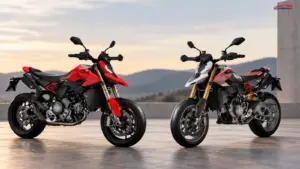



















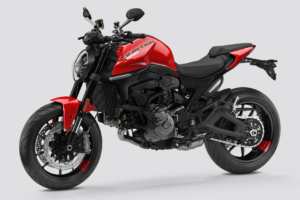





The 2026 Ducati Monster has just gone on sale in India at ₹13.99 lakh ex-showroom, and this isn’t just a routine model-year update. It’s the fifth generation of the Monster nameplate.
Ducati has changed the engine, chassis, weight, and electronics while bringing back a more muscular tank design inspired by the Monster’s earlier generations. If you’ve been eyeing a premium naked motorcycle and the Monster name keeps coming up in conversations, this is the version worth paying attention to.
The previous-generation Monster used a 937cc Testastretta 11° V-twin engine and had been on sale in India for several years. The 2026 model doesn’t just tweak that formula; it replaces the engine altogether, cuts weight, and reworks the chassis around a new twin-cylinder unit borrowed from Ducati’s Panigale V2 platform. That’s a meaningful shift, and it changes how the bike is likely to behave day-to-day, not just what it looks like on a spec sheet.
2026 Ducati Monster Price in India
Ducati has launched the new Monster range starting at ₹13.99 lakh (ex-showroom) for the base Monster in Ducati Red, with the Iceberg White and Sport Livery colours priced at ₹14.23 lakh. The Monster+, which adds a small flyscreen and a passenger seat cowl, starts at ₹14.34 lakh in Ducati Red and goes up to ₹14.45 lakh for Iceberg White and Sport Livery.
These are ex-showroom prices only. Your actual on-road cost will be higher after registration, road tax and insurance, with the final amount varying by state. It’s worth asking your dealer for an exact on-road figure before you commit to anything.
Compared to the outgoing Monster, which was priced at around ₹13.84 lakh ex-showroom in its final form, the new bike isn’t dramatically more expensive. Ducati has managed to bring a new engine, a lighter chassis and a bigger electronics package to the table without pushing the price up by much. That’s unusual for a full model-generation change, and it’s one of the more reassuring things about this launch; buyers aren’t being asked to pay a huge premium just because the bike says “new” on it.
2026 Ducati Monster Variants
There are two variants on offer: the standard Monster and the Monster+.
The regular Monster is the bike in its purest form, no flyscreen, no seat cowl, just the naked silhouette Ducati has built the model’s reputation on. The Monster+ adds a small windscreen up front and a cover for the passenger seat, giving it a slightly sportier, more finished look when ridden solo.
Neither of these changes anything mechanical. The engine, suspension, brakes and electronics are identical across both versions. So the decision really comes down to how much the flyscreen and seat cowl matter to you visually and, to a much smaller extent, whether the flyscreen offers any wind protection at highway speeds, which, given its size, will be minimal rather than meaningful. If you don’t care about the added bodywork, the standard Monster gets you the same riding experience for less money.
Engine & Performance
This is where the real story of the 2026 Monster sits. Ducati has dropped the old 937cc Testastretta 11° engine in favour of a new 890cc V2, the same basic unit found in the Panigale V2 and Multistrada V2. In the Monster, this engine is tuned to produce around 111 PS (110.7 hp) at 9,000 rpm and 91.1 Nm of torque at 7,250 rpm, paired with a 6-speed gearbox and a bi-directional quickshifter.
On paper, that’s a smaller engine putting out roughly similar power to before, but with slightly less peak torque than the old 937cc motor. In practice, that’s not really the point. Ducati says more than 80 percent of the new engine’s peak torque is available anywhere between 4,000 rpm and 10,000 rpm, which is a wide spread.
For a rider, that generally translates into an engine that doesn’t need to be revved hard to feel responsive; you get strong pull from fairly low in the rev range, which should make the bike easier to ride in city traffic without constantly working the gearbox, while still leaving enough performance on tap for a spirited highway run or a weekend twisty road.
The new engine also uses Intake Variable Timing, a technology that adjusts valve timing depending on engine speed and load. Without getting too technical about it, the practical benefit is a broader spread of usable power, smoother low-speed response without sacrificing the top-end character that Ducati V-twins are known for.
One genuinely useful change buried in this engine swap is the valve clearance service interval, which Ducati has extended to 45,000 km. For riders who’ve been put off Ducati ownership by frequent and expensive valve checks, this is a real, tangible benefit rather than a marketing line.
Mileage & Fuel Tank
Ducati has not published an ARAI-certified mileage figure for the Indian-spec 2026 Monster at the time of writing. The only fuel-efficiency figure available comes from European WMTC test-cycle data, which puts consumption at roughly 5.2 litres per 100 km, translating to close to 19 km/l under those specific test conditions. This is not an Indian ARAI number, and real-world mileage in city and highway riding here will depend heavily on how the bike is ridden, traffic conditions, and how often the rev range is used.
The fuel tank holds 14 litres, the same capacity as the outgoing Monster; even though the new tank looks visibly larger and more muscular from the outside, Ducati has reshaped it for style rather than added fuel capacity. The 14-litre tank should be adequate for regular city and weekend riding, although riders planning longer highway trips will need to factor in fuel stops.
Design & Riding Comfort
The 2026 Monster keeps the silhouette recognisable as a Monster; that’s clearly intentional, but almost everything about the execution has been redone. The fuel tank has a broader, more sculpted “bison-back” profile that echoes the very first Monster from 1992, the headlamp is a new full-LED unit with its own DRL signature, and the tail section is slimmer thanks to a new single-piece seat and reworked subframe.
More relevant to actually riding the thing: seat height has come down slightly to 815mm, about 5mm lower than before. Ducati also offers an accessory lower seat and a suspension-lowering kit, which combined can bring seat height down to around 775mm, which could be useful for shorter riders who have found Ducati naked bikes intimidating to plant their feet on in the past.
The handlebar position has also been moved slightly higher and further forward compared to the outgoing bike, and the seat itself is narrower at the front. Together, these changes should make the reach to the bars less aggressive and the seating position a touch more relaxed for city use, without turning the Monster into something sedate. Ducati has also added textured side panels below the tank that are meant to give the rider something to brace against under hard braking, a small but sensible touch for anyone who rides the bike with any intent.
Overall claimed weight is 175 kg without fuel, about 4 kg lighter than the outgoing Monster. That’s not a dramatic drop in isolation, but combined with the redesigned chassis, it should make a noticeable difference to how eager the bike feels to change direction, particularly in city traffic or a set of tight corners.
Features & Technology
The 2026 Monster comes with a six-axis Inertial Measurement Unit (IMU), which is the sensor package that allows the bike to understand lean angle and acceleration in real time. This underpins several of the electronic aids on offer:
Cornering ABS adjusts braking intervention based on lean angle, so the front brake behaves more predictably if you need to brake hard while leaned over, a genuinely useful safety net rather than a marketing checkbox.
Ducati Traction Control (DTC), offered across eight levels, limits wheelspin on the rear wheel, particularly relevant on wet roads or when you’re on the throttle harder than the road surface can handle.
Ducati Wheelie Control (DWC), with four levels, keeps the front wheel in check under hard acceleration, more relevant to spirited riding than daily commuting, but useful to have as a safety layer regardless.
Engine Brake Control (EBC), across three levels, smooths out how aggressively the engine slows the bike down when you shut the throttle, which matters for stability when downshifting into a corner.
There are four riding modes: Sport, Road, Urban and Wet, each with its own power delivery and preset electronic intervention, though all settings can be adjusted individually if you want to mix and match. For someone new to a bike with this much electronic control, the presets are genuinely usable out of the box; you don’t need to understand every setting to ride the bike safely and comfortably.
All of this is managed through a new 5-inch TFT display with 800×400 resolution, a clear step up from the smaller, lower-resolution screen on the outgoing model. It supports Ducati’s multimedia connectivity and turn-by-turn navigation, and the hardware for cruise control is built in as well. For everyday use, the bigger, sharper screen makes it easier to read riding mode and trip information at a glance, which matters more than it sounds like on a bike you might be riding through heavy Indian traffic.
Suspension, Brakes & Handling
Suspension duties are handled by Showa: a 43mm upside-down fork at the front (non-adjustable) and a preload-adjustable monoshock at the rear. This isn’t top-shelf, fully adjustable suspension;n, Ducati has kept things simpler here, which suits a bike aimed at real-world street use rather than track riding.
Braking comes from Brembo’s M4.32 radial calipers gripping twin 320mm front discs, a setup essentially carried over from the previous Monster and one that has a strong reputation for stopping power and feel. Tyres are Pirelli Diablo Rosso IV, sized 120/70 at the front and 180/55 at the rear, a road-biased sport tyre that should offer confident grip in dry conditions and reasonably good wet-weather manageability, though Indian monsoon riding always calls for extra caution regardless of tyre quality.
The chassis itself is a lightweight aluminium monocoque, with the frame bolted directly to the cylinder heads and the engine acting as a stressed structural member, the same basic philosophy Ducati uses on the Panigale range. A new double-sided swingarm, inspired by the Panigale V4, replaces the single-sided design of before.
On paper, the lower weight and reworked chassis should make the 2026 Monster feel easier to flick from side to side, particularly at low-to-moderate speeds where the mass reduction is most noticeable to a rider. The specifications suggest a bike aimed at riders who enjoy an engaging experience in city traffic and on twisty roads, rather than one chasing outright top-speed numbers. It’s not intended to compete with a full-on sportbike, and Ducati doesn’t seem to be positioning it as one.
2026 Ducati Monster vs Previous Monster: What’s Actually Changed?
The single biggest change is the engine. The old 937cc Testastretta 11° has been replaced entirely by the new 890cc V2, and while outright peak numbers are broadly similar, the way power is delivered, spread wider across the rev range,e is meant to make the bike easier to use without giving up performance.
Weight is down by a claimed 4 kg, which isn’t a huge number by itself, but paired with the new chassis, it should add up to a bike that feels noticeably lighter to manage at a standstill and at low speeds, which matters more in day-to-day riding than most spec-sheet numbers do.
The electronics package has moved forward meaningfully;y, the old Monster’s 4.2-inch TFT and simpler rider aids give way to a bigger 5-inch display, an updated 6-axis IMU electronics suite, and more granular control over traction, wheelie, and engine-brake settings.
Design-wise, the new Monster keeps its identity but revisits the muscular tank shape of earlier generations rather than continuing the sleeker, more angular look of the model it replaces. Seat height has dropped slightly, the handlebar position has shifted, and the valve-service interval has more than doubled compared to typical maintenance schedules on the outgoing platform.
For someone who already owns or has ridden the previous Monster, the changes go well beyond the cosmetic differences, with a new engine, lighter chassis and updated electronics underneath the familiar design.
What Buyers Should Know Before Buying the Ducati Monster
At ₹13.99 lakh and up (ex-showroom), this remains firmly a premium motorcycle purchase, and the on-road price will push meaningfully higher once you factor in registration, road tax and insurance.
Performance-wise, 111 PS and 91.1 Nm in a sub-180kg motorcycle is a serious amount of go for anyone stepping up from a mainstream 300-650cc bike. The electronics package can also help riders manage the bike’s performance more predictably, particularly in different riding conditions.
On maintenance, Ducati is offering two prepaid service packages alongside the bike: Ducati Protect (+) at ₹30,999, covering two years or 15,000 km, and Ducati Protect Pro at ₹54,999, covering four years or 30,000 km. Both cover scheduled parts and labour at authorised Ducati dealerships, but items like brake pads, clutch plates and tyres are excluded and billed separately. This is worth factoring into your total cost of ownership rather than assuming the ex-showroom price is the end of the story.
Ducati’s service network in India remains limited largely to major metro cities, so if you’re based in a smaller city or town, it’s worth checking distance to the nearest authorised service centre before buying; this affects both convenience and, potentially, resale value down the line. Reliable data on long-term ownership costs and resale value for this specific new-generation model isn’t available yet, since it has only just launched; anyone buying now is effectively an early adopter of this platform in India.
Ducati Monster 2026 vs Rivals
Two bikes worth cross-shopping against the Monster in India are the Kawasaki Z900 and the Triumph Street Triple 765.
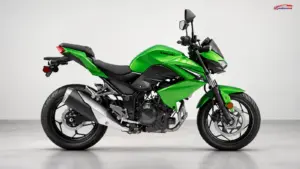
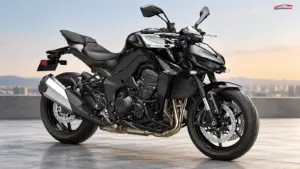
The Kawasaki Z900 is priced meaningfully lower, starting at around ₹9.99-11 lakh ex-showroom depending on the city, and brings a bigger 948cc inline-four engine making around 125 PS. It’s a heavier bike at roughly 212 kg kerb weight, and its electronics package is simpler than the Monster’s. For buyers who want strong outright performance and don’t need Ducati’s electronics sophistication or badge, the Z900 makes a strong practical case.
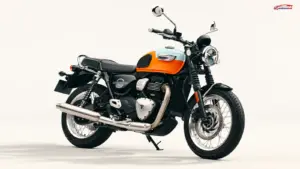
The Triumph Street Triple 765, priced from around ₹10.86-12 lakh ex-showroom for the entry variant (with the higher RS trim going well past that), offers a characterful three-cylinder engine and a reputation for sharp, precise handling that’s earned it plenty of loyal owners. It sits closer to the Monster on outright performance and rider-focused engineering, though the Ducati brings a more distinctive design and, arguably, a stronger emotional pull for buyers who specifically want the Monster name.
The Monster brings a different combination of lower weight, electronics and premium positioning, while both rivals make a stronger case on price. If your budget is flexible and you’re choosing primarily on riding experience and badge appeal, the Monster holds its own. If price-per-horsepower or outright engine capacity is the deciding factor, the Z900 or Street Triple are worth a serious look before you sign on the Monster.
Who Should Consider the 2026 Ducati Monster?
This bike makes the most sense for riders who are already comfortable on a mid-capacity motorcycle and are looking to move into premium naked-bike territory, particularly if they value electronics, build quality and brand experience alongside outright performance. It also suits riders who want a bike that can genuinely be used for regular city and highway riding rather than something reserved for weekend outings only; the lower seat height, revised ergonomics and wider torque spread all point toward everyday usability.
It’s a less obvious choice for someone buying their very first big motorcycle, given the price and the performance on tap, and it’s not the right pick for anyone prioritising long-distance touring comfort or maximum fuel range, where the 14-litre tank and sportier riding position are limiting factors. Buyers chasing outright horsepower numbers per rupee spent will also find better value elsewhere, as covered above.
Final Verdict
The 2026 Ducati Monster earns its “fifth-generation” tag rather than just borrowing the term for marketing purposes. Ducati has replaced the engine, trimmed weight, reworked the chassis, and brought the electronics suite meaningfully up to date, all while keeping the price increase over the outgoing model modest. The new 890cc V2 doesn’t chase bigger numbers than before; it spreads its performance more usefully across the rev range, which should genuinely help riders who use the bike in real conditions rather than only on a racetrack.
What buyers get for their ₹13.99 lakh-plus is a lighter, more electronically sophisticated Monster with a longer service interval, a sharper display, and a design that leans into the model’s own history rather than away from it. What you don’t get is class-leading outright power, fully adjustable suspension, or a service network that reaches every corner of the country, and the on-road price, once you add registration and insurance, is a serious commitment.
For a rider who’s set on the Monster name and wants the newest version of it, on paper this is a substantial step forward from the motorcycle it replaces, rather than just a cosmetic refresh. For a rider shopping purely on numbers or convenience, the Z900 or Street Triple deserve a test ride before you decide. Either way, the 2026 Ducati Monster is worth considering seriously if you’re in the market for a premium naked motorcycle; just go in knowing exactly what you’re paying for and what you’re not.

FAQs
Is the 2026 Ducati Monster a new-generation model?
Yes. The 2026 Ducati Monster is the fifth generation of the model, with a new 890cc V2 engine, revised chassis, lower weight and updated electronics compared with the previous 937cc version.
What is the price of the 2026 Ducati Monster in India?
The 2026 Ducati Monster starts at ₹13.99 lakh (ex-showroom) in Ducati Red, going up to ₹14.23 lakh for other colours. The Monster+ starts at ₹14.34 lakh and goes up to ₹14.45 lakh, ex-showroom, depending on colour.
What engine does the 2026 Ducati Monster use?
It uses a new 890cc liquid-cooled V2 engine, replacing the older 937cc Testastretta 11° unit. It produces around 111 PS at 9,000 rpm and 91.1 Nm of torque at 7,250 rpm.
Is the 2026 Ducati Monster heavier or lighter than the previous model?
It's lighter. Ducati claims a weight of 175 kg without fuel, about 4 kg less than the outgoing Monster, thanks to a revised chassis, swingarm and other components.
What is the difference between the Monster and Monster+ variants?
The Monster+ adds a small flyscreen and a passenger seat cowl over the standard Monster. Mechanically, both variants are identical: same engine, suspension, brakes and electronics.